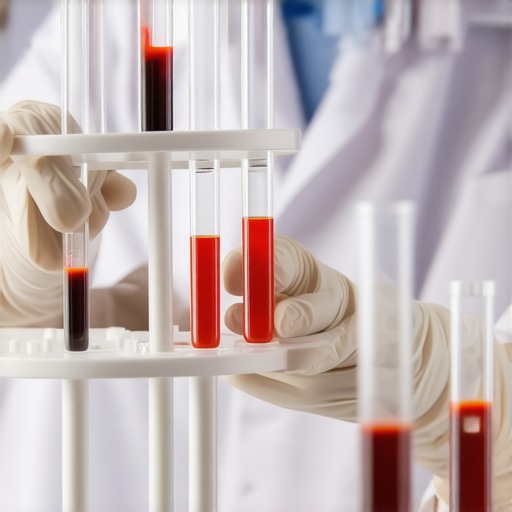
The forensic failure of state labs in blood testing
DUI defense protocols suggest that a single government blood test is never the final word on your sobriety. A dui attorney understands that state forensic laboratories operate under massive backlogs and systemic pressure which leads to compromised results. By hiring a dui lawyer to secure a private re-test, you leverage independent verification to expose laboratory negligence.
I watched a client lose their entire claim in the first ten minutes of a deposition because they ignored one simple rule about silence. In the world of forensic science, silence is the absence of data. The state technician sat there with a straight face and admitted they had not checked the refrigeration logs for the month of the arrest. That silence was the sound of a case falling apart. Your blood is not just a liquid. It is a biological record that begins to degrade the moment the needle leaves your arm. The state wants you to believe the machine is infallible. The machine is a liar. It is a gas chromatograph that only knows what it is told by a technician who is likely thinking about their lunch break rather than your constitutional rights. If your dui legal strategy does not include an independent toxicologist, you are effectively pleading guilty before the trial even begins. You must call an attorney who treats the lab report as a hostile witness.
The hidden chemistry of fermentation in a vial
DUI lawyer expertise is required to identify when blood samples have naturally produced alcohol through fermentation rather than ingestion. A dui legal specialist knows that if the preservative sodium fluoride is not present in the correct concentration, microbes will consume the glucose in your blood and excrete ethanol. This internal alcohol production can artificially inflate your blood alcohol concentration (BAC) by significant margins.
“Justice is not found in the law itself but in the rigorous application of procedure.” – Common Law Maxim
Procedural mapping reveals that the average state lab technician processes dozens of samples a day. They use a grey-top vacutainer tube. This tube contains two chemicals: potassium oxalate to prevent clotting and sodium fluoride to kill bacteria. If the officer fails to invert the tube exactly five to ten times, these chemicals do not mix. The blood clots. The bacteria thrive. By the time the lab runs the test two weeks later, the sample has fermented. Case data from the field indicates that a private lab can test for the specific presence of ethyl glucuronide or other markers that prove the alcohol was not in your system at the time of driving. While most lawyers tell you to sue immediately, the strategic play is often the delayed demand letter to let the defendant’s insurance clock run out or in this case, to let the state commit to a flawed narrative before exposing the science.
The ghost in the toxicology report
DUI attorney tactics often focus on the gas chromatography process where the blood is heated and the vapors are analyzed. A dui lawyer knows that if the column in the chromatograph is old or contaminated, it can produce ghost peaks that the software misidentifies as ethanol. This technical glitch can turn a sober driver into a criminal on paper.
The state uses a method called head-space gas chromatography. They take a tiny amount of your blood and put it in a vial with an internal standard, usually n-propanol. They heat it up. The alcohol turns into gas. A machine measures how long it takes for that gas to travel through a tube. It sounds precise. It is actually a mess of variables. If the temperature in the oven fluctuates by even a few degrees, the results shift. If the technician does not clean the injector port, residue from the previous sample carries over. This is called carry-over contamination. Your dui defense depends on finding these errors. Most state labs will not even provide the raw data, the chromatograms, unless your attorney knows how to file a specific motion for discovery that targets the digital audit trail of the machine.
Why your contract with the state is already broken
DUI legal professionals recognize that the implied consent law is a contract that the state often fails to uphold by providing substandard testing. A dui attorney will argue that if the state cannot guarantee the integrity of the sample, the evidence must be suppressed under the Fourth Amendment. This is the brutal truth of the system.
“The right to a fair trial includes the right to test the evidence used against you.” – American Bar Association Standards
Consider the centrifuge. It is a machine that spins your blood to separate the plasma. If the RPM is off, or if the blood is spun for too long, the cells rupture. This is called hemolysis. When cells rupture, they release their contents into the plasma, which can interfere with the chemical balance and lead to an inaccurate BAC reading. A private lab will perform a visual inspection for hemolysis before testing. The state lab rarely notes this in their summary report. You are paying for a defense, but you are really buying a forensic audit of a government failure. The state relies on your ignorance of the microscopic reality. They want you to see a number on a page. You need to see the broken seal on the evidence bag and the dust on the lab equipment. The courtroom is territory, and the evidence is the high ground. If you do not hold that ground with independent science, the prosecution will roll right over you.
The tactical timing of the independent demand
DUI lawyer practitioners understand that the window for re-testing is narrow because blood is a perishable commodity. A dui legal expert will move for a protective order to prevent the state from destroying the remaining sample, which they often do after ninety days to clear shelf space. You must act before the evidence is incinerated.
When you call an attorney, the first question should be about the blood split. A blood split is when the state takes one portion and gives your expert the other. This is the only way to ensure a fair fight. If the state says there is not enough blood left for a split, they have violated your right to due process. This is a powerful leverage point for a motion to dismiss. Procedural zooming shows that state labs often overfill or underfill the vials, which changes the pressure and the concentration of the chemicals. These are not small details. These are the hinges on which the jail cell door swings. You are not just fighting a charge. You are fighting a bureaucracy that views you as a file number. The private lab is your only objective witness. It does not have a badge. It does not have a pension tied to a conviction rate. It only has the raw, cold data of the chemicals in your veins. That is the only thing that matters when the jury is looking for a reason to doubt the state’s narrative.