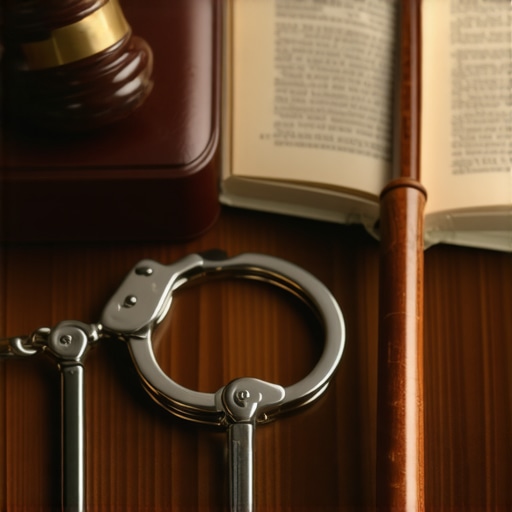
The room smells like ozone and mint, a sterile scent that masks the underlying tension of a precinct interrogation room. I have sat in these chairs for twenty-five years, watching the machinery of the state attempt to grind down the individual. I watched a client lose their entire freedom in the first ten minutes of an interrogation because they ignored one simple rule about silence. They thought they could talk their way out of a DUI. They thought the officer was a friend. They were wrong. The law is not a conversation; it is a tactical landscape where every word is a landmine. When you are arrested, you do not lose your identity as a citizen. You become a defendant, and a defendant’s only job is to survive the process through the rigorous application of constitutional protections.
The immediate silence of a strategic defense
The absolute right to remain silent is the most powerful tool in your dui defense arsenal. When you call an attorney, you are not admitting guilt; you are invoking a procedural shield that prevents the prosecution from using your own words as the primary evidence against you in a court of law. Most people fail this test. They feel the psychological pressure of the silence. They want to fill the air. The officer knows this. They use silence as a weapon. Your counter-weapon is the Fifth Amendment. This is not a suggestion. It is a barrier. If the police continue to question you after you have clearly invoked this right, every subsequent statement becomes fruit of the poisonous tree. A skilled dui lawyer will move to suppress those statements, often gutting the prosecution’s case before it even reaches a jury. The goal is to create a vacuum of evidence. No admissions. No explanations. No apologies. Just the cold, hard silence of a strategic defense. We analyze the exact timing of the Miranda warning. If the warning was given after the interrogation began, we have a procedural opening. We look for the micro-expressions of the officer during the recording. We look for the moment they ignored your request for counsel. That is where cases are won.
“Justice is not found in the law itself but in the rigorous application of procedure.” – Common Law Maxim
Constitutional barriers between you and the precinct wall
Your Fourth Amendment rights protect against unreasonable searches during a DUI stop and subsequent arrest. A dui attorney looks for the initial point of contact to determine if the officer had reasonable suspicion to pull you over. Without it, the entire arrest is invalid. Case data from the field indicates that officers frequently overstep their bounds during the roadside phase. They rely on your compliance. They assume you do not know that you can refuse a search of your vehicle in many circumstances. We look at the GPS data. We look at the dashcam footage. We measure the distance between the alleged traffic violation and the stop. If the officer claimed you swerved but the video shows a straight line, the probable cause evaporates. The law requires a specific sequence of events to occur for an arrest to be valid. Any deviation from this sequence is a fracture in their case. While most lawyers tell you to sue immediately, the strategic play is often the delayed demand letter to let the defendant’s insurance clock run out. We wait for the state to commit to their narrative. Then we dismantle it. We examine the calibration logs of the breathalyzer. These machines are not infallible. They are complex instruments prone to error if not maintained with surgical precision. If the log shows a missed service date, the blood alcohol concentration data becomes inadmissible.
The fiction of the helpful arresting officer
Police utilize rapport to elicit admissions that a dui lawyer cannot later suppress in a trial. The officer may tell you that things will go easier if you cooperate. This is a tactical lie. The officer has no power to reduce your charges or influence the prosecutor’s decision at the precinct level. Their only goal is to build a solid file for the District Attorney. Information gain in these scenarios usually favors the state. For instance, while you might think explaining your two drinks at dinner shows you are responsible, it actually provides the state with an admission of consumption. A dui legal expert will tell you that the only thing you should say is that you want to speak with your lawyer. This ends the rapport building. It shifts the power dynamic. The officer is no longer the authority figure; they are a government agent who must now follow strict protocols. We investigate the officer’s history. We look for patterns of procedural shortcuts. Some officers have a reputation for “embellishing” the results of field sobriety tests. They might note a lack of balance that the video does not support. We bring in forensic experts to testify on the physiological factors that can cause a false positive on a breath test, such as acid reflux or ketogenic diets. The reality of the verdict is often decided in these microscopic details.
“The right to counsel is the right to a fair trial.” – American Bar Association
Procedural leverage in the wake of a DUI charge
Challenging the calibration of the breathalyzer is a core dui defense tactic that requires forensic expertise. The state relies on the assumption that the machine is a truth-teller. It is not. It is a chemical sensor that can be fooled. Procedural mapping reveals that the chain of custody for blood samples is often the weakest link in the prosecution’s chain. If a vial of blood sat on a desk for three hours before being refrigerated, the fermentation process can artificially inflate the alcohol content. We demand the laboratory logs. We demand the qualifications of the technician who performed the analysis. We look for the “bleed” in the prosecution’s resources. If we can make the case expensive and difficult for them to prove, they are more likely to offer a significant reduction or a dismissal. This is the ROI of aggressive litigation. It is about making the state work for every inch of ground. We do not accept the summary of the evidence provided by the police. We conduct our own investigation. We interview witnesses. We examine the road conditions. We look for environmental factors like glare or poor signage that might have contributed to the perceived impairment. Every piece of data is a potential motion to dismiss.
The discovery phase as a forensic weapon
Demanding the dashcam footage is a legal right that exposes procedural errors during the arrest process. Discovery is not just a pile of papers; it is the roadmap to your defense. A call an attorney request ensures that someone with an eye for detail is looking at the metadata of the evidence. We look for the gaps in the video. We look for the audio that was mysteriously cut off. These are the red flags of a compromised arrest. The prosecution has a duty to disclose exculpatory evidence. If they withhold a piece of information that could prove your innocence, it is a violation of the Brady rule. We push for everything. The officer’s personnel file, the maintenance records of the patrol car, the radio dispatch logs. Often, the dispatch logs will reveal a different reason for the stop than what was written in the final report. This inconsistency is the wedge we use to pry the case apart. Litigation is a game of leverage. We find the pressure points and we apply force. We do not settle because it is easy. We settle only when the state admits their evidence is flawed. The courtroom is a territory, and we occupy it with the facts that the police tried to ignore. The truth is often found in the margins of the police report, in the details they thought were too small to matter.
[{“@context”:”https://schema.org”,”@type”:”Article”,”headline”:”The Legal Rights You Retain Even After an Arrest”,”author”:{“@type”:”Person”,”name”:”Senior Trial Attorney”},”description”:”A deep dive into the constitutional protections and legal strategies available after a DUI arrest, focusing on procedural leverage and rights retention.”,”articleSection”:”Legal Defense”}]