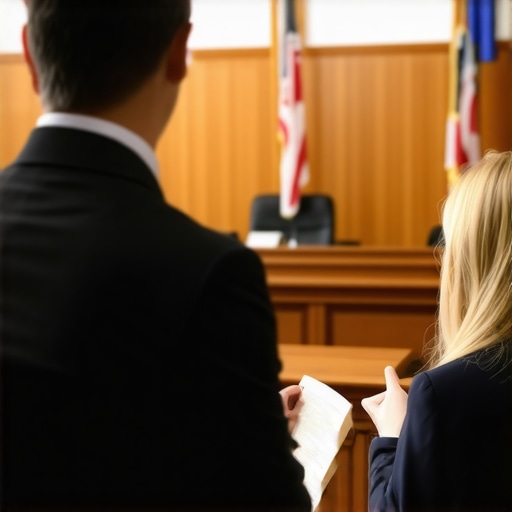
The office smells like burnt coffee and the heavy weight of an impending deadline. You are sitting across from a man in a crisp suit who keeps glancing at his watch. He talks about quick resolutions and minimizing risk. He never mentions a jury. This is the moment you should realize your legal future is being traded for a fast exit. I watched a client lose their entire claim in the first ten minutes of a deposition because they ignored one simple rule about silence. They thought the lawyer would protect them, but the lawyer was already thinking about his next client. If your DUI attorney is more interested in the prosecutor’s schedule than the calibration logs of the breathalyzer, you are not being defended. You are being processed.
The red flags during your initial legal consultation
DUI legal defense requires a representative who immediately discusses evidence suppression and trial schedules rather than plea bargains. A lawyer who only takes plea deals will focus on the mercy of the court instead of the errors in police procedure. Look for a lack of recent trial experience and a refusal to discuss litigation costs.
When you call an attorney, the conversation usually follows a predictable pattern. The settlement mill lawyer will emphasize his relationship with the prosecutor. He might say he can get you a good deal because he knows the judge. In the world of high stakes litigation, this is code for he has no intention of ever picking a jury. A real trial attorney smells like caffeine and focus. They look for the procedural fracture. They want to know the exact time the officer last calibrated the Intoxilyzer 8000. They ask about the specific phrasing of the implied consent warning. If the lawyer avoids these microscopic details, they are preparing to fold. The economics of a settlement mill rely on volume. They need to move forty cases a month to keep the lights on. They cannot afford to spend three days in a courtroom fighting for your rights because that destroys their profit margin.
“Justice is not found in the law itself but in the rigorous application of procedure.” – Common Law Maxim
The economics of the high volume settlement mill
A DUI defense lawyer focused on volume prioritizes rapid turnover to maintain high revenue. These firms avoid the courtroom because litigation is resource heavy and unpredictable. They often pressure clients to accept the first offer from the prosecution to clear their docket for new paying files.
The brutal truth is that many firms are built on a foundation of quick surrenders. A DUI attorney who refuses to litigate is essentially a glorified paper pusher. They take your retainer, make three phone calls, and tell you that the plea deal on the table is the best you can hope for. Procedural mapping reveals that the most effective leverage in a criminal case is the credible threat of a trial. If the prosecutor knows your lawyer never goes to verdict, the prosecutor has zero incentive to offer a favorable deal. Why would they? They know they can wait you out. While most lawyers tell you to sue immediately or settle fast, the strategic play is often the delayed demand letter or the aggressive motion to suppress. This forces the state to actually work the case. When the state has to work, they make mistakes. When they make mistakes, your case improves.
The tactical reality of a suppressed evidence motion
Successful DUI defense hinges on the microscopic examination of the arrest record and the technical maintenance of chemical testing equipment. Attorneys who avoid trial often ignore these details because they do not intend to argue them before a judge. Challenging the reasonable suspicion for the initial stop is the primary weapon.
Case data from the field indicates that a significant percentage of arrests have underlying constitutional flaws. Perhaps the officer lacked a specific, articulable reason to pull you over. Maybe the field sobriety tests were conducted on an uneven surface or in heavy wind. A trial lawyer views these not as minor gripes but as fatal blows to the prosecution’s case. The plea-only lawyer will gloss over the fact that the officer didn’t observe you for twenty minutes before the breath test. They will ignore the fact that the blood draw was performed by an uncertified technician. They want you to sign the paper. They want the fee. They want you out of the door. A strategist knows that the courtroom is territory. You do not cede territory without a fight.
“The lawyer’s highest duty is to ensure that the machinery of the state does not grind the individual into dust without a total adherence to the rules of engagement.” – Legal Standards Board Review
The questions that reveal a lawyer’s true intentions
To identify a lawyer who avoids the courtroom, ask for their specific trial record from the last twelve months. Inquire about their strategy for a motion to suppress evidence and what happens if the prosecution refuses to budge. A litigator will have a clear, aggressive path forward that does not include immediate surrender.
Ask the DUI lawyer how many times they have cross-examined the specific arresting officer in your case. Ask them about the latest software update for the breath testing device used in your county. If they look confused or dismissive, you are in the wrong office. A trial attorney is a skeptic. They do not trust the police report. They do not trust the labs. They only trust the evidence they can verify through discovery. The prosecutor knows who the fighters are. When a known trial dog enters the room, the tone of the negotiation shifts. The offers get better because the state does not want to spend two days losing a trial in front of a jury. The plea-only lawyer is a known quantity. The state treats them with polite contempt and offers them the standard, mediocre deals. You deserve more than a standard deal. You deserve a defense that actually defends. Stop looking for a friend in the court and start looking for a strategist who views the law as a game of leverage. The choice of your legal representative is the single most important decision you will make. Do not choose the man who is already looking for the exit before the fight has even started.