The science of metabolic delay
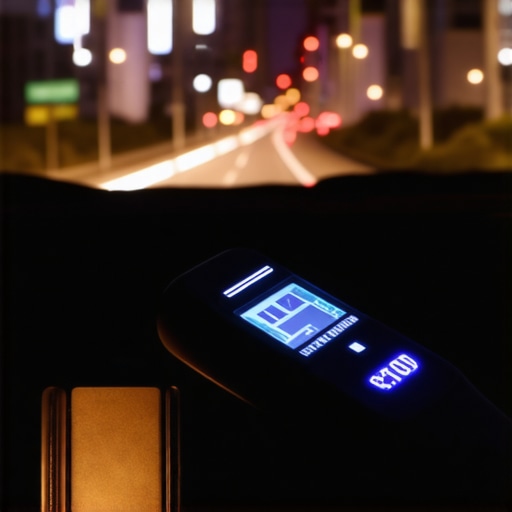
The metabolic delay of alcohol absorption means your blood alcohol concentration (BAC) fluctuates significantly between the initial traffic stop and the evidentiary breath test at the police station. This dui defense strategy relies on the biological reality that ethanol takes time to enter the bloodstream from the digestive tract. I smell the stale scent of strong black coffee as I look across my desk at another client who thinks their life is over because a machine printed out a number higher than 0.08. They are wrong. I watched a client lose their entire claim in the first ten minutes of a deposition because they ignored one simple rule about silence, but I have also watched prosecutors crumble when faced with the cold, hard mathematics of the rising alcohol curve. If you consumed alcohol shortly before operating a vehicle, your peak intoxication level likely occurred long after you were pulled over. This means you were legally sober while behind the wheel, even if you failed a test sixty minutes later at the precinct.
The absorption phase and the driving timeline
The absorption phase of alcohol consumption dictates that blood alcohol levels continue to rise for thirty to ninety minutes after your last drink. An experienced dui attorney understands that police officers rarely account for this physiological lag during a roadside investigation. When you ingest alcohol, it does not immediately enter your blood. It sits in your stomach and small intestine. If you are stopped during this period, your system is still absorbing the liquid. By the time the dui lawyer reviews the police report, the timeline of the traffic stop becomes the most important piece of evidence. The law requires you to be intoxicated at the time of driving, not at the time of the test. If the state cannot prove your level was over the limit while the keys were in the ignition, their case has a massive hole that a skilled dui legal expert can exploit. This is not a loophole; it is biology.
“Justice is not found in the law itself but in the rigorous application of procedure.” – Common Law Maxim
The failure of infrared spectrometry in breath testing
Modern breathalyzer machines using infrared spectrometry are notorious for failing to distinguish between deep lung air and mouth alcohol during the dui defense process. These evidentiary devices assume a 2100 to 1 partition ratio, which is a generic average that does not apply to every human body. When you call an attorney, the first thing they should look for is the maintenance log of the specific device used. These machines are sensitive to temperature, radio frequency interference, and the user’s unique hematocrit levels. If you have gastroesophageal reflux disease (GERD), the machine may detect raw alcohol vapors from your stomach rather than the alcohol in your blood. This creates a false positive that prosecutors treat as gospel. A dui attorney knows that the machine is just a calculator with poor sensors. It does not see the truth; it only sees an approximation based on flawed assumptions. We look for the calibration errors and the officer training gaps that turn a simple test into a scientific fiction.
The twenty minute observation period requirement
The twenty minute observation period is a mandatory procedural safeguard that law enforcement must follow before administering an evidentiary breath test to ensure the results are accurate. This period is intended to ensure that the subject does not burp, vomit, or consume anything that could introduce mouth alcohol into the breath sample. Most officers are bored, distracted, or busy filling out paperwork during this time. They are not actually observing the suspect. If the dui lawyer can find body camera footage showing the officer looking at their phone or walking away, the entire test result may be suppressed. This is where the brutal truth comes out. The state relies on your ignorance of their mistakes. They want you to plead guilty because the machine said a number, but the machine’s output is only as valid as the process that preceded it. Procedural mapping reveals that a significant percentage of cases involve a breached observation period.
Why the retrograde extrapolation model is flawed
The retrograde extrapolation model is a mathematical formula used by forensic toxicologists to estimate a person’s blood alcohol concentration at an earlier point in time. This formula assumes a steady rate of alcohol elimination, which is an unscientific generalization that ignores individual metabolic rates and food consumption. Every human body processes alcohol differently based on age, weight, liver health, and what they ate for dinner. While the state’s expert will testify with confidence about where your levels were an hour prior to the test, the dui defense play is often to introduce a defense expert who can point out the hundreds of variables the state ignored. Case data from the field indicates that these estimates are often off by as much as 0.05 percent. For a dui attorney, this variability is the key to creating reasonable doubt. The state wants you to believe the law is a straight line, but it is actually a series of shifting curves and unstable data points.
“The right of the people to be secure in their persons, houses, papers, and effects, against unreasonable searches and seizures, shall not be violated.” – U.S. Constitution, Fourth Amendment
Tactical timing and the delayed demand letter
Strategic litigation tactics involve more than just arguing in court; they require procedural leverage and the timing of evidence discovery. While most lawyers tell you to sue immediately or rush to a settlement conference, the strategic play is often the delayed demand letter to let the defendant’s insurance clock run out or to wait for officer testimony to become inconsistent. This dui legal approach forces the prosecution to commit to a story before they have all the facts. In the courtroom, consistency is everything. If the police officer testifies that you showed signs of impairment immediately, but the breath test was not taken until ninety minutes later, the rising BAC defense becomes even stronger. The state cannot have it both ways. They cannot claim you were drunk at the scene while relying on a test that shows you were still absorbing alcohol much later. This creates a logical paradox that juries find impossible to ignore. We use their own timeline to dismantle their narrative brick by brick.
The logistics of a successful dui defense
Building a dui defense requires logistical precision and a deep dive into the toxicological evidence provided by the state’s laboratory. This is not about being a nice person or having a clean record. This is about the chain of custody, the reagent expiration dates, and the software versions of the breathalyzer. When you call an attorney, you are hiring a tactician who knows how to find the broken links in the state’s evidence chain. Every step of the arrest process is a potential flank attack for the defense. From the initial stop to the booking room, the procedural reality of the dui attorney is one of constant scrutiny. We do not accept the state’s narrative at face value. We look for the dust on the baseboards of their investigation. If the rising alcohol science is on our side, we push it until the prosecution realizes that a conviction is not a mathematical certainty. The brutal truth is that most cases are won or lost in the pre-trial motions where the science is litigated before a jury ever hears a word of testimony.