The chemistry of a wrongful arrest
I watched a client lose their entire claim in the first ten minutes of a deposition because they ignored one simple rule about silence. They thought that by explaining their medical history, they were helping. Instead, they handed the prosecution a roadmap to their own conviction. In the world of DUI defense, your honesty is often your greatest liability. If you are taking medication and you blow into a roadside device, you are not just testing for booze. You are testing for every chemical compound currently circulating in your bloodstream that the machine is too stupid to differentiate. This is the brutal reality of the legal system. It is a machine that prioritizes procedural efficiency over the nuances of your biology.
The chemistry of a wrongful arrest
Prescription medications can lead to false positive breathalyzer results by introducing interfering substances into the alveolar air. These chemical compounds mimic ethanol molecules, causing the infrared spectroscopy or fuel cell sensor to miscalculate your blood alcohol content level incorrectly during a DUI stop. Case data from the field indicates that the average officer has zero training in pharmacokinetics. They see a number on a screen and they cuff you. They do not care if that number was generated by a craft beer or your morning dose of Advair. Procedural mapping reveals that the initial arrest is often based on a machine’s inability to distinguish between methyl groups. If you find yourself in this situation, you must call an attorney immediately. The longer you wait, the more time the state has to solidify their narrative.
The fuel cell sensors used in many roadside devices are particularly prone to error. These sensors work through a chemical reaction where alcohol is oxidized, creating an electrical current. The problem is that other substances can oxidize too. This is not a precision instrument. It is a blunt force tool used to justify a trip to the station. If you have been charged, your dui lawyer needs to look at the maintenance logs of that specific device. Most are calibrated poorly. Some are not calibrated at all. The state counts on you not asking these questions. They count on your dui legal team being lazy. I am never lazy. I look for the rust in the gears of their evidence.
“The court must ensure that any and all scientific testimony or evidence admitted is not only relevant, but reliable.” – Daubert v. Merrell Dow Pharmaceuticals, Inc.
Why your asthma inhaler looks like a double whiskey
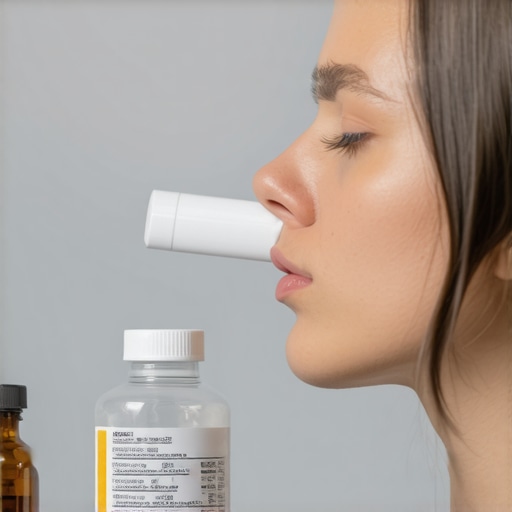
Asthma inhalers and nebulizers contain bronchodilators and propellants that create mouth alcohol concentrations that the breathalyzer misinterprets as systemic intoxication. These aerosolized medications linger in the oral cavity, causing a spike in the breath test results that does not reflect actual blood alcohol concentration. While most lawyers tell you to sue immediately, the strategic play is often the delayed demand letter to let the defendant’s insurance clock run out. This allows for a deeper investigation into the specific lot number of the medication you used. Albuterol is a common culprit. It contains compounds that can easily fool a low end fuel cell sensor. The officer will say they observed the twenty minute waiting period. They usually lie. They are in a hurry to get back to their patrol or finish their shift. This is where the dui attorney finds the leverage.
We have seen cases where a single puff of an inhaler ten minutes before a stop resulted in a 0.05 reading in a person who had not touched a drop of alcohol in years. Add one glass of wine to that, and you are over the legal limit. The machine cannot tell the difference between the wine and the medicine. It just adds them together in a digital lie. This is why you never perform field sobriety tests. You do not win those. They are designed for you to fail. They are subjective theater. You need a dui attorney who knows how to deconstruct that theater and show the jury the scripts the officers are following.
The hidden danger in common heartburn medication
Gastroesophageal Reflux Disease or GERD allows stomach acid and undigested alcohol or fermented gases to rise into the esophagus and mouth. This physiological condition creates an inflated breathalyzer reading because the breath test measures gastric vapors instead of deep lung air. Procedural mapping reveals that many officers fail to screen for medical conditions that invalidate the deprivation period. This is a massive opening for a dui defense. If you have a prescription for Prilosec or Nexium, your medical records are the most important evidence in your case. They prove that your body is a walking false positive generator. The machine expects your breath to come from the bottom of your lungs. GERD ensures it comes from your stomach. The difference is the difference between a dismissal and a conviction.
The legal system is a game of margins. If we can prove that the air sample was contaminated by gastric reflux, the entire test is inadmissible. I have sat in depositions where the arresting officer could not even define what GERD was, yet they felt qualified to testify that the breath sample was valid. This is the arrogance of the prosecution. They rely on the machine’s perceived infallibility. My job is to break that perception. I don’t care about the officer’s feelings. I care about the data. If the data is corrupted by your medication or your medical condition, the case is built on sand.
“Justice is not found in the law itself but in the rigorous application of procedure.” – Common Law Maxim
How diabetes creates alcohol in your lungs
Diabetic ketoacidosis causes the body to produce isopropyl alcohol as a metabolic byproduct of fat breakdown. This endogenous ethanol is chemically similar to ethyl alcohol, leading the breathalyzer to report a false high blood alcohol content. A dui lawyer must use medical expert testimony to explain how acetone in the breath is misidentified by infrared sensors. This is a biological fact that the police prefer to ignore. They want simple cases. They want people who smell like a brewery. They do not want to deal with the complexities of Type 1 or Type 2 diabetes. If your blood sugar was high during the stop, you were essentially brewing your own evidence. It is a cruel irony of the human body.
The infrared spectroscopy used in more expensive station house breathalyzers is supposed to be more accurate. It looks at how light is absorbed by the molecules in your breath. But even this high tech solution has flaws. Acetone has an absorption peak very close to ethanol. A poorly maintained machine will see the acetone from your ketoacidosis and label it as booze. This is why you call an attorney who understands the science. We don’t just argue the law. We argue the physics. We argue the chemistry. We find the experts who can tell a jury exactly why the machine lied. Every piece of equipment has a margin of error. In a DUI case, that margin is your freedom.
[image_placeholder]
The tactical error of explaining your meds to the officer
Voluntary statements regarding your prescription drug use are frequently used as admissions of impairment by prosecutors. While you may think you are explaining a false positive, you are actually providing probable cause for a DUI drug charge or a blood draw. The Fifth Amendment is your only friend during a traffic stop. I tell my clients that the side of the road is not a courtroom. You will not win the argument there. You win the argument in my office, after we have reviewed the discovery. If you tell an officer you are on Xanax or Vicodin, you have just handed them the handcuffs. They will pivot from an alcohol investigation to a drug investigation in a heartbeat.
The strategy is simple. Be polite. Be silent. Provide your license and registration. Do not discuss your health. Do not discuss your medications. Do not discuss your day. The officer is recording everything. Every stutter, every blink, and every mention of a pharmacy is a tool for the state. They will use your honesty to bury you. I have seen it happen a thousand times. A person thinks they are being a good citizen by being transparent. That transparency leads to a six month license suspension. You need a dui attorney to be your mouthpiece because the state is already building a case against you from the second the lights go on in your rearview mirror.
Procedural defenses against the fuel cell sensor
Challenging the calibration of the breathalyzer is a foundational defense in any DUI litigation. If the law enforcement agency failed to perform periodic accuracy checks or if the solution used for calibration was expired, the breath test results are legally compromised. Case data from the field indicates that many small departments are months behind on their maintenance schedules. This is a gift for your dui defense. We demand the logs. We demand the certifications of the officer who performed the maintenance. If they missed one check, we move to suppress. It is not about being a jerk. It is about holding the state to the same standard they hold you to.
The law requires a specific protocol. If they deviate from that protocol by even a fraction, the evidence is tainted. We look for software versions that haven’t been updated. We look for repair records that show the machine was flickering or failing. These machines are used day in and day out, often left in hot patrol cars or handled roughly. They are not pristine lab equipment. They are ruggedized gadgets that fail constantly. A smart dui attorney knows that the machine is often the weakest link in the prosecution’s chain. We pull that link until it snaps. Your license depends on our ability to find that flaw.
The final verdict on medical DUI defenses
The legal system does not care about your intentions. It cares about results. If you are taking prescription meds, you are a target for a system that values volume over accuracy. The machines are flawed, the officers are often undertrained, and the prosecutors are looking for a win. Your only defense is a clinical, aggressive approach to the evidence. We don’t ask for mercy. We demand precision. If the science doesn’t hold up, the case shouldn’t either. The intersection of medicine and the law is a minefield. Don’t walk through it without a map. Call an attorney who knows how to read the terrain and how to fight the machine.