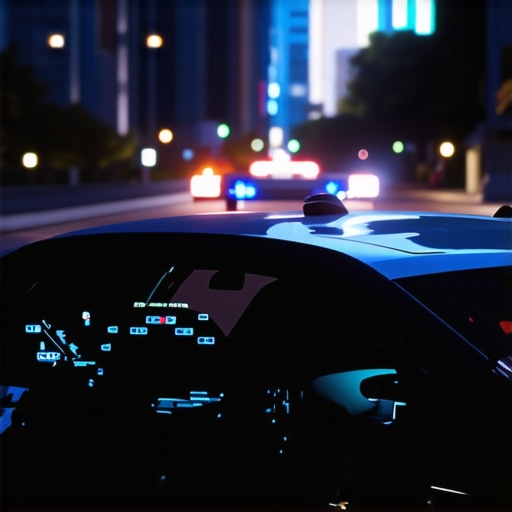
The visual record of police interaction
Dashcam footage serves as the only objective witness in a DUI defense strategy, providing an unedited record of the traffic stop and field sobriety tests. A DUI attorney relies on this digital evidence to confirm if the arresting officer followed standard operating procedures or violated constitutional protections during the initial encounter. This video data often reveals procedural errors that lead to the dismissal of charges.
I once watched a client lose their entire claim of innocence in the first ten minutes of a deposition because they ignored one simple rule about silence. They insisted they had performed the walk-and-turn test perfectly. When we finally forced the prosecution to hand over the dashcam files, the reality was devastating. The client wasn’t just stumbling; they were arguing with a mailbox they thought was a deputy. That cold splash of black coffee reality is why I never take a client’s word for what happened on the side of the road. Memory is a filter; 1080p resolution is a hammer. In the high-stakes chess of DUI litigation, the dashcam is the piece that either protects your king or ends the game before the first motion is filed. If you want to call an attorney, you need one who treats video discovery as a forensic autopsy rather than a movie night.
Where the police report loses its way
A police report is a subjective narrative written to justify an arrest, whereas video evidence provides a factual baseline for DUI legal challenges. By comparing the officer’s written account against the time-stamped footage, a dui lawyer can identify inconsistencies that impeach the testimony of the prosecution’s primary witness. This information gain allows the defense to challenge the probable cause required for the arrest.
The written report will always say the driver had bloodshot eyes and a heavy odor of alcohol. These are