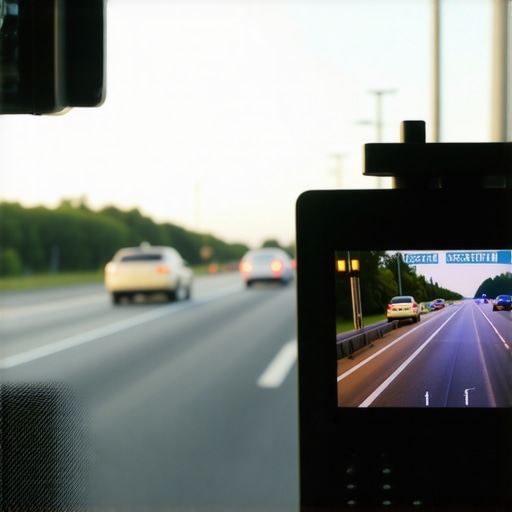
The Brutal Truth About the Dashcam in Your DUI Case
Sit down and pour yourself some coffee, though if it is not black, you are wasting my time. I have been in this game for twenty-five years, and I can tell you that the legal system does not care about your feelings, your excuses, or your version of the truth. It cares about evidence. Most people think they are their own best witness, but they are usually their own worst enemy. I watched a client lose their entire claim in the first ten minutes of a hearing because they ignored one simple rule about silence. They tried to explain why they looked unsteady on the asphalt instead of letting the digital record speak. They spoke when they should have remained silent, and that hubris cost them their license. In the world of dui legal strategy, the camera is the only entity in the courtroom that does not have a motive to lie, forget, or embellish. While your memory is clouded by adrenaline and the officer’s memory is clouded by the sheer volume of arrests they process, the dashcam remains cold and clinical. It records the frame rate of your movements and the exact decibel level of your speech. It is the silent observer that can either bury your defense or become the weapon that shreds the prosecution’s narrative.
The mechanical eye that ignores police bias
Dashcam footage provides an objective record of a DUI arrest that overrides the subjective narrative found in a police report. A dui lawyer uses this evidence to challenge the officer’s testimony regarding field sobriety tests and the initial traffic stop. Case data from the field indicates that police reports frequently contain canned phrases designed to meet the threshold of probable cause. You will see phrases like ‘slurred speech’ or ‘bloodshot eyes’ in nearly every arrest report regardless of the actual physical state of the driver. Procedural mapping reveals that the camera often tells a different story. If the report says you were stumbling but the video shows you walking a straight line with military precision, the officer’s credibility is dead on arrival. The camera does not care about the officer’s promotion track or their personal bias against drivers at two in the morning. It captures the infrared spectrum of the scene, providing a level of detail that a human eye simply cannot maintain under the flickering lights of a cruiser. When you call an attorney, the first thing they should ask for is the raw, unedited footage from that night. If they do not, they are just a settlement mill looking to take your money and plead you out.
The discrepancy between the sworn statement and the digital file
DUI defense often hinges on the minute details of the traffic stop and the specific legal protocols followed by the arresting officer. A dui attorney must scrutinize the dashcam video to identify inconsistencies in the police narrative. While most lawyers tell you to sue immediately or demand a trial, the strategic play is often the delayed demand for the video. You want the officer to file their sworn affidavit first. You want them to commit their lies to paper under penalty of perjury before you show them the video that proves they are wrong. This is the chess game of litigation. If the officer writes that you failed to signal a turn, but the dashcam shows your blinker was active for a full three hundred feet before the intersection, the entire stop becomes unconstitutional. This is the fruit of the poisonous tree doctrine. Without a valid reason for the stop, every piece of evidence gathered afterward, including the breathalyzer and the blood test, becomes inadmissible in a court of law. This is not about being a ‘good person’ or a ‘bad person.’ This is about procedure and the rigorous application of the law.
“Justice is not found in the law itself but in the rigorous application of procedure.” – Common Law Maxim
The physics of the roadside balance test
Field sobriety tests are essentially a performance designed for you to fail, but the dui lawyer can use the dashcam to show the environmental factors that influenced the results. The dui legal framework requires that these tests be administered under specific conditions to be considered valid indicators of impairment. Consider the slope of the road. If the officer directs you to perform the walk and turn test on a shoulder with a ten degree grade, your balance is compromised by gravity, not alcohol. The camera captures the wind buffeting your clothes, the blinding glare of the high beams from the cruiser, and the uneven texture of the gravel. These are the forensic details that a dui attorney uses to deconstruct the prosecution’s case. We look at the timestamp on the video to see if the officer allowed the proper observation period before the breath test. If they shaved off three minutes to get back to the station faster, the test is compromised. The dashcam is the primary tool for measuring the gap between what the officer claims happened and what the laws of physics allow.
The procedural leverage of a preservation letter
DUI defense requires an immediate preservation letter to ensure the police department does not ‘accidentally’ delete the dashcam footage after thirty days. A dui lawyer understands that evidence retention policies are the greatest threat to a successful defense in any dui legal matter. Case data from the field indicates that many departments use automated systems that overwrite data unless a formal hold is placed. If that video disappears after you have requested it, we move for an adverse inference instruction. We tell the jury that the police destroyed the one piece of evidence that would have proven your innocence. That is often more powerful than the video itself. It creates a vacuum of trust. When you call an attorney, you are paying for their ability to navigate these administrative minefields. You are paying for their knowledge of the specific camera models used by local law enforcement, like the Axon Fleet series, and the common technical glitches that can occur, such as audio desynchronization. If the audio cuts out the moment the officer starts talking about your rights, that is not a coincidence; it is a point of attack for the defense.
“The integrity of the judicial system rests upon the transparent preservation of all relevant evidence.” – American Bar Association Standards for Criminal Justice
The strategic advantage of the delayed discovery request
Discovery protocol in a dui case involves more than just asking for a copy of the police report; it requires a deep dive into the metadata of the dashcam video. A dui attorney who understands digital forensics can often find exculpatory evidence hidden in the file headers or the GPS coordinates embedded in the recording. While most lawyers want the video immediately, the strategic play is often to wait until the officer has testified at an administrative license hearing. Let them lock in their testimony under oath. Let them describe your behavior in vivid, exaggerated detail. Then, and only then, do you produce the video that contradicts every word they said. This is how you win. You do not win by being nice; you win by being prepared. The dashcam is not just a witness; it is the final arbiter of truth in a system that is designed to process you like a piece of meat. You need a dui lawyer who views the courtroom as a battlefield and the dashcam as their primary weapon. If you are looking for a hand to hold, call a therapist. If you are looking to save your life and your reputation, find the footage and find a lawyer who knows how to use it. The final strategic assessment is simple: the video is the only thing standing between you and a conviction, so do not let it get deleted, and do not let it be ignored.
Comments are closed.