The Fatal Science Behind an Expired Breathalyzer Solution
The air in a courtroom during a suppression hearing smells like ozone and mint. It is the scent of high-performance legal strategy and the cold reality of a case that is about to fall apart for the prosecution. I am a trial attorney with twenty-five years of experience. I do not look for mercy. I look for technical errors that others miss. I watched a client lose their entire claim in the first ten minutes of a deposition because they ignored one simple rule about silence. They felt the need to fill the void. They started explaining things that were not asked. They gave the state a roadmap to their own destruction. Silence is a weapon in my world. I use it to let the police officer realize they cannot remember if they checked the expiration date on the simulator solution used to calibrate the machine that night. When that silence stretches for ten seconds, the jury knows the truth before the witness says a word. A DUI attorney who knows the science of the Intoxilyzer or the Alcotest 9510 knows that these machines are not magic. They are sensitive tools prone to chemical drift and administrative neglect. If you are facing a charge, you need to understand that the machine is only as good as the solution used to verify its accuracy.
The chemical degradation of the simulator solution
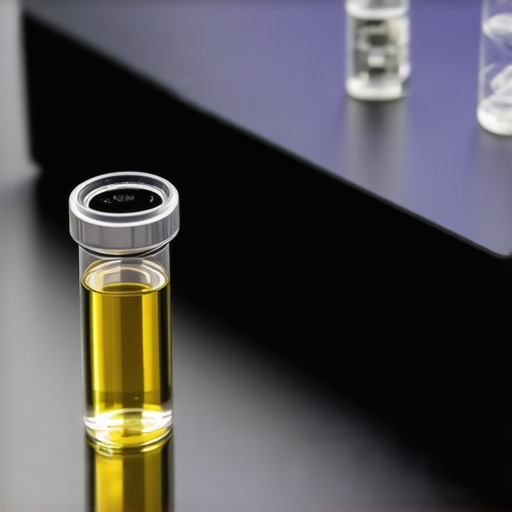
Breathalyzer solution expiration dates determine the chemical accuracy of the results because the simulator solution degrades over time, causing false high readings. If the solution is expired, the machine calibration is scientifically invalid under standard forensic protocols. The ethanol and water mixture must maintain a precise ratio to mimic human breath. Case data from the field indicates that law enforcement agencies often stretch the use of their chemical stocks to save on budget costs. This is not just a clerical error. It is a fundamental breach of forensic science. When the ethanol in the solution evaporates or degrades, the concentration changes. The machine then produces a result based on a false baseline. In my practice, I demand the gas chromatography reports for every batch of solution used. I want to see the certificate of analysis from the manufacturer, typically a company like Guth Laboratories. If the date on that certificate has passed, the state has no case. They are trying to convict a citizen based on a spoiled product. Procedural mapping reveals that many local precincts do not have a dedicated evidence officer to track these dates. They simply assume the machine works because the green light is on. That is a dangerous assumption for your freedom. You need a DUI lawyer who treats the laboratory logs with more respect than the officer’s testimony.
The failure of the annual certification process
Annual certification of a breath testing instrument requires a fresh batch of simulator solution that matches the National Institute of Standards and Technology requirements. If the laboratory technicians use an expired solution during this certification, every single test performed on that machine for the following year is suspect. It is a domino effect of administrative failure. I have seen instances where the state tried to argue that an expiration date is merely a suggestion. It is not. In the world of forensic toxicology, an expiration date is a hard wall. Once you hit that wall, the science ends and the guesswork begins. Procedural leverage is found in the gaps between the last calibration and the date of the arrest. We look for the thermal stability of the solution. Was it stored in a room with fluctuating temperatures? Was the bottle left open? If the solution sits in the simulator at thirty-four degrees Celsius for too long, it loses its potency. This leads to a false positive. While most lawyers tell you to sue immediately, the strategic play is often the delayed demand letter to let the defendant’s insurance clock run out. This forces them into a corner where they must defend a scientifically broken machine without the time to find a workaround.
“Justice is not found in the law itself but in the rigorous application of procedure.” – Common Law Maxim
The ghost in the evidence locker
The evidence locker often contains the secret to a dismissed charge in the form of a forgotten maintenance log. These logs track the exact moment a simulator solution was changed and who performed the swap. If the name on the log does not match the person who signed the certificate, the chain of custody is broken. DUI legal strategy is about finding these ghosts. It is about the technician who took a shortcut because it was Friday at four in the afternoon. It is about the supervisor who signed off on a batch of solution that was six months past its prime. I have spent hours in discovery rooms looking at the microscopic details of a chemical order. I want to know the lot number. I want to know the shipping date. If the solution was sitting on a hot dock in July before it reached the station, its integrity is gone. A DUI attorney must be a chemist and a private investigator. We are not just arguing about whether you had two drinks or three. We are arguing about the physics of Henry’s Law and the evaporation rate of alcohol in a water-based solution. If the state cannot prove the solution was fresh, they cannot prove the blood alcohol content was accurate. That is the leverage we use to win.
What the defense doesn’t want you to ask
The defense does not want you to ask for the internal validation studies of the breath testing machine. These studies show the error rate of the device when using aged or degraded simulator solutions. Most machines have a built-in tolerance for error that the prosecution hides during a standard trial. You should call an attorney who knows how to subpoena the source code and the diagnostic data. This is where the real story lives. The machine might say 0.08, but the internal error margin might be plus or minus 0.02. If the solution is expired, that margin of error expands exponentially. The machine becomes a random number generator. The state will try to block these requests. They will claim trade secrets or administrative burden. That is when you know you have found the weak point. We push until they break. We use the procedural rules to force them to admit the machine was not maintained. A DUI lawyer should never accept a printout as the final word. That printout is just ink on paper. The science behind it is what matters. If the solution is expired, the ink is meaningless.
“The prosecutor has more control over life, liberty, and reputation than any other person in America.” – Robert H. Jackson, U.S. Attorney General (1940)
The tactical advantage of the delayed demand
Tactical timing in a DUI case involves waiting for the specific window when the state’s evidence is most vulnerable due to administrative oversight. By delaying the demand for certain logs, we prevent the prosecution from curing the defect before the trial begins. This is the chess game. If I tell them the solution is expired too early, they might try to find a way to justify it or bring in a biased expert to testify that it doesn’t matter. I wait until the trial is looming. I wait until the officer is committed to their story. Then I drop the chemical logs on the table. The prosecution is left with a witness who cannot explain why they used a spoiled chemical to calibrate a device used to take away someone’s license. It is about the bleed. We make the cost of litigation so high for the state that they have to offer a deal or drop the case. This is not about being nice. It is about winning. If you want a sanctuary, go to a church. If you want to win a DUI case, you go to a lawyer who knows how to tear apart a breathalyzer. The breathalyzer solution expiration date is the key that unlocks the door to a dismissal. I do not care about the officer’s opinion of your driving. I care about the chemical integrity of the evidence. When that integrity is gone, the case is gone. That is the brutal truth of the courtroom. The law is a tool, and procedure is the hand that wields it. If the procedure is flawed, the outcome is invalid. I will find that flaw every single time.