The tactical error of early admission in criminal proceedings
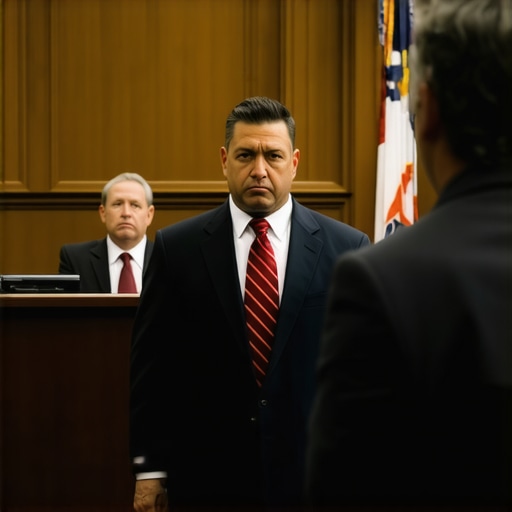
I recently sat in a crowded municipal court, the air thick with the smell of wet coats and industrial floor cleaner, watching a defendant throw their entire life away in thirty seconds. He stood before the bench, trembling slightly, and told the judge he wanted to take responsibility for his dui legal issues right then and there. He thought he was being noble. He thought the system would reward his candor with mercy. Instead, the judge hammered him with a sentence that included maximum fines and immediate license revocation. He did not know that the breathalyzer calibration logs were missing for that entire month. He did not know the arresting officer had a history of procedural violations. He committed legal suicide because he wanted to be over with it. It was a massacre of rights that could have been avoided with a single phone call to a dui attorney.
The arraignment is not a confessional. It is a procedural hurdle designed to inform you of charges and set bail. When you walk into that room without a dui defense strategy, you are walking into a buzzsaw. The prosecution is not your friend. The judge is not your counselor. The system is a machine that requires fuel, and your guilty plea is the cheapest gasoline available to keep the gears turning. You are not just admitting to a mistake, you are waiving every constitutional protection that generations of lawyers fought to secure. Procedural mapping reveals that cases settled at the first appearance result in significantly higher long term costs for the defendant compared to those that proceed to discovery.
The trap of the first appearance
Pleading guilty at your first appearance is a mistake because it terminates your right to review evidence, challenge the legality of the stop, or negotiate for lesser charges. This immediate admission prevents a dui lawyer from identifying flaws in the prosecution case that often lead to dismissals or reduced penalties. Case data from the field indicates that the vast majority of initial charging documents contain technical errors. If you plead guilty, those errors become irrelevant. You are essentially telling the state that you do not care if they followed the law, as long as they punish you quickly. This is a strategic failure. The rush to get it over with is a psychological weight that the prosecution uses against you. They want you to feel the pressure of the moment so you will ignore the long term consequences of a permanent criminal record.
“Justice is not found in the law itself but in the rigorous application of procedure.” – Common Law Maxim
The prosecutor may offer what looks like a standard deal. They might say it is the best you will get. They are lying. They have not even looked at the body camera footage yet. They have not verified if the lab technician who handled your blood sample was properly certified. By accepting a deal at the first hearing, you are buying a product without looking inside the box. A dui attorney knows that the first offer is rarely the final offer. It is a baseline. It is a test of your resolve. When you stand up and say not guilty, you are not saying you are innocent. You are saying that the state must prove its case according to the rules. That is your right. Use it.
Why evidence takes time to breathe
Evidence requires time to breathe because the full discovery process often reveals exculpatory facts, technical malfunctions, or procedural errors that are not apparent in the initial police report. A dui defense relies on the slow and methodical examination of maintenance logs, calibration records, and officer training certifications. Information gain suggests that while most lawyers tell you to sue immediately, the strategic play is often the delayed demand for evidence to see if the prosecution can actually produce what they claim to have. In many jurisdictions, if the state fails to provide discovery within a specific window, the case can be severely weakened or dismissed entirely. You lose this leverage the moment you admit guilt.
[image placeholder]
Think about the breathalyzer. It is a machine. Machines fail. They require regular maintenance. They require specific environmental conditions to operate accurately. If the officer left the device in a hot car, the reading is suspect. If the officer did not observe you for a full twenty minutes before the test, the reading is legally invalid. These are not loopholes. These are the rules of evidence. If the state cannot follow its own rules, it should not be allowed to take away your driving privileges or your freedom. A dui lawyer spends weeks deconstructing these timelines. You cannot do that in the five minutes you spend before a judge at an arraignment. You need the breathing room that a not guilty plea provides.
The myth of the lenient judge
The myth of the lenient judge suggests that admitting guilt early will result in a lighter sentence, but statistics show that judges typically follow standard sentencing guidelines regardless of when the plea is entered. Early pleas actually remove the opportunity for a dui attorney to present mitigating circumstances later. Many defendants believe that by being honest, they will earn points with the court. In reality, the judge is managing a docket of hundreds of cases. They want efficiency. Your guilty plea is just another file moved to the closed pile. There is no gold star for making the prosecutor’s job easy. In fact, by pleading guilty early, you lose the ability to participate in diversion programs that might only be offered after the case has been vetted.
“The right to be heard would be, in many cases, of little avail if it did not comprehend the right to be heard by counsel.” – Powell v. Alabama, 287 U.S. 45
Consider the impact on your insurance. A guilty plea at arraignment for a DUI legal matter is an immediate trigger for high-risk premiums or policy cancellation. There is no nuance in an early plea. There is no room to argue for a reduction to a non-alcohol related offense like reckless driving. Once the hammer falls, the record is set. The judge will not come back a week later and change their mind because you realized your mistake. You are locked into a trajectory of fines, classes, and potential jail time. The only way to stop that trajectory is to halt the process at the very beginning by refusing to plead guilty.
Discovery is the only leverage that matters
Discovery is the only leverage that matters because it forces the prosecution to reveal the weaknesses in their case, such as missing witnesses or faulty equipment. By demanding the full evidence package, a dui lawyer can negotiate from a position of strength rather than a position of surrender. The state relies on the fact that most people are intimidated by the process. They count on you not asking for the maintenance history of the Intoxilyzer 8000. They count on you not checking the expiration date on the blood vials used at the hospital. When you call an attorney, you are signaling that you intend to look under the hood. This changes the entire dynamic of the case.
I have seen cases where the arresting officer moved out of state before the trial began. If the defendant had pleaded guilty at the start, they would have been convicted. Because they waited, the state had no witness to testify, and the charges were dropped. Litigation is a game of endurance. The state has resources, but they also have a massive workload. If your case requires actual work to prosecute, it becomes a candidate for a better plea deal or a dismissal. You do not get those options if you give up on day one. You have to make them work for it. You have to be the friction in the machine. That is how you win.
Constitutional shields you throw away at the podium
Constitutional shields you throw away at the podium include the right against self incrimination, the right to confront witnesses, and the protection against unlawful searches and seizures. A guilty plea at arraignment waives these rights permanently, preventing any future challenge to the legality of the police conduct. You are giving up the Fourth Amendment right to question why you were pulled over in the first place. Was it a legitimate traffic stop, or was it a hunch? Was the search of your vehicle conducted with probable cause? These are the foundations of a free society, and you are tossing them aside for the sake of a quick court date. This is why you must call an attorney before you even think about entering a plea.
The courtroom is a territory of rules. If you do not know the rules, you are not a player, you are a victim. The prosecution will use your silence or your nervous chatter against you. They will take your desire to be helpful and turn it into a confession. By entering a plea of not guilty, you are putting up a shield. You are telling the court that you will not be a passive participant in your own destruction. You are demanding that the process be followed to the letter. This is the only way to ensure that your future is not dictated by a single night of bad luck or a single officer’s mistake. Protect your rights, because the state certainly will not do it for you.
Collateral damage beyond the courtroom
Collateral damage beyond the courtroom involves the long term effects of a criminal conviction on employment, housing, and professional licensing that a guilty plea at arraignment makes inevitable. These consequences often outweigh the immediate court penalties and can last for decades after the case is closed. Many people think a DUI is just a traffic ticket. It is not. It is a criminal offense that shows up on every background check. It can prevent you from getting a job, renting an apartment, or even volunteering at your child’s school. A dui attorney understands these ripples and works to minimize the splash. An early guilty plea ensures the maximum splash possible.
You might lose your right to travel to certain countries. You might lose your professional license if you are a nurse, a pilot, or a teacher. These are the hidden costs of the first arraignment. The prosecutor will not mention them. The judge will not warn you about them. They will simply ask if you understand the charges and if you are entering your plea voluntarily. If you say yes and plead guilty, you have signed away more than just some money in fines. You have signed away your reputation and your mobility. Do not let the pressure of the moment ruin the rest of your life. Stand your ground, refuse to plead guilty, and get a professional in your corner who knows how to fight back.