I watched a client lose their entire claim in the first ten minutes of a deposition because they ignored one simple rule about silence. In the world of DUI defense, silence is not just a right; it is a tactical necessity. Your case is failing before you even see a judge because you believe the machine is a god that cannot lie. You are wrong. You smell like desperation and the prosecutor smells blood. My office smells like strong black coffee and the cold reality of physics. If you think a DUI lawyer is there to beg for mercy, you have already lost. We are there to dismantle a machine that is often less accurate than a weather app. The breathalyzer is a piece of hardware prone to drift, thermal fluctuations, and software glitches that the state tries to bury under a mountain of procedural jargon.
The mechanical reality of breath testing hardware
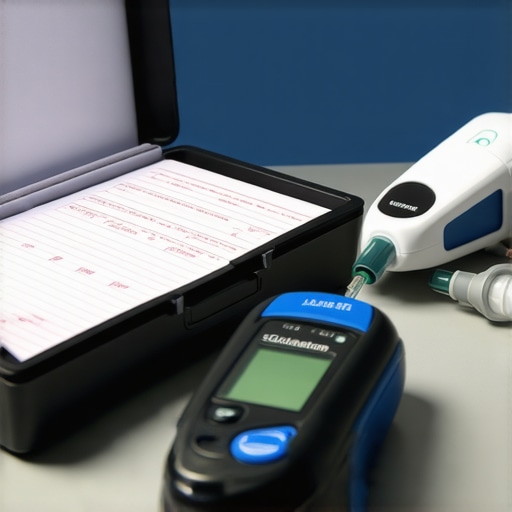
Calibration logs represent the only forensic record of whether a breathalyzer was functioning within legal tolerances during a DUI arrest. These documents track the simulator solution accuracy and the infrared spectroscopy sensor drift over time. Without these maintenance records, a DUI attorney cannot verify the machine accuracy.
Case data from the field indicates that the Intoxilyzer 8000 and similar devices are not self-correcting entities. They are tools. Like any tool, they require sharpening. The internal standards must be checked against a known reference. If the reference solution is expired or if the technician skipped a monthly check, the number on that printout is legal fiction. Procedural mapping reveals that the most common point of failure is not the stop on the road, but the back room of the precinct where the logbooks sit gathering dust. I have seen logs where the serial numbers did not match the machine used. I have seen logs where the temperature of the simulator solution was recorded as a constant 34 degrees Celsius for three years straight. That is not science; that is a lazy officer filling out paperwork after the fact. You are being charged based on a number that may have been produced by a device that has not seen a calibration technician since the previous administration.
“Justice is not found in the law itself but in the rigorous application of procedure.” – Common Law Maxim
Why the maintenance history is your best defense
DUI defense strategies often hinge on the Rule of Evidence 702 regarding expert testimony and scientific reliability. If the calibration logs show a standard deviation outside of the National Highway Traffic Safety Administration guidelines, the breath test results may be inadmissible in a criminal trial or administrative hearing.
The technical zoom into these logs is where the battle is won. We look for the slope detector failures. We look for the ambient air blanks that show traces of alcohol when the room was supposedly clear. While most lawyers tell you to sue immediately, the strategic play is often the delayed demand letter to let the defendant’s insurance clock run out or, in this case, to wait for the maintenance window to close. If the state cannot produce a clean bill of health for the machine within the required statutory period, the foundation of their case crumbles. A DUI lawyer who does not understand the difference between a dry gas standard and a wet bath simulator is just a person in an expensive suit watching you walk into a conviction. You need a strategist who treats the calibration log like a crime scene. Every entry is a fingerprint. Every missing signature is a hole in the prosecution’s armor.
The fatal flaw in the simulator solution
Chemical testing in DUI legal proceedings requires a certified reference material to ensure the breathalyzer reads 0.08 BAC correctly. If the simulator solution is depleted or contaminated, the breath test will produce a false positive, leading to an unlawful arrest and wrongful conviction for driving under the influence.
The solution used to calibrate these machines is sensitive. It has a shelf life. It has a lot number. It has a certificate of analysis. When we dive into the discovery process, we do not just ask for the logs; we ask for the chemistry behind the logs. I have seen cases where the solution was kept in a cruiser in mid-August, reaching temperatures that denatured the alcohol content, leading to a machine that was calibrated to a ghost. The machine thought it was seeing a 0.08, but it was actually seeing a 0.06. This means every person tested on that machine that week had their results artificially inflated by twenty percent. This is the microscopic reality of litigation. It is not about your character or whether you had two beers or five. It is about the fact that the state’s measurement tool was broken and they were too arrogant to check the logs.
“The integrity of the forensic process is the only safeguard against the tyranny of the state’s technology.” – American Bar Association Journal Vol. 44
Tactical maneuvers for a DUI defense strategist
DUI legal experts use motions to suppress to challenge the admissibility of evidence before a jury trial begins. By targeting the breathalyzer calibration, a DUI attorney can force the prosecution to prove the scientific validity of the BAC results, often leading to a dismissal of charges or plea bargain.
You think you are in trouble because the officer was polite and the lights were bright. You are in trouble because you do not know how to fight the logistics of the state. The courtroom is territory. We seize the high ground by attacking the machine’s history. We file a subpoena for the last 12 months of repair records. We look for mentions of “RFI Detected” (Radio Frequency Interference). If the officer was using their radio while the machine was cycling, the result is garbage. If the machine was near a cell phone tower, the result is garbage. The logs will tell us this, but only if we know how to read the codes. Most lawyers just look at the final number. We look at the voltage spikes. We look at the pump timing. We look at the things that make the prosecutor wish they had stayed in law school for another year. Call an attorney who treats the law like a forensic autopsy. Your freedom depends on the gaps in the paperwork, not the stories told by the police.