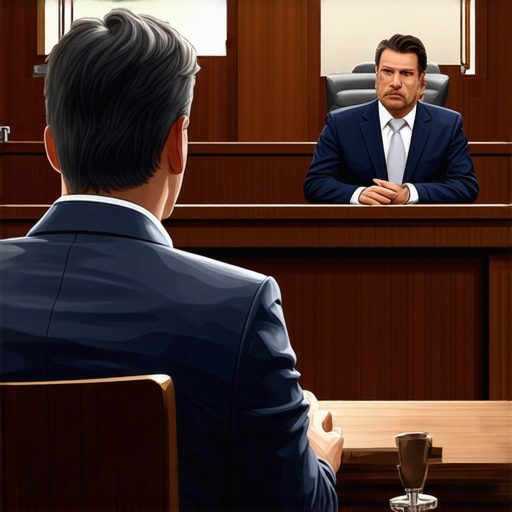
The fatal silence of an unprepared defendant
DUI defense is not a matter of general legal principles but a high-stakes forensic battle where technical errors dictate the outcome. Most defendants lose their cases in the first ten minutes of a deposition or an administrative hearing because they assume their generic attorney knows the science. I watched a client lose their entire claim and their driving privileges in the first ten minutes of a DMV hearing because their previous lawyer ignored one simple rule about silence and the timing of the implied consent warning. This is the reality of the legal system where procedure outweighs the vague notion of truth. Your case is not about whether you were drinking; it is about whether the state can prove it while following every microscopic rule of the administrative code.
“Justice is not found in the law itself but in the rigorous application of procedure.” – Common Law Maxim
The technical void in general practice
DUI legal strategy requires a deep understanding of the Intoxilyzer 8000 software source code and the physiological variables that affect breath results. A general criminal lawyer who handles shoplifting, assaults, and domestic disputes simply does not have the bandwidth to track the calibration logs of every breath machine in the county. They do not know that the slope detector in the breathalyzer can fail to distinguish between mouth alcohol and deep lung air. While most lawyers tell you to sue immediately or take the first plea deal offered by the prosecutor, the strategic play is often the delayed demand for discovery to let the dashcam footage retention period expire or to wait for the arresting officer to move to another department, rendering them unavailable for testimony. This is the chess game of litigation that a settlement mill will never play. [image_placeholder_1]
The forensic reality of blood draws
A specialized DUI attorney understands that a blood draw is not a definitive proof of guilt but a biological sample subject to fermentation and contamination. If the laboratory technician fails to use a non-alcoholic swab or if the vial lacks the proper amount of sodium fluoride preservative, the blood sample can actually produce its own alcohol content while sitting on a shelf. This is known as neo-formation of ethanol. A generalist will look at a lab report and see a 0.12 and tell you to plead guilty. A trial architect will look at the gas chromatography printout and find the ghost peaks that indicate the machine was not properly purged between samples. We look for the vacuum pressure in the vial; if the seal was compromised, the entire chain of custody is a legal nullity. The difference between a conviction and a dismissal is often found in the three-microliter difference of a sample injection.
“The right to counsel is the right to effective counsel, which requires specialized knowledge of the subject matter at hand.” – American Bar Association Standards for Criminal Justice
The procedural collapse of the traffic stop
Every DUI lawyer knows that the case begins with the flashing lights in the rearview mirror, but only a specialist knows how to deconstruct the Standardized Field Sobriety Tests. These tests, developed by the National Highway Traffic Safety Administration, are designed for failure. The Horizontal Gaze Nystagmus test requires the officer to hold the stimulus exactly twelve to fifteen inches from your nose and move it at a specific speed. If the officer moves their hand too fast, the resulting eye twitch is a physiological artifact of the test itself, not impairment. We zoom in on the dashcam footage to measure the angle of the stimulus. If it is not at forty-five degrees, the evidence is inadmissible. A generic lawyer does not own the NHTSA manual; they just hope the prosecutor is in a good mood. They do not understand that the Walk and Turn test is an exercise in divided attention that ignores physical disabilities, inner ear infections, or even the wind speed on the side of the highway.
The high price of cheap advice
You must call an attorney who views the courtroom as territory to be defended through logistics and flank attacks. The state has unlimited resources to prosecute you, and a generalist lawyer is like bringing a knife to a drone strike. The ROI of litigation is found in the suppression of evidence. If we can suppress the breath test, the state’s case often evaporates. This requires a granular knowledge of the administrative code, such as the mandatory twenty-minute observation period. If the officer looked away for ten seconds to check their radio, the observation period is broken. A generalist does not ask about those ten seconds. They do not ask about the last time the simulator solution was changed in the breath machine. They do not care about the hematocrit levels in your blood which can artificially inflate your BAC. You are paying for a defender, but you need a forensic scientist with a law degree. The court does not care about your story; it cares about the data, and the data is often flawed, biased, and poorly collected by under-trained patrol officers who are more interested in their arrest quotas than the constitutional rights of the driver in front of them.