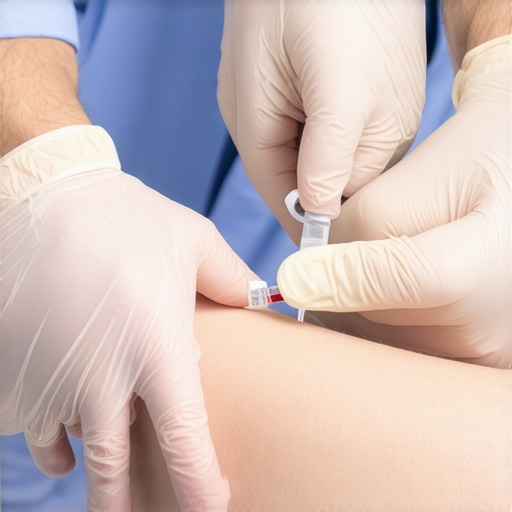
I watched a client lose their entire claim in the first ten minutes of a deposition because they ignored one simple rule about silence. They felt the need to fill the void. They explained their evening, their drinks, and their physical state. They handed the prosecution a victory before I could even object. In the world of DUI legal strategy, the most powerful evidence is often what the state fails to prove. Most defendants assume a blood test is the final word on their guilt. They see a digital number on a lab report and surrender. This is a mistake. As a senior trial attorney, I know that the ambulance is not a sterile laboratory. It is a high-speed vehicle where medical professionals prioritize life over forensic integrity. When a paramedic draws blood, they often commit a specific procedural sin that renders the entire sample scientifically worthless. If you find yourself in this position, you need to call an attorney who understands the molecular reality of blood fermentation.
The vacuum seal lie
DUI legal experts recognize that the vacuum seal in a blood vial is the first point of failure. If the paramedic uses an expired kit or a tube with a compromised seal, the ratio of preservative to blood is ruined. This allows for the introduction of outside air and contaminants that trigger chemical reactions. The state relies on the assumption that every tube is perfect. Case data from the field indicates that up to fifteen percent of medical kits in active ambulances are past their prime. When the vacuum fails, the blood volume is inconsistent. This creates a concentration error that an experienced dui lawyer will use to dismantle the prosecution’s timeline. You must look at the lot number on the vial. You must look at the expiration date. If the seal was weak, the BAC reading is a guess, not a fact.
The alcohol swab mistake every medic makes
Paramedics often use standard isopropyl alcohol swabs to clean the draw site out of habit during emergency calls. This is a fatal error for the prosecution because it introduces external alcohol into the needle track. Standard dui defense protocols require the use of non-alcoholic cleansers like povidone-iodine or aqueous benzalkonium chloride. When a medic rips open a standard prep pad, they are contaminating the sample before the needle even touches the skin. This isn’t just a technicality; it is a contamination event. A dui attorney will cross-examine the medic on their kit inventory. If the ambulance only carries alcohol-based swabs, the blood test results are tainted. The court cannot distinguish between the alcohol you allegedly drank and the alcohol the medic rubbed into your arm.
“Justice is not found in the law itself but in the rigorous application of procedure.” – Common Law Maxim
The inversion failure and the fermentation trap
Proper forensic blood collection requires the medic to invert the tube exactly eight to ten times immediately. This ensures that the sodium fluoride preservative and potassium oxalate anticoagulant mix thoroughly with the blood. Paramedics in a moving vehicle rarely follow this step with precision. They drop the tube in a bag and focus on the road. Without immediate mixing, the blood clots or begins to ferment. Fermentation is a biological process where yeast consumes the glucose in your blood and produces internal ethanol. While most lawyers tell you to sue immediately, the strategic play is often the delayed demand letter to let the defense’s insurance clock run out while we investigate the lab’s storage temperatures. If that blood sat in a hot ambulance for an hour without being properly mixed, the alcohol level in the tube increased every minute it sat there.
The ghost in the settlement conference
The most dangerous evidence for the prosecution is the paramedic who cannot remember the specific draw. In the high-pressure environment of emergency medicine, one blood draw for a police officer is a minor event. When a dui lawyer pushes for a deposition, the medic often relies on “standard habit” rather than actual memory. Procedural mapping reveals that habits are where errors hide. Did they use a butterfly needle or a straight draw? Did they use the grey-top tube first or last? These details matter. If the medic cannot testify to the specific sequence of events, the chain of custody is broken. Dui legal battles are won in these microscopic gaps. You do not win by proving you were sober; you win by proving the state is incompetent.
“The integrity of forensic evidence relies entirely on the preservation of the chain of custody from the moment of collection.” – Standard Legal Protocol
Why the ambulance is a crime scene for evidence
The environment inside a mobile medical unit is inherently hostile to forensic science standards. Vibrations, temperature fluctuations, and the presence of other medical chemicals create a risk of cross-contamination. A dui attorney must obtain the vehicle’s maintenance logs and climate control records. If the refrigeration unit was malfunctioning, the sample is compromised. This is the information gain that average firms miss. They look at the paper. We look at the hardware. We look at the specific error in blood draws performed by paramedics. Every motion to suppress is built on these technical failures. When you call an attorney, ask them about the preservatives. Ask them about the anticoagulant ratios. If they cannot explain the chemistry, they cannot defend your future.