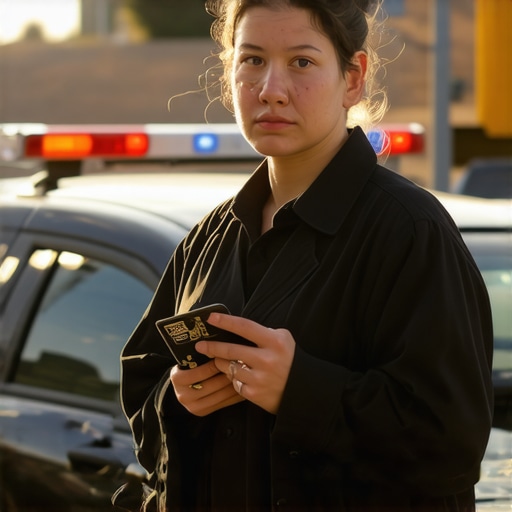
The absolute requirement for immediate silence
A dui attorney will tell you that the right to remain silent begins the second the lights flash. Most people feel a psychological urge to fill the silence. This is a tactical error. Every word you speak is being analyzed for slurred speech, rhythmic inconsistencies, or admissions of consumption. Dui legal professionals watch for these traps during the initial police contact and subsequent station processing. Stop talking immediately. I watched a client lose their entire defense in the first ten minutes of a traffic stop because they ignored this rule. They thought being friendly to the officer would result in a warning. Instead, they handed the prosecution a recorded confession of impairment. The officer is not your friend. The officer is a witness for the state. Your silence is not an admission of guilt. It is a preservation of your constitutional rights. Every sentence you utter is a potential nail in your legal coffin. I have seen cases destroyed because a driver tried to explain away a single glass of wine. The prosecution does not care about your explanation. They care about the admission. Call an attorney before you say another word to the staff at the precinct.
“Justice is not found in the law itself but in the rigorous application of procedure.” – Common Law Maxim
The ten day administrative license hearing
The dui defense process begins with a ticking clock that most defendants ignore until it is far too late. You typically have exactly ten days from the date of your arrest to request an administrative hearing with the department of motor vehicles. This is a separate civil matter from your criminal case. Dui lawyer expertise is needed here to prevent an automatic license suspension that occurs regardless of your eventual guilt or innocence in court. If you miss this window, you lose your privilege to drive. There are no exceptions for work or family emergencies in the eyes of the administrative judge. The procedural mapping of these hearings is brutal. We look for technical flaws in the officer’s paperwork. We check the certification dates of the breathalyzer equipment. We verify if the officer followed the mandatory 20 minute observation period before the breath test. If the officer failed to watch you for exactly 20 minutes to ensure you did not burp, hiccup, or vomit, the test results may be suppressed. This is the microscopic reality of litigation. One minute of missed observation can be the difference between a dismissed charge and a conviction.
The forensic preservation of physical evidence
A dui attorney needs data to fight a case, and that data disappears within hours of your release. You must document your physical state, your surroundings, and the timeline of your consumption immediately. This is the information gain that wins trials. While most lawyers tell you to wait for the police report, the strategic play is to create your own record of the facts. Take high resolution photographs of your eyes to prove a lack of redness. Record a video of yourself walking and speaking to demonstrate coordination. Note the exact weather conditions and road hazards at the site of the stop. If there was construction or poor lighting, that evidence must be captured before the scene changes. Case data from the field indicates that environmental factors often cause failed field sobriety tests more than alcohol does. The Horizontal Gaze Nystagmus test is highly sensitive to flashing lights and passing traffic. If the officer performed this test while their cruiser lights were strobing in your eyes, the results are scientifically invalid. We need to prove the officer violated the National Highway Traffic Safety Administration standards. This requires forensic detail that only you can provide in the hours following your arrest.
“A lawyer shall provide competent representation to a client. Competent representation requires the legal knowledge, skill, thoroughness and preparation reasonably necessary for the representation.” – American Bar Association Model Rules
The fallacy of the field sobriety test
Field sobriety tests are designed for failure. They are subjective tools used by officers to build probable cause for an arrest. A dui lawyer knows that these tests are not pass or fail in the traditional sense. The officer is looking for specific clues of impairment. Even a sober person can fail these tests due to nerves, fatigue, or physical injury. Your performance is being recorded on a body camera. This footage will be the centerpiece of the prosecution’s case. We must deconstruct this footage frame by frame. We look for the officer’s failure to give proper instructions. We look for uneven ground where you were asked to stand on one leg. If you have a back injury or a balance issue, the results are meaningless. Yet, the police will never tell you that you have the right to refuse these roadside gymnastics. In many jurisdictions, refusing the field tests has fewer consequences than taking them and failing. This is the brutal truth of the system. It is tilted against you from the start. You need an aggressive strategist to tilt it back. Procedural leverage is the only thing that matters in a courtroom where the jury is already biased against you. Your case is failing before it begins unless you challenge the validity of the state’s evidence with clinical precision. Do not wait for the court date. The war is won in the discovery phase where we force the state to produce calibration logs and officer training records. If their machine hasn’t been checked in 30 days, their evidence is trash. If the officer’s certification has lapsed, their testimony is compromised. This is how we win.