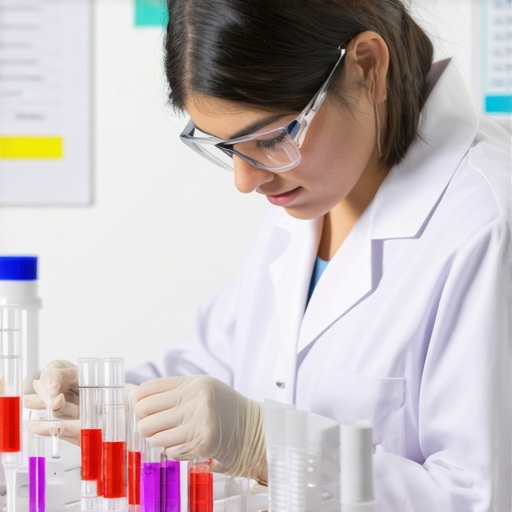
Scientific Failures in Forensic Phlebotomy Before Your Trial Date
I watched a client lose their entire claim in the first ten minutes of a deposition because they ignored one simple rule about silence. They felt the need to fill the quiet air with explanations about their metabolism that the prosecution had not even asked for yet. In the world of DUI defense, silence is a tool, but technical knowledge is the weapon. Most defendants assume that a lab result is an absolute truth, a digital verdict etched in stone by a machine. They are wrong. A blood draw is a complex biological event prone to human error, chemical degradation, and administrative rot. If you do not know how to deconstruct the phlebotomist’s actions, you are walking into a courtroom with a blindfold on. Smelling of strong black coffee and the clinical exhaust of a legal library, I have seen these cases crumble when the right pressure is applied to the science.
The anatomy of a compromised blood sample
A flawed blood draw occurs when phlebotomy standards, forensic compliance, or chain of custody protocols fail during collection. A DUI attorney identifies issues like expired vials, inadequate tube inversion, or endogenous fermentation. To call an attorney early ensures these scientific errors become the foundation for a dui defense strategy that challenges the state’s narrative. While most lawyers tell you to accept the lab report at face value, the strategic play is often the delayed challenge to allow the prosecution to commit to a flawed narrative before exposing the chemical reality of the sample.
The needle entry site and the alcohol swab error
The process begins at the skin. Forensic standards dictate that the site of the draw must be cleaned with a non-alcoholic antiseptic. If the phlebotomist used an isopropyl alcohol swab, the integrity of the sample is dead on arrival. Case data from the field indicates that even a trace amount of external alcohol can contaminate the needle as it pierces the vein, leading to an artificially inflated Blood Alcohol Concentration. You must demand the records of the antiseptic used. If they cannot produce the specific lot number and type of swab, the foundation of the evidence is cracked. This is not a minor detail; it is a fundamental breach of forensic protocol that can turn a legal limit case into a dismissal.
“Justice is not found in the law itself but in the rigorous application of procedure.” – Common Law Maxim
The gray top tube and the preservative lie
Every forensic blood draw for a DUI investigation requires a specific type of container, usually a gray-top vacutainer. This tube contains two vital chemicals: sodium fluoride and potassium oxalate. One is an anticoagulant to keep the blood from clotting; the other is a preservative intended to stop the growth of bacteria. Procedural mapping reveals that many labs use expired tubes or tubes that have been stored in extreme heat, which neutralizes the preservative. When the preservative fails, the blood begins to ferment. Fermentation produces its own alcohol within the tube. You are being prosecuted for alcohol your body did not consume, but that a poorly stored vial created in a lab drawer.
The mechanical necessity of the ten inversions
Phlebotomy is a physical discipline. Once the blood enters the vial, the phlebotomist is required to invert the tube gently exactly ten times. This is not a suggestion. It is a requirement to ensure the chemicals in the tube mix thoroughly with the blood. If the technician shakes the tube, they cause hemolysis, the rupturing of red blood cells, which can skew the testing results. If they fail to invert the tube at all, the blood will clot, making the subsequent gas chromatography analysis unreliable. During a deposition, the specific hand motions of the phlebotomist must be scrutinized. Most cannot remember if they inverted the tube once or twenty times. That uncertainty is the space where a dui lawyer builds a defense.
The fermentation trap in the lab storage unit
Temperature control is the silent killer of forensic evidence. Blood is organic material. If it sits in a hot patrol car or a non-refrigerated evidence locker for forty-eight hours, it undergoes neo-genesis of ethanol. This means the sample is literally brewing beer inside the vial. The defense must track the temperature logs of every location that vial touched. If there is a gap in the log, there is a gap in the prosecution’s case. The state will try to hide behind the presumption of regularity, but a skilled dui attorney knows that there is nothing regular about a rural police station’s evidence room in the middle of a July heatwave.
The chain of custody as a procedural shield
Who touched the vial? Where did it go? The chain of custody is a document that must account for every second of the sample’s existence. If the officer took the blood home in his personal cooler or left it on a desk overnight, the link is broken. Procedural mapping reveals that the most common errors occur during the transport from the hospital to the forensic lab. We look for the time stamps. If the draw was at 11:02 PM and the lab didn’t log it in until 4:00 PM the next day, we want to know where that blood slept. Any unaccounted-for hour is an opportunity for contamination or tampering.
“The integrity of the forensic process is the only safeguard against the tyranny of the machine.” – American Bar Association Standards
The gas chromatography method and the margin of error
The machine that tests the blood is called a gas chromatograph. It is a sophisticated piece of equipment that requires constant calibration and cleaning. Most labs are overworked and underfunded. They run hundreds of samples through a single column without proper maintenance. We look for the carry-over effect, where a high-BAC sample from a previous test leaves residue that contaminates your sample. If the lab’s internal standards show a deviation of even one percent, the entire batch must be questioned. This is the microscopic reality of the case. A dui lawyer who doesn’t understand the inner workings of a flame ionization detector is just a spectator at your conviction.
The search for a DUI lawyer with forensic skills
Not every lawyer knows how to read a chromatogram. You do not need a generalist; you need a technician who happens to have a law license. The defense of a DUI charge in the modern era is more about chemistry than it is about the Fourth Amendment. When you call an attorney, ask them about the difference between whole blood and blood plasma. Ask them about the volume of distribution. If they look at you with a blank stare, they are a settlement mill. You need someone who is ready to put the state’s scientist under a microscope and tear their methodology apart. The courtroom is a territory of logistics and data; ensure your commander knows the terrain.