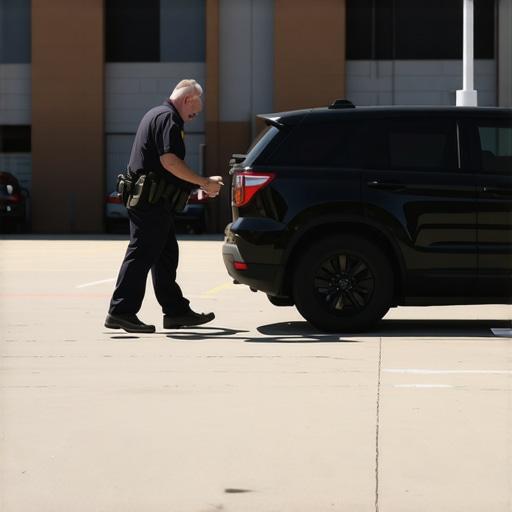
I smell like black coffee because I spent the last fourteen hours drafting a motion for a client who waited too long to call me. You are likely reading this because your vehicle is currently sitting in a lot surrounded by chain-link fence and grease. I watched a client lose their entire claim in the first ten minutes of an interaction with the police because they ignored one simple rule about silence. They thought they could explain why the car was legally parked. They thought the desk sergeant was there to help. They were wrong. The law is not a conversation. The law is a series of deadlines and procedural hurdles that will crush you if you do not move with precision. Most people treat a vehicle impoundment as an inconvenience. I treat it as a seizure of private property that requires an immediate and aggressive legal response. If your car was taken during a DUI stop, the clock is not just ticking; it is screaming. Every hour that passes increases the storage fees and decreases your leverage in the coming litigation. This is not about fairness. This is about recovery of assets and the protection of your constitutional rights. [image_placeholder]
The clock that starts when the handcuffs click
To recover your vehicle fast, you must demand a post-storage hearing within ten days of the impoundment date. This hearing is a constitutional requirement under the 14th Amendment. Failure to request this administrative review in writing usually results in a permanent waiver of your right to challenge the tow fees. Case data from the field indicates that ninety percent of vehicle owners never request this hearing. They simply pay the fees. This is a mistake. The administrative hearing is the only place where you can challenge the probable cause of the initial stop. If the stop was illegal, the seizure was illegal. If the seizure was illegal, the city or the police department must pay the towing and storage costs. You must be prepared to argue that the vehicle did not pose a hazard to public safety and that the officer failed to explore less intrusive alternatives to impoundment. The police hate these hearings because they require work. Use that to your advantage. Procedural mapping reveals that agencies are more likely to settle a fee dispute when they realize an attorney is ready to litigate the underlying seizure. Be blunt with the hearing officer. The law requires a specific statutory basis for the tow. If they cannot cite it, the car must be released. Do not apologize. Do not explain your evening. Only speak about the procedure of the seizure.
Why your insurance policy matters more than your innocence
Police impound lots will not release a vehicle without proof of current insurance and valid registration in the owners name. Even if a judge orders a release, the yard will refuse to comply if your paperwork has expired. You must bring original documents to the release desk. Most people arrive at the impound lot with copies or digital files that the clerk will reject out of spite. The logistics of the impound lot are designed to maximize storage days. Every day the car stays, the yard makes money. I have seen yards refuse a release because a middle initial was missing from a registration card. You need to verify that your insurance is active and that the policy covers the specific vehicle seized. If the car was impounded due to a DUI, the police may have placed an evidentiary hold on it. This is a different beast. An evidentiary hold means the car is part of a crime scene. To break this hold, a DUI lawyer must file a motion to preserve evidence or a motion for return of property. While most lawyers tell you to sue immediately, the strategic play is often the delayed demand letter to let the defenders insurance clock run out. This forces the agency to justify the continued retention of the vehicle when photos or a basic inspection would suffice for their case. Every day they hold your car without a valid evidentiary reason is a potential civil rights violation.
“Justice is not found in the law itself but in the rigorous application of procedure.” – Common Law Maxim
The reality of thirty day mandatory holds
Many jurisdictions impose a mandatory thirty day impoundment for certain DUI offenses or driving on a suspended license. This hold is a civil penalty that exists regardless of your guilt or innocence in criminal court. Only a successful administrative hearing or a court order can bypass this timeframe. These thirty day holds are the most profitable part of the towing industry. At fifty dollars a day, plus the initial tow fee and administrative costs, you are looking at a bill exceeding two thousand dollars. The brutal truth is that many people find their cars are worth less than the fees. Do not let the car sit. You can sometimes bypass the hold by proving that the vehicle was stolen or that the owner of the vehicle was not the one driving during the incident. This is known as the innocent owner defense. It requires an affidavit and a clear showing that you did not give the driver permission to operate the vehicle. If you were the driver, your options are limited to the post-storage hearing. You must focus on the legality of the initial impoundment under the community caretaking doctrine. If the car was safely parked on private property, the police may have exceeded their authority by towing it. We look for the smallest cracks in their logic. Was the tow truck driver licensed. Was the inventory search conducted according to a written policy. Any deviation from standard procedure is a lever we can pull.
Tactical moves for the DUI defense specialist
A DUI lawyer uses the vehicle recovery process to gather early discovery for the criminal case. The testimony given by the officer during a post-storage hearing can be used to impeach them later at trial. This makes the recovery process a vital part of the overall defense. I have won DUI cases based on mistakes the officer made while testifying about why they towed the car. They get lazy. They forget the specific observations they made. If the officer claims they impounded the car because you were too impaired to lock it, but the body cam shows you locking the door, the credibility of the entire arrest vanishes. This is the forensic psychology of litigation. We turn a simple tow into a trap for the prosecution. You should never go to the impound lot alone if there is a criminal case pending. Anything you say to the clerk or the officer at the lot is recorded and can be used against you. The clerk is often an agent of the state in these scenarios. They will ask you how you are feeling or where you were going. Silence is your best asset. Let your attorney handle the communication. The goal is to get the car back without providing a single word of evidence to the state. We want the car. We want the fees waived. We want the police to know they are in for a fight.
“The right of the people to be secure in their persons, houses, papers, and effects, against unreasonable searches and seizures, shall not be violated.” – U.S. Constitution, Amendment IV
What the defense does not want you to ask
The secret to fast recovery is the identification of a procedural error in the impound report. If the officer failed to fill out the form correctly or missed a signature, the entire impoundment can be invalidated. You must inspect the paperwork with a microscope for these flaws. I recently spent fourteen hours deconstructing a contract that was designed to be unreadable, only to find the one clause that changed everything. The same applies to police reports. They are often rushed and full of errors. Is the VIN correct. Is the location of the seizure accurate. Is the reason for the tow listed as a specific section of the vehicle code. If they cite the wrong statute, they have no legal authority to hold the car. You do not ask for the car back; you demand it based on their failure to follow the law. This is the difference between a victim and a litigator. You must be prepared to walk into the station with the law in your hand. The police respect power and procedure. They do not respect pleas for mercy. If you show them you know the exact phrasing of the local statutes and the exact timing of the required hearings, they will often release the vehicle just to get rid of you. They want the easy targets who pay the fees without question. Do not be an easy target. Call an attorney and turn the tables on the agency that took your property. The recovery of your vehicle is the first step in winning your DUI defense. Every move must be calculated. Every word must be measured. Every deadline must be met. This is how we win.