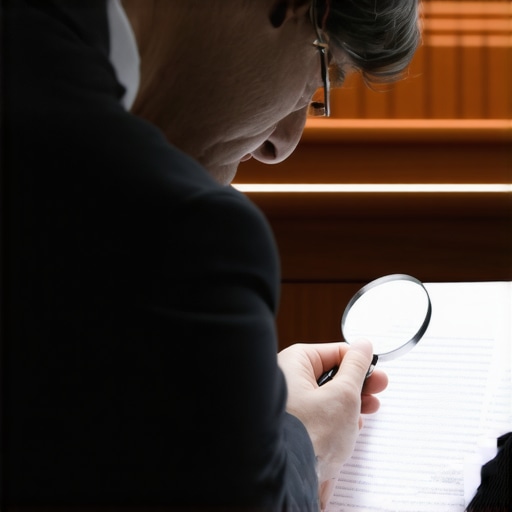
The air in a high-stakes courtroom smells like ozone and mint. It is a sterile, electric environment where the slightest procedural tremor can collapse a multi-year investigation. I watched a client lose their entire claim in the first ten minutes of a deposition because they ignored one simple rule about silence. They felt an itch to fill the void left by a calculating prosecutor. This same psychological desperation often leads defendants to comply with law enforcement even when the legal authority for a search has evaporated. In the world of DUI legal strategy, the clock is not just a measurement of time; it is a jurisdictional boundary. When a warrant expires, the power of the state to pierce your privacy ceases to exist. My firm approaches these failures with the clinical precision of a surgeon. We do not look for excuses. We look for the exact second the state’s leverage died.
The clock that kills a conviction
Expired search warrants invalidate the seizure of evidence because judicial authorization is strictly limited by statutory timelines and procedural rules. If a dui lawyer proves the blood draw or vehicle search occurred after the expiration date, the Fourth Amendment requires suppression of evidence. Procedural mapping reveals that many officers overlook the specific hour of expiration. Case data from the field indicates that a warrant signed at 2:00 PM on a Friday is often treated as valid for a full ten days, yet the minute the clock strikes 2:01 PM on the final day, the document is a worthless piece of paper. This is not a technicality. It is the law. While most practitioners focus on the probable cause within the affidavit, the superior move is to audit the timestamp of execution against the return of service. The prosecution relies on the assumption that you will not check the math.
“Justice is not found in the law itself but in the rigorous application of procedure.” – Common Law Maxim
Why the ten day rule matters
Federal Rule of Criminal Procedure 41 and various state statutes dictate that search warrants must be executed within a specified timeframe, typically not exceeding ten days. A dui attorney must verify the warrant return to ensure the inventory of seized property was filed correctly. Information gain suggests that the strategic play is often a delayed motion to suppress, allowing the officer to commit to a false timeline in preliminary testimony before introducing the physical warrant return. If the search occurred on day eleven, the state has no defense. The dui defense begins and ends with the document’s shelf life. Probable cause is a perishable commodity. What was true on a Monday may no longer be true by the following Thursday. If the warrant sits on a desk while the evidence changes, the constitutional basis for the search rots. You must call an attorney who treats the calendar as a weapon.
What the defense discovers in the return
Search warrant returns provide a forensic record of exactly when, where, and how law enforcement executed the judicial order. The dui legal team examines the return of service for discrepancies between the officer’s logs and the clerk’s file stamp. Many jurisdictions require the officer to leave a copy of the warrant and a receipt for the property taken. If the officer failed to do this because they were rushing an expired warrant through, the search is vulnerable. Procedural zooming shows that the inventory list must be signed under penalty of perjury. If that signature is missing or the date is backdated, the integrity of the entire chain of custody is shattered. This is where cases are won. We do not argue about whether you were drinking; we argue about whether the officer had the legal right to touch your blood at 3:15 AM on a Tuesday.
“The Fourth Amendment’s protection against unreasonable searches and seizures is not a mere formality but a foundational constraint on state power.” – American Bar Association Standards for Criminal Justice
The hidden decay of probable cause
Stale probable cause occurs when the factual basis for a search warrant is no longer relevant due to the passage of time. A dui attorney understands that blood alcohol content dissipates quickly, making the timing of the warrant the most significant factor in litigation. If the warrant was issued for a specific location but the defendant was moved to a hospital, the warrant may no longer apply to the new venue. The state will try to use the good faith exception to save their case. Our job is to prove that the expiration was so obvious that no reasonable officer could have believed the warrant was still active. While some tell you to plead out early, the strategic play is to wait for the discovery phase to reveal the dispatch logs. These logs often show the officer knew the clock was ticking and chose to bypass the law anyway.
How to challenge the judicial signature
Judicial oversight requires a neutral and detached magistrate to sign the search warrant, but the validity of the warrant ends the moment the expiration period passes. Your dui defense must scrutinize the magistrate’s notes for any unauthorized extensions of the search window. If a judge attempts to extend a warrant over the phone without a new affidavit, the extension is void. Every dui lawyer knows that the warrant process is often a rubber stamp. By challenging the expiration, we force the court to acknowledge the state’s negligence. This creates leverage for a dismissal or a significantly reduced plea. The law is a series of gates. If the state fails to walk through the gate before it closes, they are trespassing. Your dui legal representative is the one who locks the gate behind them.