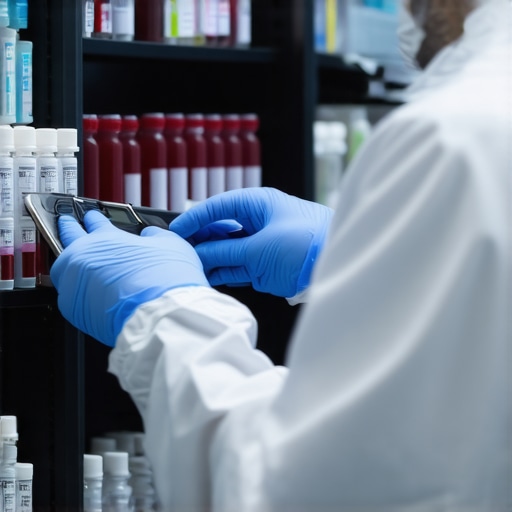
I watched a client lose their entire DUI defense in the first ten minutes of a hearing because they assumed the blood kit was sterile and the procedure was followed. They were wrong. I spent the next four hours at that hearing proving that the phlebotomist used an alcohol based swab before the needle hit the vein. That one mistake contaminated the entire sample and turned a high blood alcohol concentration into a piece of useless garbage. Most people think a lab result is the final word on their guilt. They are wrong. It is just the beginning of a long and dirty fight over procedure and logistics.
The myth of the infallible lab result
DUI defense starts with the premise that blood evidence is fragile and prone to human error. Every dui legal expert knows that a lab report is merely a data point, not a verdict. Challenging the chain of custody means exposing the gaps in the sample’s life cycle from arm to evidence locker. Cases are won by finding the seconds and minutes where the blood was left unattended or uncooled. This is not about the science of alcohol metabolism; it is about the physics of storage and the failures of the bureaucratic paper trail. If a dui lawyer cannot account for every hand that touched that vial, the evidence is compromised. We do not look for perfection; we look for the inevitable cracks in the system that occur when tired cops and overworked lab techs take shortcuts. The prosecution wants you to believe the machine is perfect, but the machine is only as good as the integrity of the sample fed into it. When we talk about a dui attorney investigating a case, we are talking about a forensic autopsy of a process that is designed to fail under intense scrutiny. This involves examining the transport logs, the temperature of the refrigeration units, and the exact timestamp of every entry into the evidence management system.
“Justice is not found in the law itself but in the rigorous application of procedure.” – Common Law Maxim
The refrigeration gap that kills the case
Blood is an organic material that begins to decay the moment it leaves the body. Without immediate and constant refrigeration, the process of fermentation can occur. This is not some legal theory; it is a biological reality. If the sample sat in a police cruiser’s glove box in the humid heat of a local summer for three hours, the yeast in the blood can produce its own alcohol. This leads to a false positive or an artificially inflated reading. A dui lawyer will demand the logs for the specific refrigerator where your blood was stored. We look for spikes in temperature or signs that the unit was failing. We look for power outages that might have compromised the stability of the preservatives. Sodium fluoride is added to these tubes to prevent this exact process, but if the concentration is wrong or the tube is expired, the preservative fails. We check the lot numbers. We check the expiration dates. We look for the smallest deviation from the standard operating procedure because that deviation is where your freedom lives.
Where the vial goes to die
Chain of custody is the chronological documentation of the seizure, control, and analysis of evidence in a dui legal proceeding. Any break in this link creates a window for tampering or contamination. The burden of proof lies with the state to show the sample was never compromised. I have seen cases where the blood kit sat on a desk in an open office for four days before being logged into the laboratory. That is not just a mistake; it is a fatal procedural error. The court needs to know who had the key to the locker. They need to know why the courier took a two hour detour on the way to the state lab. Case data from the field indicates that up to fifteen percent of blood samples have some form of logging discrepancy that can be exploited by an aggressive dui attorney. We are not just looking at the paper; we are looking at the digital metadata. Every time a barcode is scanned, it creates a digital footprint. If those footprints do not match the manual logs, the credibility of the entire lab goes out the window.
The hidden chemistry of the gray top tube
The standard kit for a DUI blood draw uses a gray top tube containing two specific chemicals: potassium oxalate and sodium fluoride. One is an anticoagulant, and the other is a preservative. The exact ratio of these chemicals to the volume of blood is vital. If the nurse does not fill the tube to the proper level, the chemical balance is skewed. This can lead to hemolysis, the rupturing of red blood cells, which can interfere with the gas chromatography results. When you call an attorney, you need someone who knows the difference between whole blood and serum testing. The legal limit is based on whole blood, but labs often test serum, which results in a reading that is twenty percent higher than the truth. This is the kind of detail that a settlement mill will miss, but a trial lawyer will use to dismantle the state’s expert witness on the stand. We question the phlebotomist about the number of times they inverted the tube. If they did not flip it the required eight to ten times, the chemicals did not mix, and the sample is already decomposing before it hits the lab.
The forensic analyst on the hot seat
Cross examining a lab technician requires a deep understanding of gas chromatography and mass spectrometry. The defense must challenge the calibration records of the machines and the certification of the operator. Information gain is found in the maintenance logs that reveal the machine’s history of errors. While most lawyers tell you to sue immediately, the strategic play is often the delayed demand letter or the wait for the full discovery packet to let the defendant’s insurance clock run out or for the lab’s internal audit to reveal systemic failures. We ask for the chromatograms. These are the visual representations of the alcohol levels in your blood. If the peaks on the graph are not sharp, it indicates that the machine was not properly cleaned or that there was carryover from the previous sample. This is how we prove that the machine was literally remembering the alcohol from the guy who was tested before you. It is a technical, boring, and highly effective way to win a case that everyone else said was a loser. We do not accept the number on the paper as truth; we treat it as an unverified claim that must be proven beyond a reasonable doubt.
“The integrity of the evidence is the bedrock of the judicial process, and any erosion of that bedrock threatens the stability of the entire system.” – American Bar Association Journal
The human error in the machine
Behind every automated lab result is a human who could be having a bad day. We look for the technician’s individual error rate. We look for their training records. Have they been disciplined for lab protocol violations in the past? Procedural mapping reveals that the most common point of failure is not the machine itself, but the manual pipetting of the sample into the vials. If the tech was rushing to get through a stack of samples before the weekend, they could have easily cross contaminated your blood. We demand the logs for every sample processed on that machine that day. If there is a pattern of high readings followed by low readings, it suggests an issue with the equipment’s baseline. A dui attorney who knows what they are doing will not just look at your results; they will look at the results of the twenty people who were tested before you to find the ghost in the machine.
The final verdict on procedural integrity
Every step of the process is a battlefield. From the moment the officer decides to request a blood draw to the moment the analyst signs the final report, there are a thousand ways for the truth to be obscured. Your dui defense depends on finding the one error that the police hoped you would not notice. We look at the warrant. Was it specific enough? We look at the consent form. Was it coerced? We look at the phlebotomist’s license. Was it current? The law is a game of inches, and in a blood case, those inches are measured in milliliters and degrees Celsius. If you are facing a charge based on blood evidence, do not assume the battle is over. The state has a mountain of evidence, but that mountain is built on a foundation of paperwork. If we can pull one sheet from the bottom, the whole thing comes crashing down. This is the brutal truth of the legal system: it is not about what happened; it is about what they can prove happened within the strict confines of the law.