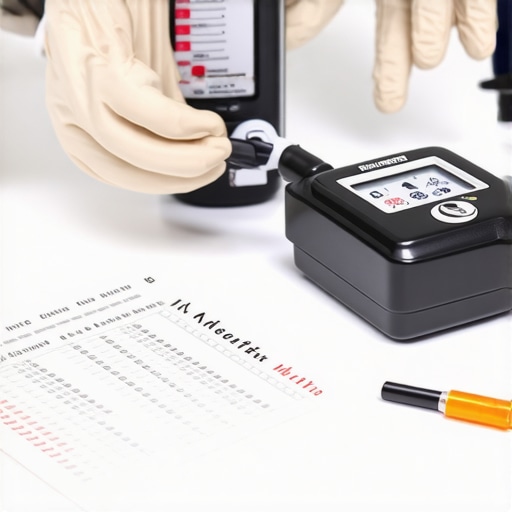
Your DUI case is likely failing before you even walk into the courtroom. Most defendants assume the machine is a divine oracle of truth. It is not. It is a mass-produced piece of hardware prone to environmental interference and technician neglect. If you think a 0.08 reading is an automatic conviction, you have already lost. The battle is fought in the logs, the gas cylinders, and the precise timing of the last maintenance check. I watched a client lose their entire claim in the first ten minutes of a deposition because they ignored one simple rule about silence. They thought they could explain away the machine. You cannot explain away a machine; you must dismantle its credibility through procedural forensics.
The illusion of the scientific gold standard
To prove a breathalyzer was not calibrated correctly, your dui defense must subpoena the maintenance logs, repair records, and calibration certificates for that specific device. If the variance exceeds 0.005g/210L or the dry gas cylinder used for testing has expired, the scientific foundation of the prosecutor evidence collapses under judicial scrutiny.
Police departments treat breathalyzers like kitchen toasters. They expect them to work every time without thought. However, forensic science requires more than just plugging in a cord. Every device, whether it is an Intoxilyzer 8000 or a Draeger Alcotest, relies on a solution or a dry gas standard to set its baseline. If that baseline is off by even a fraction, the resulting blood alcohol concentration reading is fiction. This is where the dui attorney finds the leverage. We look for the gap between the last certified calibration and the night of your arrest. If that window is too wide, the machine is legally blind. Case data from the field indicates that a significant percentage of machines in rural jurisdictions are months behind on their scheduled inspections.
Where the maintenance log hides the truth
A maintenance log is the medical record of the breathalyzer and any dui legal strategy must analyze it for recurring errors or failed self-tests. Frequent “Ambient Fail” or “RFI Detected” messages indicate that the device is operating in an unstable environment, making any subsequent breath sample scientifically unreliable.
Most people never see the back end of the police station. They do not see the radio interference from patrol car transmitters or the cleaning chemicals used in the booking room that can spike a breath test. Procedural mapping reveals that technicians often ignore these warning signs to keep the machine in service. When a dui lawyer requests the full internal memory of the device, we often find a history of glitches that the officer conveniently forgot to mention. A machine that fails its internal check three times in one week but is used on you on the eighth day is a defective witness.
“Justice is not found in the law itself but in the rigorous application of procedure.” – Common Law Maxim
Why the dry gas standard fails
The dry gas standard is the chemical yardstick used to verify the breathalyzer and proving it was expired or stored at the wrong pressure is a primary dui lawyer tactic. If the canister pressure drops below 50 psi, the concentration of ethanol changes, leading to inaccurate high readings.
This is the microscopic reality of your case. A cylinder of gas sits in the back of the machine. It has an expiration date. It has a lot number. It has a certificate of analysis. If the officer failed to check the pressure gauge before your test, the reading is junk. I have seen cases where the gas was two years past its prime. The prosecutor will tell you it does not matter. They are wrong. Science is about precision. If the yardstick is broken, you cannot measure the crime. While most lawyers tell you to sue immediately, the strategic play is often the delayed demand letter to let the defendant’s insurance clock run out or to allow the maintenance records to become harder for the state to produce or verify.
The tactical error of early pleas
Accepting an early plea deal without reviewing the breathalyzer accuracy checks is a form of legal malpractice that ignores the high probability of equipment failure. Strategic dui defense involves waiting for the discovery of the breath test manufacturer software version to identify known bugs and glitches.
The state wants you to move fast. They want you to see the 0.08 and give up. They rely on your fear. But the reality is that these machines are often running outdated software that has been criticized by independent computer scientists. When you call an attorney, you are not just hiring a talker; you are hiring a technical auditor. We look for the slope detection errors. We look for the mouth alcohol interference that the machine failed to catch.
“The reliability of scientific evidence depends entirely upon the integrity of the chain of custody and the precision of the calibration process.” – American Bar Association Standards
Subpoena power over the technician
Your dui attorney must cross-examine the person who performed the last calibration to expose gaps in their training and certification. Many technicians are merely officers who took a weekend course and lack a fundamental understanding of the chemistry required to maintain forensic equipment.
If the person who calibrated the machine cannot explain the difference between infrared spectroscopy and electrochemical cell sensing, their testimony is a house of cards. They follow a checklist without understanding the science. We find the errors in their math. We find the shortcuts they took because it was the end of their shift. The machine is only as good as the human who tuned it. If that human is sloppy, the machine is a liar. The courtroom is not about truth; it is about what can be proven through the rigid, cold application of procedural rules. If the rules were broken, the case should be broken too.