I watched a client lose their entire claim in the first ten minutes of a deposition because they ignored one simple rule about silence. They thought they could explain away the scientific data. They were wrong. The courtroom does not care about your intentions or your character when a state lab report says you were at a point zero nine. It is a cold, clinical environment where the only thing that speaks louder than a badge is a gas chromatograph. If you are facing a DUI charge, you are not just fighting a police officer. You are fighting a government-funded laboratory that relies on the assumption that you will not hire someone who knows how to tear their machinery apart. Most people hire a settlement mill. They pay a flat fee and get a lawyer who shakes hands with the prosecutor and signs a plea deal. That is not defense. That is an expensive surrender. You need a DUI attorney who understands the molecular reality of blood alcohol testing. You need a strategist who knows that the smell of strong black coffee in a law office means work is actually being done, not just papers being shuffled. Science is the only lever long enough to move the weight of a state prosecution.
The science behind the blood draw
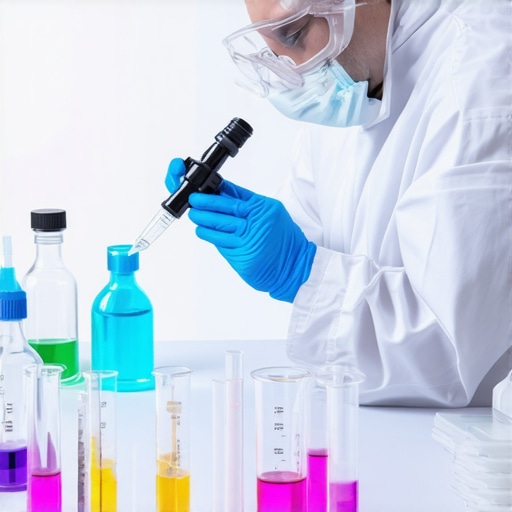
Forensic toxicology in DUI cases involves analyzing blood samples via gas chromatography to determine ethanol concentration. A specialist identifies errors in specimen collection, fermentation, and preservation. This scientific scrutiny is the only way a DUI attorney can challenge the state’s chemical evidence effectively and win a dismissal. The process starts at the moment the needle enters your arm. If the technician used an alcohol-based swab to clean the site, the entire sample is contaminated. This is basic. Yet, I see dozens of cases where the defense lawyer never even looked at the nurse’s notes. A forensic toxicology expert will examine the vacuum seal on the vial. They will look for the expiration date of the sodium fluoride preservative. If that chemical fails, the blood can ferment. Fermentation creates its own alcohol. Suddenly, a sober person looks like a criminal because of a chemical reaction in a tube. You need someone who can explain this to a jury without sounding like a textbook. They need to see the flaws in the machine. Case data from the field indicates that state labs often run samples in batches, leading to carry-over contamination. If the previous sample was high, yours might be too. This is not a theory. It is a documented failure of the laboratory workflow.
“Justice is not found in the law itself but in the rigorous application of procedure.” – Common Law Maxim
Where the state labs fail you
State laboratories operate under massive backlogs and high pressure to produce results for the prosecution. This environment leads to ignored maintenance protocols and shortcutting the calibration of sensitive instruments. A DUI lawyer must audit the internal laboratory records to find these specific procedural failures and suppress the evidence. Procedural mapping reveals that the most common point of failure is the internal standard. Every time a machine runs a test, it must compare your blood to a known quantity. If that standard is old or poorly mixed, every result is a lie. The defense must demand the underlying data, not just the summary sheet. The summary sheet is the PR version of the truth. The raw data is where the bodies are buried. Most DUI legal teams never ask for the chromatograms. They just accept the number on the paper. That is negligence. A true specialist looks at the baseline noise in the graph. If the peaks are not sharp, the machine is shouting through static. You cannot base a conviction on static. The brutal truth is that many lab techs are just button-pushers who do not understand the chemistry of what they are doing. When you call an attorney, ask them if they know what a flame ionization detector is. If they blink, hang up.
The cross examination of the state expert
Cross examining a state toxicologist requires a deep understanding of partition ratios and the physiological differences in alcohol metabolism. An expert DUI defense focuses on the margin of error and the lack of specificity in infrared breath testing. This tactical approach forces the prosecution to admit uncertainty. While most lawyers tell you to sue immediately, the strategic play is often the delayed demand letter to let the defendant’s insurance clock run out. This same patience applies to the courtroom. You let the state expert build their tower of certainty. Then you pull the bottom brick. You ask about the uncertainty of measurement. Every measurement has a plus or minus. If the lab says you were a point zero eight but the uncertainty is point zero zero nine, you were legally sober. The jury needs to hear that the state is guessing. A DUI attorney must be aggressive here. There is no room for politeness when your license and freedom are on the line. I have seen experts fold when asked about the specific temperature of the breathalyzer’s fuel cell. They do not expect you to know the logistics. They expect you to roll over.
“The integrity of the forensic process is the bedrock of a fair trial, and without it, the verdict is mere guesswork.” – ABA Standards for Criminal Justice
How to find a specialist
Finding a specialist who understands forensic toxicology requires looking for trial experience and specific scientific certifications. You should look for an attorney who works with independent labs and has a history of taking cases to verdict. Avoid lawyers who prioritize quick settlements over technical litigation. You want the person who smells like coffee and looks like they have not slept because they were reading a three-hundred-page manual on the Intoxilyzer 9000. Look for the lawyer who talks about the