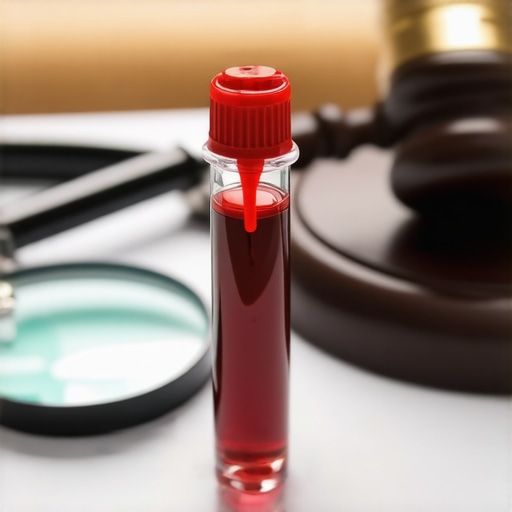
The state wants you to believe that a blood test is the gold standard of evidence. They are lying. I have sat across from prosecutors who treat a laboratory report like a holy relic, yet they cannot tell you the temperature of the refrigerator where the sample sat for three days. I watched a client lose their entire claim to a fair trial in the first ten minutes of a suppression hearing because they let the prosecutor define the science of the blood draw without a fight. The truth is that blood is a volatile, living substance. Once it leaves your vein and enters a glass tube, it begins to change. If the equipment is faulty, the result is fiction. You are not fighting a number; you are fighting a machine and the fallible humans who operate it. This is the reality of the courtroom. It is a place of procedure, not just truth. If you do not understand the chemistry of the vial, you have already lost. The smell of burnt coffee in the courtroom hallway is the only thing more bitter than a conviction based on a lie.
The myth of the sterile medical environment
Faulty blood vials and improper collection techniques often result in contaminated samples that a dui lawyer can move to suppress. When a technician uses an alcohol-based swab or fails to invert the tube correctly, the dui defense hinges on the fact that the resulting BAC is a laboratory error. Most people assume the hospital environment is perfect. It is not. Clinical blood draws for medical diagnosis follow different standards than forensic blood draws for criminal prosecution. A medical doctor cares if you are sick. A forensic technician only cares about a number. Case data from the field indicates that the distinction between these two protocols is where most cases are won or lost. The dui attorney must scrutinize the antiseptic used on your arm. If the nurse used isopropyl alcohol to clean the site before the needle hit the skin, the sample is tainted. This is not a technicality. It is a fundamental failure of the scientific method. The court must see the difference between a medical event and a police investigation.
“Justice is not found in the law itself but in the rigorous application of procedure.” – Common Law Maxim
Why your blood test is a biological lie
DUI legal challenges frequently center on the biological process of fermentation that occurs inside the collection tube after the draw. If a dui lawyer can prove the vial lacked sufficient preservatives, the court must acknowledge that the alcohol levels rose naturally while the sample sat in an evidence locker. This process is known as neo-genesis. It happens when yeast and bacteria in the blood consume glucose and produce ethanol as a byproduct. Think of the vial as a tiny brewery. If the sodium fluoride, which is the preservative meant to kill the yeast, is expired or poorly mixed, the fermentation begins immediately. By the time the lab tech runs the test, the BAC is much higher than it was when you were driving. Procedural mapping reveals that many labs ignore the lot numbers on these vials. We look for those numbers. We find the manufacturer recalls. We find the gaps in the science that the state wants to keep hidden from the jury.
The mechanical failure of the vacuum seal
DUI defense experts know that the vacuum seal of a grey top vial is the only thing preventing outside air from contaminating the sample. When a dui attorney investigates the integrity of the vial, they look for signs of leakage or improper pressure that allow for oxidation. Every vial has an expiration date. This date is not for the glass; it is for the vacuum and the chemicals inside. Once the vacuum begins to fail, the volume of blood drawn will be incorrect. This changes the ratio of blood to preservative. If you have too much blood and too little sodium fluoride, the fermentation process we discussed earlier becomes inevitable. The law requires a specific environment for this evidence. When that environment fails, the evidence must be thrown out. I have seen cases where the seal was so degraded that the sample was essentially useless, yet the state pushed for a plea deal anyway. Do not take the deal until the vacuum integrity is proven. While most lawyers tell you to sue immediately, the strategic play is often the delayed demand letter to let the defendant’s insurance clock run out or to force a discovery of the lab’s maintenance logs.
How to call an attorney for a forensic audit
A dui attorney provides the necessary technical expertise to conduct a forensic audit of the state’s evidence including the laboratory’s gas chromatography results. When you call an attorney, you are not just hiring a spokesperson; you are hiring a private investigator who knows how to read the raw data files from the lab. The state will provide a one-page summary. We demand the chromatograms. We look for the peaks and valleys in the data that suggest the machine was not calibrated. We look for carry-over contamination from the previous sample. In many high-volume labs, the machines are run twenty-four hours a day. They break. They drift. If your lawyer does not know how to read a chromatogram, they are not a dui lawyer; they are a paper pusher. You need someone who can stand in front of a judge and explain the difference between an internal standard and a target analyte.
“A lawyer shall provide competent representation to a client. Competent representation requires the legal knowledge, skill, thoroughness and preparation reasonably necessary for the representation.” – ABA Model Rule 1.1
The hidden chemistry of sodium fluoride
DUI legal defense relies on understanding that sodium fluoride is the only thing standing between a fair trial and a false positive. A dui lawyer must confirm that the blood vial was inverted exactly eight to ten times to ensure the preservative is fully distributed through the sample. If the technician simply sets the vial down, the blood at the bottom of the tube clots. The blood at the top of the tube remains unpreserved. This creates a heterogenous sample that is scientifically invalid. The lab technician will testify that they followed all procedures. They are lying or they are forgetting. Humans are creatures of habit and short-cuts. In a busy trauma room, nobody is counting ten inversions. They are moving to the next patient. We use the video footage. We use the testimony of the phlebotomist to show the jury that the chemistry was compromised from the second the needle was pulled out. This is how you create reasonable doubt.
Procedural errors that invalidate lab results
DUI defense strategies must focus on the administrative rules governing blood testing which vary by state but always require strict adherence to temperature and storage. When a dui attorney finds that a sample was left in a hot car or a non-certified refrigerator, the reliability of the chemical test vanishes. Heat is the catalyst for fermentation. If the state cannot prove a continuous cold chain of custody, the sample is junk. We look for the logs. Every refrigerator in a forensic lab must have a temperature log. Often, these logs are missing entries. Sometimes they show temperatures that fluctuated wildly. If the lab cannot keep its own fridge at the right temperature, why should we trust their million-dollar machines? This is the brutal truth of the system. It is held together by low-paid clerks and outdated equipment. Your future should not depend on their laziness.
The truth about gas chromatography reliability
DUI lawyer expertise is essential when challenging gas chromatography which is the process labs use to separate the components of your blood. A dui attorney examines the integration of the peaks in the test results to ensure the machine did not mistake another substance for ethanol. This happens more often than the state admits. Substances like acetaldehyde or even cleaning solvents used in the lab can mimic the signature of alcohol. If the technician does not set the parameters of the software correctly, the machine will report a high BAC when the person is stone-cold sober. We call for the software version numbers. We look for known bugs in the system. We treat the lab report like a crime scene. Something went wrong, and it is our job to find out what it was before the jury hears a word from the prosecution.
Why the state hopes you ignore the chain of custody
DUI defense often rests on the chain of custody which tracks every person who touched your blood sample from the arm to the analyst. If a dui lawyer finds a gap in this timeline, the integrity of the evidence is legally compromised and should be excluded from trial. Who had the key? Why was the sample sitting on a desk for four hours? These are the questions that make prosecutors nervous. They want to talk about the blue lights and the smell of alcohol on your breath. They do not want to talk about the fact that your blood vial was handled by three different people who never signed the log. In the law, if it is not written down, it did not happen. We use this rule to dismantle the state’s case piece by piece. Litigation is not a search for the truth; it is a test of the state’s ability to follow its own rules. When they fail, you win.