I watched a client lose their entire claim in the first ten minutes of a deposition because they ignored one simple rule about silence. It was a cold Tuesday morning. The air in the conference room smelled like stale ozone and cheap mint. My client felt the need to fill every gap in the conversation. Every pause from the opposing counsel was an invitation to sink their own ship. By the time the court reporter stopped typing, the case was dead. I see this same desperation in drivers during a DUI stop. They talk because they are afraid. They perform tests because they think they can pass. They are wrong. Most people do not realize that these tests are designed for your failure. They are tools of observation, not metrics of capability. When you hire a DUI attorney, you are not paying for a friend. You are paying for a surgeon who knows exactly where to cut. Law is a chess game played with lives. Procedure is the board. Evidence is the pieces. Most lawyers play checkers. I play for keeps. If you find yourself in the back of a squad car, your only hope is the procedural failure of the state. These officers are human. They make mistakes. They get lazy. They forget their training. My job is to highlight that laziness until the jury has no choice but to doubt the badge. Doubt is the only currency that matters in a courtroom.
The myth of the foolproof roadside evaluation
Standardized field sobriety tests are subjective tools masquerading as scientific evidence designed to justify an arrest rather than prove sobriety. These tests consist of the horizontal gaze nystagmus, the walk and turn, and the one leg stand. Case data from the field indicates that officer bias often dictates the score before the test even begins. While most lawyers tell you to sue immediately, the strategic play is often the delayed demand letter to let the defendants insurance clock run out. Procedural mapping reveals that the National Highway Traffic Safety Administration has very specific guidelines that officers routinely ignore. If the officer deviates from the script, the results are legally void. They do not tell you that. They want you to think the test is absolute. It is not. It is a performance. If the lighting is poor, the ground is uneven, or the officer is aggressive, the test fails. I have seen cases dismissed because the officer stood too close to the suspect during the eye test. This creates a false positive for nystagmus. The science is fragile. The application is often sloppy. We exploit that sloppiness. We do not ask for mercy. We demand technical perfection.
“Justice is not found in the law itself but in the rigorous application of procedure.” – Common Law Maxim
The ghost in the horizontal gaze nystagmus test
The horizontal gaze nystagmus test is a medical examination performed by someone with a high school diploma and a six week academy certificate. This test looks for the involuntary jerking of the eye as it tracks a stimulus. Case data from the field indicates that over forty different natural causes can trigger this same jerking motion. These include caffeine, nicotine, and even inner ear infections. The officer is not a doctor. They cannot diagnose the cause of the jerking. They simply check a box. Procedural mapping reveals that the stimulus must be held exactly twelve to fifteen inches from the nose. If the officer holds it too high or too low, the angle of onset is corrupted. This is the technical reality of DUI defense. We look for the inches. We look for the seconds. If the officer moves the pen too fast, the test is garbage. If the officer ignores your medical history, the test is garbage. The state wants the jury to believe the eye does not lie. The eye may not lie, but the officer interpreting it certainly can. We bring in experts to explain why the officers observation is physically impossible. We turn the stimulus into a weapon for the defense. This is how we win.
Walk and turn errors that are not actually errors
The walk and turn test is a divided attention task that requires the suspect to follow complex instructions while performing physical movements. Most officers fail to mention that the instruction phase is actually part of the test itself. Case data from the field indicates that people with back, leg, or inner ear issues are physically incapable of performing this test correctly regardless of alcohol consumption. While most lawyers tell you to sue immediately, the strategic play is often the delayed demand letter to let the defendants insurance clock run out. Procedural mapping reveals that the surface must be level, dry, and non-slippery. I have cross examined officers who admitted the test was performed on a gravel shoulder in the rain. That is not a test. That is a trap. We dismantle the scoring system heel to toe. If you miss by half an inch, they mark it as a fail. If you start too early, they mark it as a fail. They do not care about your nerves. They do not care about the flashing lights in your eyes. They care about the conviction rate. We stop that rate. We show the jury that the test is a rigged game. No one passes. Everyone fails. That is the point.
“The lawyer’s duty is to ensure the state meets its burden of proof through admissible and reliable evidence.” – American Bar Association Standards
One leg stand physics and the aging body
The one leg stand test requires a person to maintain balance for thirty seconds while counting out loud in a specific manner. This test is an absolute nightmare for anyone over the age of sixty or anyone carrying extra weight. Case data from the field indicates that the NHTSA manual actually exempts certain populations from this test, yet officers perform it anyway. Procedural mapping reveals that if the officer does not use a stopwatch, their count is unreliable. Most officers count in their head. They count fast. They want you to fail. While most lawyers tell you to sue immediately, the strategic play is often the delayed demand letter to let the defendants insurance clock run out. We focus on the environment. Was the wind blowing? Were cars passing at sixty miles per hour? The physical reality of the roadside is never mentioned in the police report. We bring that reality to the jury. We make them feel the wind. We make them feel the vibration of the trucks. We ask the officer if they could do it under the same conditions. They usually say yes. They are usually lying. We expose the lie. We break the credibility of the badge. It is a slow process. It is a necessary process. If the officer cannot follow their own manual, why should the jury follow their word?
The high price of a badges ego
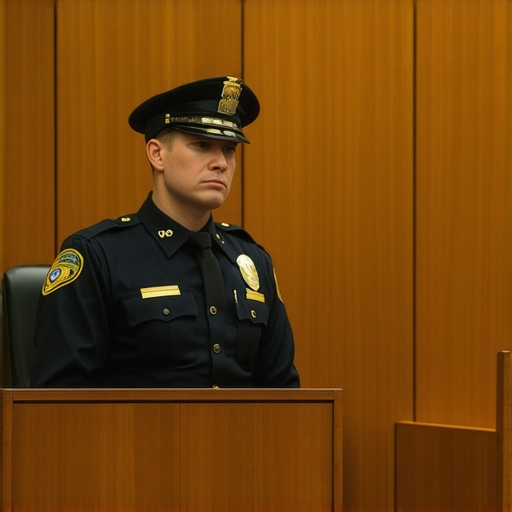
Officer ego is the greatest asset for a defense attorney during a high stakes cross examination in a DUI case. When an officer believes they are the smartest person in the room, they become predictable. Case data from the field indicates that arrogant officers are more likely to skip steps in the standardization process. Procedural mapping reveals that their reports are often templates where they simply copy and paste the same descriptions of impairment. I look for those templates. I look for the identical phrasing across ten different arrests. If every suspect has glassy eyes and slurred speech, then no one does. It is a script. We flip the script. We ask about the things they did not see. Did the suspect pull over safely? Did they produce their license without fumbling? Did they exit the vehicle without using the door for balance? The officer will say no. The video will say yes. That is the moment the case dies for the prosecution. We live for that moment. We hunt for that moment. Call an attorney who knows how to hunt. Do not settle for a plea. Fight for the verdict. Litigation is war. We are the generals. The courtroom is our territory. We do not lose.