The chemistry of a false positive
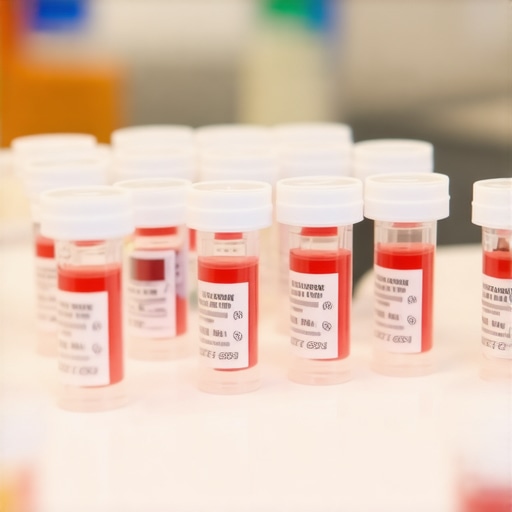
Blood sample storage errors and chemical degradation create false DUI evidence because improper handling allows for enzymatic activity that produces ethanol in the vial. A skilled DUI lawyer looks for refrigeration logs and preservative levels to challenge the blood alcohol concentration results in a court of law or criminal trial.
I watched a client lose their entire claim in the first ten minutes of a deposition because they ignored one simple rule about silence. In DUI litigation, the same principle applies to the evidence itself. The state expects you to remain silent while they present a blood vial as an absolute truth. They want you to believe that the number on the paper is an infallible reflection of your biology. It is not. Most of the time, that vial has been sitting in a hot squad car or a broken lab refrigerator, slowly turning into a small science experiment. I smell the stale coffee in the courtroom and I see the prosecutor’s confidence. It is my job to destroy that confidence with the cold reality of forensic chemistry.
Your case is likely failing right now because you believe the lab technician was competent. Most are not. They are overworked government employees processing hundreds of samples a week. When a blood sample is drawn, it must be mixed with specific amounts of sodium fluoride and potassium oxalate. If the ratio is off, or if the vial is not inverted exactly eight times, the process of glycolysis begins. This is not a theory. This is a chemical certainty.
“Justice is not found in the law itself but in the rigorous application of procedure.” – Common Law Maxim
Why the lab refrigerator is your best witness
Forensic lab storage requirements mandate that blood samples stay within a narrow temperature range to prevent the growth of yeast and bacteria. When DUI defense experts examine maintenance records, they often find refrigeration failures that allow Candida albicans to ferment the glucose in your blood, artificially raising the BAC level significantly.
The defense rarely asks about the refrigerator. They should. I have seen cases where the lab’s cooling unit spiked ten degrees over a weekend. That spike is enough to trigger fermentation. If the preservative in the tube, the sodium fluoride, is insufficient or poorly mixed, the yeast in your blood starts to eat the sugar. The byproduct of that feast is alcohol. The state is then charging you for alcohol that your body didn’t consume, but that a glass tube produced after the fact. This is the