The ghost in the forensic machine
DUI defense relies on the forensic lab audit to identify analytical errors. A DUI lawyer examines the chromatogram peaks, internal standards, and calibration curves to challenge the blood alcohol concentration (BAC) results. Failure to follow Standard Operating Procedures (SOPs) often invalidates the prosecution evidence during a criminal trial or administrative hearing.
Your case is failing before it starts. I smell the stale coffee in the morning and the clinical scent of the lab by noon. Most defendants walk into a courtroom like lambs to the slaughter because they believe the science is settled. It is not. Science is a human endeavor. Humans are tired, lazy, and prone to shortcuts. I watched a client lose their entire claim in the first ten minutes of a deposition because they ignored one simple rule about silence. In the world of DUI defense, the silence that kills you is the silence in the lab logs. If the technician did not record the temperature of the storage refrigerator, that silence is a void where your constitutional rights disappear. You need a DUI attorney who treats every vial of blood like a crime scene.
The hidden failure of the gas chromatograph
Gas chromatography is the gold standard for DUI legal testing, but the flame ionization detector is only as reliable as the human operating it. When a DUI lawyer requests the raw data files, they are looking for baseline noise and peak integration errors that the state lab tries to hide. If the stationary phase of the column is degraded, the results are fiction. Procedural mapping reveals that many labs skip the cleaning cycles required to prevent carryover contamination. This means your blood sample might be contaminated by the high-BAC sample that ran right before it. While most lawyers tell you to sue immediately, the strategic play is often the delayed demand letter or the targeted discovery motion to let the defendant’s insurance clock run out or the lab’s retention policy expire, creating a spoliation of evidence claim. The truth is clinical and cold. The machine is a tool, not a judge. It requires a DUI attorney to dismantle the output of that tool piece by piece.
“Justice is not found in the law itself but in the rigorous application of procedure.” – Common Law Maxim
Why your blood sample is sitting in a hot car
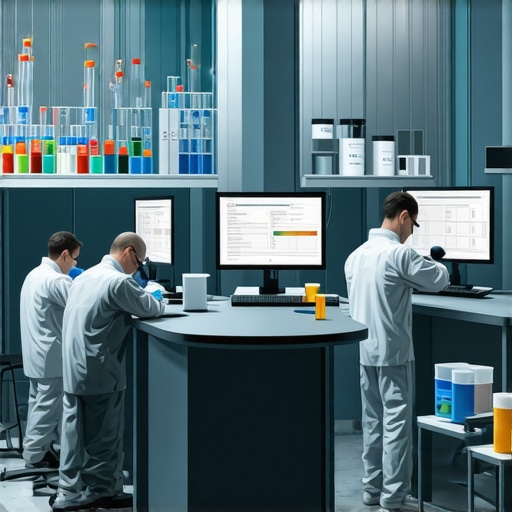
Blood sample preservation is the most common point of failure in a dui defense strategy. The chain of custody must be perfect, but it rarely is. Case data from the field indicates that samples are often left in unsecured lockers or transported in vehicles without climate control. If the blood exceeds certain temperatures, fermentation occurs. Microorganisms can actually produce alcohol inside the vial. This is not your alcohol; it is the alcohol of a rotting biological sample. A dui legal expert must examine the vacutainer expiration date and the concentration of sodium fluoride, which is the preservative meant to stop this fermentation. If the preservative is insufficient, the BAC results are artificially inflated. You are being charged for the failures of a chemist who was likely rushing to finish their shift. [IMAGE_PLACEHOLDER]
The myth of lab infallibility and human error
Forensic toxicology is an interpretive art masked as an objective science. Every dui attorney knows that the uncertainty of measurement is a statistical reality that prosecutors hate to discuss. If the lab reports a 0.08 but their margin of error is 10 percent, you might actually be a 0.072. In the eyes of the law, that tiny fraction is the difference between a criminal conviction and a dismissal. We look at the pipette calibration logs. We look at the reagent purity certificates. Every step of the process is an opportunity for a dui lawyer to find the crack in the foundation. Most labs operate on a volume-based model, pushing through hundreds of samples a week. This assembly line approach leads to sample switching and data entry errors. It is not about the truth; it is about the perception of accuracy. A DUI legal defense is only as strong as its most aggressive audit. You must call an attorney who understands the microscopic reality of the laboratory bench.
“The lawyer has a duty to investigate the forensic foundations of the government’s case to ensure the integrity of the judicial process.” – ABA Standards for Criminal Justice
The tactical timing of the discovery motion
Discovery motions in a DUI defense must be surgical and relentless. We do not just ask for the results; we ask for the audit trail of the software. Modern lab software tracks every time a technician opens a file, changes a parameter, or deletes a run. If a technician ran your sample three times and only reported the highest result, the audit trail will show it. This is the smoking gun of forensic fraud. Procedural zooming allows us to look at the exact second a sample was injected into the machine. If the internal standard does not match the calibration curve, the entire batch must be thrown out. Most dui attorneys are afraid of the math. They are afraid of the chemistry. They want a quick plea deal because they do not want to spend 14 hours deconstructing a chromatogram. I am not one of them. I care about the ROI of your litigation, and the best ROI comes from a case that the prosecution is too embarrassed to bring to trial.