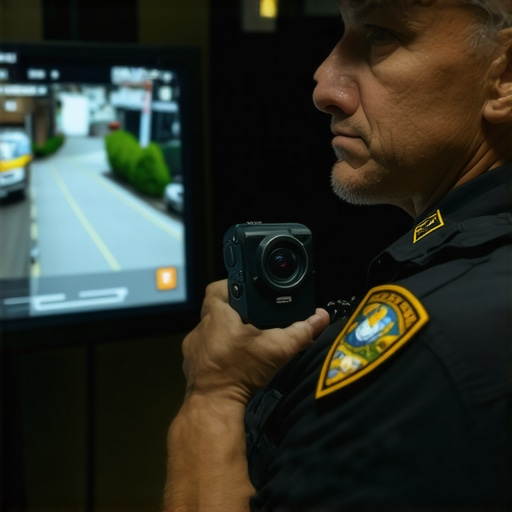
The digital eye in the DUI stop
Using body cam footage to your advantage requires a meticulous review of officer conduct and procedural errors. Strategic dui defense hinges on finding contradictions between the written police report and the video evidence. A dui lawyer uses this footage to challenge the probable cause of the traffic stop. Every frame must be scrutinized for technical flaws that invalidate the arrest. This is not about being friendly with the prosecution. It is about cold, hard evidence that forces a dismissal before the trial even begins.
I watched a client lose their entire claim in the first ten minutes of a deposition because they ignored one simple rule about silence. In that specific dui legal matter, the defendant tried to explain away their performance on the horizontal gaze nystagmus test while the video clearly showed the officer failing to hold the stimulus at the correct distance. The client spoke when they should have listened. If you want to win, you stop talking and let the footage do the heavy lifting. The camera does not have a bias, but the human writing the report certainly does. My job is to find the gap between what the officer said happened and what the lens actually captured. Usually, that gap is wide enough to drive a truck through. If your dui attorney is not frame-stepping through every second of that footage, you are being underserved. You need a strategist who treats every millisecond of digital data as a potential exit ramp from the criminal justice system. Looking at the video once is not a defense. It is a cursory glance. We look for the micro-expressions of the officer, the ambient noise that might interfere with instructions, and the exact timing of the warnings given. This is where cases are won.
[image_placeholder_1]
Why the timestamp is your best witness
Case data from the field indicates that the timestamp on police body cam footage is the most reliable tool for proving procedural violations. In dui defense, the timing of the Miranda warning and the implied consent advisory is everything. If the dui lawyer can prove the officer delayed these warnings, the evidence becomes fruit of the poisonous tree. This procedural zooming allows us to map the entire interaction against the department manual. We look for the moments where the officer turns the camera off or covers the microphone. Those gaps are not accidents. They are opportunities for a dui attorney to argue that the prosecution is hiding exculpatory evidence. We examine the metadata to ensure the footage has not been edited or compressed in a way that hides the truth. If the frame rate is dropped, the physical swaying of a suspect can be exaggerated. We demand the raw files, not the polished versions the DA wants us to see. This is the difference between a plea deal and a Not Guilty verdict. The law is a game of inches and seconds. If you miss a three second gap in the audio, you might miss the moment the officer admitted they did not have reasonable suspicion for the stop. We do not miss those moments.
“Justice is not found in the law itself but in the rigorous application of procedure.” – Common Law Maxim
The failure of the field sobriety test on camera
Procedural mapping reveals that officers frequently deviate from the National Highway Traffic Safety Administration standards during roadside testing. When you call an attorney, the first thing they should ask for is the footage of the walk and turn. In dui legal circles, we know that uneven pavement or passing traffic makes these tests scientifically invalid. The video provides the environmental context that the officer conveniently leaves out of the written narrative. We look at the lighting conditions. We look at the footwear of the defendant. We look at the wind speed. If the officer is shouting over a gust of wind and the defendant cannot hear the instructions, the failure is not due to impairment. It is a failure of communication. A dui lawyer who knows the technical manual for these tests can spot a botched instruction in seconds. Did the officer demonstrate the test? Did they maintain the proper stance? If the video shows the officer failing to follow their own training, the jury will see the officer as the one who is incompetent, not the driver. This is the psychological pivot of the trial. We turn the hunter into the hunted by using their own technology against them. Most defendants think the camera is there to convict them. I see it as the most powerful tool for exoneration ever invented by the state.
The hidden language of officer interaction
While most lawyers tell you to sue immediately, the strategic play is often the delayed demand letter to let the defendant’s insurance clock run out. In the context of dui defense, we wait for the officer to commit to their testimony under oath before revealing the body cam contradictions. This is the ambush. When the officer testifies that the defendant was belligerent, but the video shows a calm, compliant individual, the officer’s credibility is destroyed. A dui attorney must be a master of timing. We look for the ‘hot mic’ moments when officers speak to each other after the arrest. These conversations often reveal their true motivations or their doubts about the arrest. These recordings are gold. They show the internal state of the investigation. If an officer says to his partner, I am not sure we have enough for a blow, that is a gift to the defense. We use these moments to create reasonable doubt. This is not about fluff. It is about the tactical application of recorded speech. We also analyze the background. Is there a witness in the frame that the police ignored? Is there a traffic sign that contradicts the officer’s claim about the speed limit? The camera captures everything, even the things the police were too busy to notice. We find those things.
“The right of the people to be secure in their persons against unreasonable searches and seizures shall not be violated.” – U.S. Constitution
Strategic timing for a motion to suppress
Procedural mapping shows that the motion to suppress is the most effective way to end a case before trial. By using body cam footage, a dui lawyer can prove that the initial detention lasted longer than legally allowed. If the officer kept the driver on the side of the road for forty minutes without a valid reason, the entire stop is unconstitutional. In dui legal strategy, we use the video to count the minutes. We watch the officer’s hands. Are they searching the car without consent? The video will tell the truth. If the dui attorney can show a Fourth Amendment violation, the breath test results are thrown out. This is the brutal truth. The evidence does not matter if the process was broken. We do not care if the BAC was a .15 if the officer did not have the right to pull the car over in the first place. This is where the aggressive trial attorney earns their fee. We do not settle. We litigate the procedure. We force the judge to look at the screen and see the violation. Most judges do not want to see a citizen’s rights trampled on video. It makes for a very difficult ruling for the prosecution. We leverage that discomfort to get the best possible outcome for the client. The lens is the shield and the sword. We know how to swing it.