I watched a client lose their entire claim in the first ten minutes of a deposition because they ignored one simple rule about silence. They thought being helpful would win over the officer. It did the opposite. It gave the prosecution a roadmap to a conviction. Most people believe the law is about fairness. It is not. The law is a set of rigid procedures. If the police skip a step, the evidence should vanish. If you are facing a DUI, you need to understand that the system is designed to process you, not to protect you. You smell the burnt coffee in the precinct and realize the machine is grinding. You are just another file. To win, you must stop being a victim of the process and start being a critic of it.
The myth of the cooperative suspect
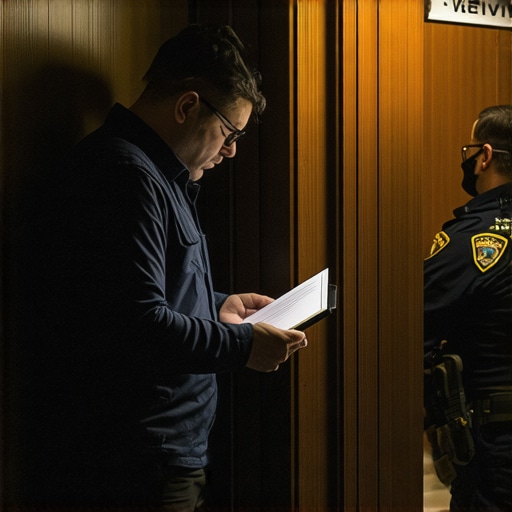
Police officers use rapport to bypass constitutional protections during a DUI stop. If you provide incriminating statements before your dui attorney arrives, you are handing the prosecution a conviction. Suppression of evidence relies on identifying procedural errors and illegal seizures of your person or property. The officer is not your friend. They are a data collector. Every word you say is a data point. Stop talking. Silence is your only leverage. I have seen countless cases where a driver admitted to having two beers and that single sentence destroyed their ability to challenge the breath test later. You think you are being reasonable. The law thinks you are confessing. The brutal truth is that your cooperation is the fuel for their furnace. [IMAGE_PLACEHOLDER]
Challenging the initial reason for the traffic stop
Law enforcement must have reasonable suspicion of a traffic violation or criminal activity to initiate a vehicle stop. If a dui lawyer proves the officer lacked a valid legal basis, every piece of evidence gathered afterward becomes inadmissible under the exclusionary rule. Case data from the field indicates that officers often use subjective justifications like wandering within a lane. This is often insufficient. A slight drift is not a crime. The officer needs a specific, articulable fact. If they stopped you for a wide turn that was actually legal, the entire case might collapse. We look at the dashcam. We measure the turn radius. We find the error. Procedural mapping reveals that stops based on anonymous tips or vague descriptions are the most vulnerable to a motion to suppress. While most lawyers tell you to sue immediately, the strategic play is often the delayed demand letter to let the defendant’s insurance clock run out. This forces them into a corner where they must justify a bad stop under pressure.
“Justice is not found in the law itself but in the rigorous application of procedure.” – Common Law Maxim
The failure of the horizontal gaze nystagmus test
Field sobriety tests are subjective tools designed to create probable cause for an arrest. The horizontal gaze nystagmus test requires the officer to follow a strict NHSTA manual protocol. If the pen is held at the wrong height or moved too quickly, the results are scientifically invalid. The human eye has natural tremors. The officer is looking for an involuntary jerking. But they often miss the physiological causes like caffeine or fatigue. They see what they want to see. We analyze the video frame by frame. We calculate the speed of the stimulus. If the officer moved the pen in three seconds instead of four, the test is trash. This is the microscopic reality of litigation. One second of error can save your license. Your dui defense depends on this level of forensic scrutiny. Many attorneys just glance at the report. A real trial lawyer examines the officer’s training logs. We look for patterns of failure.
Inaccuracy of the roadside breath screening device
Preliminary Alcohol Screening devices are notoriously unreliable and often used as a psychological tool to induce a confession. These handheld units are not the same as the evidentiary machines at the station. They are prone to mouth alcohol interference and calibration errors. If you have acid reflux or recently used mouthwash, the reading is false. The police know this. They use it anyway. They want you to see a number above point-oh-eight so you give up. Do not give up. These devices are often neglected by departments. They sit in hot cars. They are dropped. They are rarely calibrated to the exact standards required by state law. A dui legal expert will demand the maintenance history of that specific unit. If the log is missing a single entry, that evidence is gone. The law requires perfection from the machine because it demands your freedom.
The illegal search of your private vehicle
Fourth Amendment protections prohibit unreasonable searches without a warrant or a specific exception. Officers often claim they smelled marijuana or saw a flask to justify a search without consent. If the dui attorney can prove the officer fabricated the probable cause, all seized items are suppressed. This is the fruit of the poisonous tree doctrine. If the root is rotten, the fruit is foul. I have cross-examined officers who claimed to smell unburnt plant material through a sealed trunk while driving at forty miles per hour. It is physically impossible. They lie because they think you won’t check. We check. We bring in experts. We look at the weather reports to see which way the wind was blowing. We dismantle the narrative bit by bit. Your car is your castle. They need a valid reason to enter it. Without one, they are just trespassers with badges.
“The right of the people to be secure in their persons, houses, papers, and effects, against unreasonable searches and seizures, shall not be violated.” – U.S. Constitution, Fourth Amendment
Misleading instructions during field evaluations
Standardized Field Sobriety Tests such as the walk and turn or one leg stand require clear instructions and a level surface. If the officer fails to demonstrate the test or forces you to perform on gravel in the rain, the dui lawyer can argue the results are prejudicial. The officer is acting as a coach and a referee. That is a conflict of interest. They tell you to keep your arms at your sides. They tell you not to stop. Then they start a timer you cannot see. It is a trap. If you have a physical injury or a balance issue, the test is a farce. We subpoena the medical records. We show the jury that you have a back condition that makes the test impossible even when sober. The prosecution wants the jury to think you failed. We show the jury the test was rigged from the start. This is how you win at trial. You expose the unfairness.
The tactical timing of the motion to suppress
Pre-trial motions are the most effective way to end a criminal case before it reaches a jury. A motion to suppress forces the judge to rule on the legality of the police conduct. If the dui attorney wins the motion, the prosecutor often has no choice but to dismiss the charges. This is not about being nice. It is about procedural leverage. We wait for the right moment. We let the officer commit to a story in the preliminary hearing. Then we hit them with the evidence that contradicts their testimony. It is a chess move. If the officer says the light was red and the city timing records show it was green, their credibility is dead. A dead witness means a dead case. You do not need a miracle. You need a mistake. And the police make mistakes every single day because they are tired, bored, or arrogant. We use that against them. The final verdict is not written by the police. It is written by the law. Call an attorney who understands the difference between a settlement and a victory.