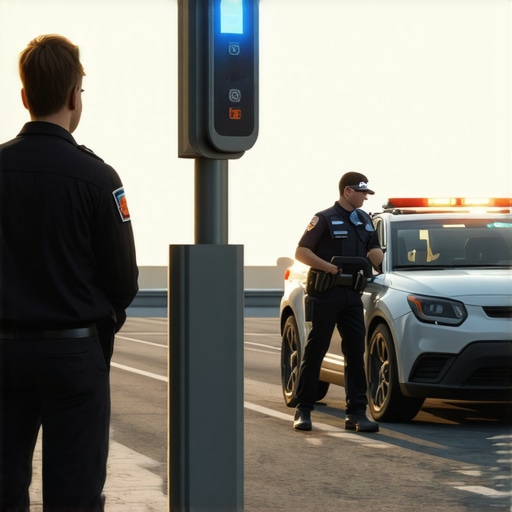
I remember the moment vividly—being pulled over on a busy highway, feeling an immediate wave of dread as the officer explained they were testing my sobriety with a new AI roadside scanner. It hit me then—these aren’t just traditional breathalyzer tests anymore; the technology is evolving rapidly, and so are the legal battles surrounding it. The realization sparked a lightbulb moment: if I didn’t understand how these AI scans could impact my future, I was risking much more than a simple traffic ticket.
The Shift to AI in DUI Enforcement Is Faster Than You Think
Every year, new devices and systems are introduced to assist police in identifying impaired drivers. Yet, many of us overlook the fact that these innovations—like roadside AI scans—are becoming standard in DUI stops. The stakes are high, especially with 2026 bringing even more advanced and controversial testing methods, such as saliva and biometric tests, which have unique vulnerabilities. If you’re like me, you might worry whether these high-tech tools are actually reliable or if they could unfairly target innocent drivers.
My own early mistake was assuming that these new tests were foolproof, which couldn’t be further from the truth. I failed to consult a DUI attorney immediately, missing critical opportunities to challenge inaccurate readings or procedural errors. Did you know that studies reveal errors in blood tests and biometric data are more common than most realize, and they can significantly influence case outcomes? For instance, a recent report highlighted that biometric errors could lead to wrongful convictions if not properly challenged.
If you’re facing a similar situation, you’re probably questioning whether these AI roadside scans are truly worth trusting—or if they might be more harmful than helpful. That’s exactly what this blog aims to clarify. We’ll explore how to navigate these complex waters, and why, when in doubt, calling a skilled DUI lawyer near you can make all the difference. Ready to learn what steps you need to take to protect your rights and fight back against potential misuse of 2026’s new tech? Let’s dive into the strategies that can give you peace of mind and a fighting chance in court.
Assemble Your Legal Team Early
When you suspect that a roadside AI scan may lead to charges, immediate action is crucial. Start by researching seasoned DUI attorneys near you who specialize in high-tech evidence challenges. A mistake here can cost you dearly, akin to going into a battle unarmed. My experience taught me to contact a lawyer the moment I realized the AI device might be flawed, leading to critical early questioning of the evidence.
Climb Behind the Evidence
Request to see the raw data from the AI device used against you. Just like inspecting a suspect’s alibi, scrutinize every pixel. Ask your lawyer to examine details like calibration logs, maintenance records, and software versions. This step reveals potential errors or malfunctions that could nullify the evidence, just as an experienced DUI lawyer would do to undermine flawed blood tests in 2026.
Challenge the Device’s Calibration and Maintenance
A lot rides on whether the AI device was properly maintained. If it wasn’t calibrated correctly or if the software had known bugs, it’s akin to a misfire in a loaded weapon. Your lawyer can subpoena maintenance logs or update records, exposing deficiencies that might invalidate the results, making your defense more robust.
Identify Specific Flaws in AI Technology
Modern AI systems have vulnerabilities similar to blind spots in a car’s mirrors. For instance, environmental factors like heavy rain or bright sunlight can distort AI readings. Ask your DUI attorney to investigate how these conditions might have affected your case and whether the AI system is subject to common errors, such as misidentification or false positives.
Utilize Expert Witnesses to Undermine AI Evidence
Hiring tech-savvy experts can be transformative. Think of them as mechanics who can spot when a car’s engine is misfiring. They can evaluate whether the AI system was functioning correctly and testify if errors occurred. Your lawyer should know how to find these specialists, like those listed here, ensuring your case isn’t lost over technical flaws.
Prepare for Cross-Examination Effectively
When it comes time to challenge the evidence in court, a well-prepared cross-examination can expose weaknesses. Questions should focus on calibration, environmental conditions, software updates, and prior inaccuracies. Your lawyer acts as your shield and sword, similar to a seasoned swordsman dismantling an opponent’s armor piece by piece, ensuring that the AI evidence doesn’t stand unchallenged.
Maintain Documentation for All Interactions
Always keep records of every interaction—requests, responses, and correspondences—related to the evidence. These can become crucial if procedural errors or misconduct surface later. Think of this as your battle log, allowing you to spot inconsistencies, much like reviewing game footage in sports analysis, sharpening your legal strategy.
Many individuals assume that hiring any DUI lawyer guarantees a strong defense, but the truth is far more nuanced. It’s a common misconception that all attorneys are equally equipped to handle high-tech evidence, especially with the increasing use of AI roadside scanners and biometric data in 2026. In reality, expertise in digital forensics and knowledge of emerging DUI laws are critical components of an effective defense. Relying on a general practice lawyer without specialized experience can be a costly mistake, as highlighted by recent studies emphasizing the importance of selecting attorneys with a focus on DUI tech challenges.
Are All DUI Lawyers Truly Skilled in High-Tech Evidence?
Many believe that simply calling a local attorney is sufficient, but advanced DUI cases often require a lawyer who understands the intricacies of AI validation, calibration, and forensic analysis. When you seek legal support, consider whether the lawyer is familiar with recent updates in DUI technology, including challenges to saliva and blood tests that could contain errors or procedural flaws. An expert DUI attorney can scrutinize device logs and software updates, significantly impacting case outcomes. For guidance on finding top-tier legal help, visit this resource.
Many fall into the trap of overestimating the reliability of digital evidence, not realizing that environmental factors such as weather or lighting conditions can distort AI readings. A mistake to avoid is assuming that the presence of cutting-edge technology in your case means it’s infallible. Expert witnesses can challenge the accuracy of AI devices, especially in cases where calibration records are missing or the system is outdated. This nuanced approach can determine whether evidence should be suppressed, highlighting the importance of hiring a knowledgeable DUI lawyer who stays abreast of tech vulnerabilities. It’s pivotal to question whether your attorney can recognize and exploit these technical flaws during proceedings. For nuanced legal strategies, check out this article.Successfully defending against DUI charges involving advanced technology requires not only knowledge but also diligent maintenance of your tools and resources. Personally, I recommend investing in a reliable digital evidence management system like Evidence Sync, which helps keep all case files, calibration logs, and expert reports organized and accessible. Regularly updating your software ensures compatibility with the latest legal standards and emerging DUI technology. For example, software updates often include security patches and bug fixes critical for accurately analyzing AI roadside scans, as detailed in the latest cybersecurity bulletins. Additionally, I always keep a portable calibration kit on hand—like the SPI Calibration Tool—to verify that any evidence collection device is functioning within operational parameters before court proceedings. This proactive approach can reveal calibration drifts or technician errors that might otherwise compromise your client’s case. Predictions indicate that as DUI technology becomes more sophisticated, maintaining a detailed, digital audit trail will become an essential part of effective defense strategies. Therefore, making a habit of routine checks and updates upfront can save countless hours of legal complication later.
How do I keep my DUI defense tools functioning over time?
Regularly schedule software updates, verify calibration logs, and maintain physical equipment with manufacturer-approved cleaning and storage procedures. Establishing a routine with these practices ensures your tools remain accurate and reliable, safeguarding your cases against technical faults. Incorporate routine audits by digital forensic experts—like those listed here—to identify potential issues before they become legal liabilities. Remember, the quality of your evidence and the integrity of your defense hinge on the consistency of your tools. To shore up your defenses, consider implementing a checklist each month for equipment inspection, software updates, and calibration verification. This proactive stance emphasizes quality and accuracy, aligning with the evolving standards in DUI law enforcement and legal defense.}\n
Furthermore, stay informed about emerging DUI technology trends by following specialist resources and law reviews. Predicting where these tools are headed helps tailor your maintenance routines to meet future legal challenges, such as automation errors or biometric inconsistencies that are expected to grow more complex. For practical guidance, I suggest reviewing the latest technical documentation on DUI AI systems, like the comprehensive report from the National Institute of Standards and Technology (NIST). Integrating these insights into your routine will keep you one step ahead in the fast-changing landscape of DUI defense. Don’t hesitate to try out advanced calibration validation methods or software audits mentioned here—they could make all the difference in court.
What I Wish I Knew Before Playing the AI DUI Game
One of the most eye-opening lessons I learned was that these high-tech tools, while impressive, aren’t infallible. Relying blindly on AI evidence can backfire, especially if you haven’t understood their vulnerabilities. That realization pushed me to dig deeper into device maintenance logs and software updates—details that could make or break a case.
I also discovered that environmental factors can severely distort AI readings. Heavy rain, bright sunlight, or even glare can create false positives. Knowing this allowed me to question the reliability of the evidence and highlight how circumstances may have skewed the results during court.
Most crucially, I learned the importance of immediate expert consultation. An experienced DUI attorney with a background in digital forensic analysis can evaluate whether the AI device was calibrated properly, or if known bugs affected its operation. This proactive approach often turns the tide when challenging seemingly concrete evidence.
Tools and Resources That Changed My Approach
To stay ahead, I rely on specific resources that empower my defense strategies. For instance, credible forensic software like Evidence Sync helps organize calibration logs, technician reports, and expert notes, ensuring no detail is overlooked. Additionally, I trust industry standards outlined by the National Institute of Standards and Technology (NIST), which provide guidelines on AI device validation and error rates.
Books such as “Digital Evidence and Testing” have deepened my understanding of AI vulnerabilities. They shed light on best practices for questioning and scrutinizing evidence, which is critical in high-tech DUI cases. Incorporating these tools and literature has made my approach more strategic and less vulnerable to surprises in court.
Taking Action Could Be the Key to Your Freedom
Facing AI-based DUI evidence can feel overwhelming, but remember—knowledge is your most powerful ally. By understanding the limitations of AI scans, demanding transparency early on, and enlisting specialized legal and forensic support, you’re setting the stage for a strong defense. Don’t hesitate to reach out to a DUI lawyer skilled in high-tech cases to ensure your rights are protected; they can help uncover hidden flaws in the evidence, potentially saving you from harsh penalties.
Are you prepared to question the reliability of AI evidence in your DUI case, or will you let flaws go unnoticed? Share your experiences or questions below—your insight might help someone else facing a similar challenge.
Comments are closed.