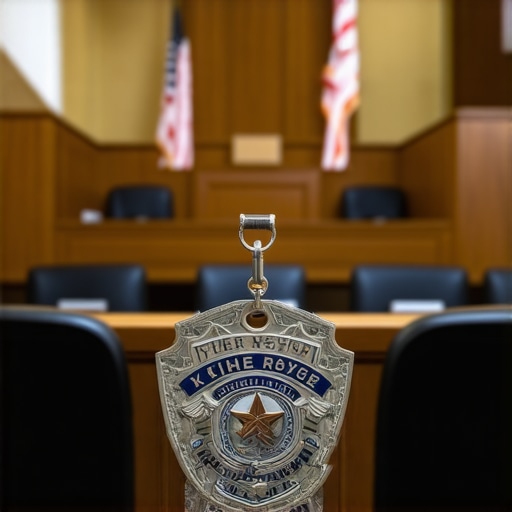
A single mistake can dismantle a lifetime of professional achievement. For defense contractors, federal employees, and military personnel, the threat of a criminal charge is not just about court dates and fines. It is about the immediate threat to your career viability. When you hold or are applying for a security clearance, the legal system operates under an entirely different set of rules where the standard of proof for losing your livelihood is dangerously low.
The night that changes your career trajectory
A DUI conviction or pending criminal charge acts as an immediate red flag for security clearance adjudicators under Guideline G and Guideline J. When the federal government reviews your eligibility for access to classified information, they evaluate your judgment, reliability, and trustworthiness. A conviction signals a systemic failure in personal regulation and adherence to federal statutes.
I watched a client lose their entire claim in the first ten minutes of a deposition because they ignored one simple rule about silence. They volunteered information that was outside the scope of the question, thinking they could explain away a prior arrest. The prosecutor pounced. In the security clearance arena, the same dynamic plays out during the SF-86 disclosure process. Under security clearance guidelines, any attempt to minimize, hide, or fail to report an arrest is treated with far greater severity than the underlying offense itself. If you attempt to draft these disclosures without professional legal counsel, you are essentially walking into an interrogation unarmed.
The illusion of the plea bargain in federal adjudication
A plea bargain to a lesser offense does not erase the underlying conduct from your federal security file. State prosecutors care about clearing their dockets, meaning they will offer reckless driving wet reckless plea deals readily to avoid trial. Adjudicators look past the final court disposition to examine the police report and your blood alcohol level.
“Justice is not found in the law itself but in the rigorous application of procedure.” – Common Law Maxim
When you are arrested for driving under the influence, the administrative state begins its work long before the criminal court reaches a verdict. Adjudicators evaluate your case under the whole person concept. They analyze your age at the time of the incident, the presence of any aggravating factors such as a high blood alcohol concentration, and whether this represents a single isolated event or a pattern of problematic behavior. If you accept a plea bargain without understanding how those specific facts read to a federal background investigator, you are effectively signing your own professional pink slip.
The silent threat of the administrative suspension
The immediate administrative suspension of your driver license by the DMV triggers reporting requirements before your court date. Many individuals mistakenly believe they do not need to notify their security officer until a judge pronounces them guilty. This delay in reporting is an independent security violation that demonstrates a lack of candor and personal integrity.
Case data from the field indicates that failing to report an arrest within the mandatory window, often within 24 to 72 hours depending on agency policy, is the most common reason clearances are suspended. While most lawyers tell you to sue immediately, the strategic play is often the delayed demand letter to let the defendant’s insurance clock run out, but in the context of criminal defense for cleared personnel, the strategy requires immediate, aggressive action on both the criminal and administrative fronts. You must engage a specialized DUI attorney who understands how to fight the license suspension while building a parallel defense for the security investigation.
How adjudicators evaluate drug and alcohol offenses
Adjudicators utilize established psychological and medical criteria to determine if your conduct indicates alcohol abuse or dependence. Under Guideline G of the National Security Adjudicative Guidelines, any credentialed professional who exhibits habitual consumption of alcohol to the point of impaired judgment is deemed a security risk. This determination does not require a formal medical diagnosis of alcoholism.
The federal government is concerned with vulnerability to coercion, blackmail, and general reliability. If you have a DUI conviction on your record, the government assumes that your judgment was compromised. They will ask if you drove under the influence other times but were not caught. They will look at your social media, interview your neighbors, and examine your financial records for signs of lifestyle instability. To counter this, your legal defense must focus on mitigation, rehabilitation, and proving that the incident was an aberration rather than a lifestyle.
The strategic choice of your defense team
Your choice of a DUI defense attorney determines whether your case is handled as a standard misdemeanor or as a threat to national security. A general practitioner who handles traffic tickets will not understand the nuances of the SF-86 or how to craft a defense that satisfies federal adjudicators. You require a DUI lawyer who speaks the language of federal human resources and security management.
“The integrity of the adjudicative process depends entirely on the absolute candor of the applicant.” – Security Appeal Board Journal
When you call an attorney, you need to ask how they intend to handle the administrative record. The defense must be structured from day one with the security clearance in mind. Every motion filed, every negotiation with the prosecutor, and every statement made on the record must be calibrated to protect your clearance. Your DUI legal strategy cannot simply focus on avoiding jail time. It must focus on preserving your career, your reputation, and your livelihood.