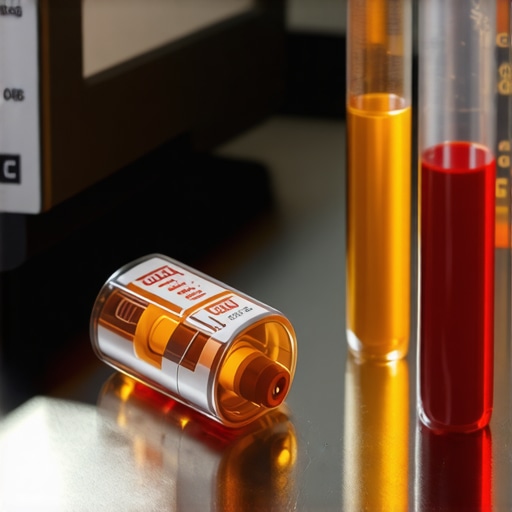
Blood alcohol content analysis is often presented by prosecutors as an unshakeable scientific truth. In reality, a blood draw is a complex chemical process prone to human error, equipment degradation, and procedural shortcuts. To defeat a state charge based on chemistry, you must attack the chain of custody and the analytical machinery.
The hidden volatility of state blood samples
To challenge blood alcohol results successfully, your defense team must target the gas chromatography process, the sterility of the draw site, and the chain of custody documentation. These vulnerabilities represent the weakest links in the prosecution’s forensic evidence chain. By isolating technical errors in how the state collected, stored, and analyzed your sample, you can systematically dismantle the state’s scientific presumption of guilt.
I watched a client lose their entire claim in the first ten minutes of a deposition because they ignored one simple rule about silence, which taught me that the smallest procedural details dictate major legal outcomes. In blood alcohol litigation, the equivalent of that fatal deposition mistake is assuming the state’s laboratory equipment is calibrated correctly. It rarely is. The state relies on your dui lawyer being too intimidated by chemical jargon to look at the raw data. A competent dui attorney knows that a gas chromatograph is only as accurate as its last maintenance cycle, and those cycles are frequently skipped or documented poorly by overworked lab technicians.
“Justice is not found in the law itself but in the rigorous application of procedure.” – Common Law Maxim
Procedural mapping reveals that state labs run these tests in massive batches. This production line mentality creates systemic vulnerabilities. If a technician uses non-sterile isopropyl alcohol to clean your arm before the needle enters, they introduce external volatile organic compounds into the vial. The gas chromatograph cannot distinguish between the alcohol you consumed and the alcohol used to sterilize your skin. This simple mistake can inflate a reading above the legal threshold, turning an innocent driver into a criminal defendant.
The mechanical ghost in the gas chromatograph
Gas chromatography instruments require daily calibration and strict temperature controls to prevent column degradation and peak overlap errors during testing. If the laboratory fails to execute these maintenance protocols, the raw data generated by the machine becomes legally unreliable. Your attorney must demand the full chromatography packet, not just the single-page summary report that the police department provides in their standard discovery packet.
Case data from the field indicates that laboratories frequently run samples through columns that have exceeded their recommended lifespan. This results in column bleed. When the column bleeds, the stationary phase of the tube degrades, creating artificial peaks on the chromatogram that the machine interprets as ethanol. While most lawyers tell you to sue immediately or plead guilty when a blood test comes back high, the strategic play is often to delay the trial and file a comprehensive motion for supplemental discovery. This forces the state to produce the calibration logs, the pipette maintenance histories, and the internal standards data which often reveal a pattern of systemic machine drift.
Why your blood vial is a living chemical reactor
An unpreserved blood sample will ferment over time, producing home-brewed ethanol directly inside the sealed vial before the laboratory ever tests it. This biological process occurs when the blood draw kit lacks sufficient sodium fluoride, which is the preservative meant to stop yeast and bacteria from growing. Without a proper preservative concentration, the bacteria consume the glucose in your blood and excrete alcohol, artificially raising your blood alcohol concentration post-draw.
When you call an attorney, they must immediately check the expiration date on the blood collection tube. These tubes have vacuum seals and chemical coatings that degrade after the expiration date printed on the glass. If the police officer used an expired tube, the vacuum is compromised. This allows atmospheric oxygen and ambient contaminants to enter. This triggers fermentation. Your dui defense must establish that the state cannot prove whether the alcohol detected by the machine was in your system at the time of driving or if it grew inside the tube during the three weeks it sat on a shelf in an unrefrigerated evidence locker.
“The integrity of forensic evidence is dependent upon the chain of custody and the scientific validity of the testing methodology.” – American Bar Association Standards
The state must account for every hand that touched the sample from the moment the needle left your arm to the moment the pipettor drew the sample for analysis. If there is an undocumented gap of hours or days where the sample was kept in an unsecured environment, the court cannot rely on the scientific validity of the result. A skilled dui legal advocate will cross-examine the phlebotomist on the exact angle of the draw, the tube inversion count, and the storage temperature. These microscopic details are where cases are won.
What the state laboratory does not want you to ask
The software settings on the laboratory instruments are designed to smooth out data anomalies, hiding potential errors from the naked eye of untrained defense attorneys. This means that the clean, perfect curve shown on the state’s final report is actually a digitized interpretation of messy raw data. Your defense expert must inspect the integration parameters used by the analyst to ensure they did not manually adjust the baselines to fabricate a clean reading.
Procedural mapping reveals that lab technicians often use manual integration to force a difficult sample to fit a pre-determined calibration curve. This is the equivalent of moving the goalposts during a football game. If the laboratory cannot produce the audit trail showing who modified the integration parameters and why, the chemical test results should be excluded from evidence entirely. This level of technical cross-examination is the only way to expose the shortcuts taken by state laboratories under pressure to maintain high conviction rates.