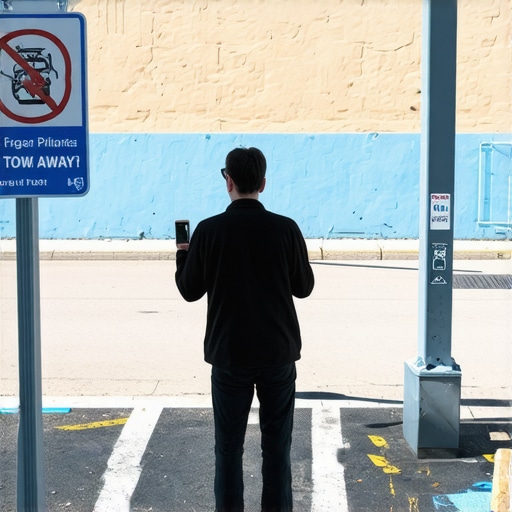
The silence that costs a fortune
I watched a client lose their entire claim in the first ten minutes of a deposition because they ignored one simple rule about silence. After their vehicle was towed following a DUI stop, they went to the impound lot and started explaining their night to the clerk, who was actually a plainclothes officer. Those words were recorded and used to dismantle their defense before I even entered the courtroom. Most people think getting their car back is a simple administrative task. In a DUI context, every interaction with the impound facility is a high-stakes interrogation. The paperwork you sign and the conversations you have can provide the state with the exact evidence they need to convict you.
Where your vehicle went and why it matters
Your vehicle is currently in a state-sanctioned impound lot or police evidence garage. This seizure is not a mere convenience for traffic flow; it is a strategic acquisition of potential evidence. Accessing the vehicle requires navigating specific jurisdictional codes and ensuring that no evidence is tampered with or removed. When the police order a tow after a DUI arrest, they are executing an inventory search. This is a legal loophole that allows them to look through your personal belongings without a specific warrant. They claim it is to protect your property and themselves from liability, but the reality is they are hunting for open containers, receipts from bars, or controlled substances. You need a DUI lawyer to review the inventory log immediately to see if the search exceeded the scope of local department policy. If the officer deviated from standard operating procedure by even an inch, we can often suppress any evidence they found inside that cabin.
“Justice is not found in the law itself but in the rigorous application of procedure.” Common Law Maxim
The inventory search trap
The inventory search is a procedural maneuver designed to bypass the Fourth Amendment requirement for a search warrant. Police use standardized department policies to justify a full sweep of your car under the guise of cataloging valuables. Any incriminating evidence found during this process is generally admissible in court. Most defendants do not realize that the tow truck driver and the impound lot staff are often working in tandem with the prosecution. When you call an attorney, the first thing we do is demand the specific written policy of the arresting agency regarding vehicle impounds. If they cannot produce a written policy that they followed to the letter, the entire search of your car becomes an unconstitutional fishing expedition. This is where cases are won. We don’t argue about the alcohol; we argue about the illegal nature of the search that followed the tow.
The receipt that proves your location
A tow receipt contains more than just a price tag; it holds timestamps and location data that can verify or contradict the police report. This document tracks the exact moment the vehicle was hooked and the location of the seizure. Discrepancies here can lead to a full dismissal. I have seen cases where the officer’s reported time of the stop was twenty minutes off from the tow truck’s GPS log. That twenty-minute gap is a void where the prosecution’s credibility dies. If an officer lied about the time, what else did they lie about? We use the tow record as a forensic tool to rebuild the timeline of your arrest. If the DUI legal team can show that the vehicle was moved before the arrest was finalized, it raises questions about the officer’s probable cause for the initial stop.
Tactical timing of the demand letter
While most lawyers tell you to sue immediately, the strategic play is often the delayed demand letter to let the defendant’s insurance clock run out. This approach forces the state to commit to their version of the facts in a preliminary hearing before they see our counter-evidence. In a DUI defense, you want the state to think they have an open-and-shut case based on a simple tow and a breathalyzer. We wait until the impound fees have accrued slightly if it means we can get the surveillance footage from the tow yard that shows the officer’s conduct. A DUI attorney knows that the footage at the station is often sanitized, but the raw footage from a private impound lot often shows the truth of how the driver was treated. This is the information gain that the prosecution never expects.
“The right of the people to be secure in their persons, houses, papers, and effects, against unreasonable searches and seizures, shall not be violated.” U.S. Constitution, Fourth Amendment
The ghost in the settlement conference
The vehicle itself often serves as a silent witness that the prosecution hopes you will ignore while you focus on the criminal charges. Damage to the vehicle or the lack thereof can disprove allegations of reckless driving or swerving that led to the stop. If the police report says you hit a curb but the car in the impound lot has pristine rims, the entire basis for the traffic stop evaporates. This is why you must take high-resolution photos of your car at the impound lot before you drive it off the premises. Do not trust the police photos. They will only photograph what helps them. You need to photograph the underside, the tires, and every inch of the interior. These photos are the leverage we use in the settlement conference to force the prosecutor to realize their star witness, the arresting officer, is mistaken at best or a liar at worst.
Why your contract is already broken
Every tow authorization form you sign at the impound lot contains clauses that may waive your right to contest the legality of the seizure. These documents are drafted by city attorneys to protect the municipality from lawsuits related to illegal arrests or property damage. Before you sign anything to get your car back, you must have a DUI lawyer review the language. If you sign a waiver that says the tow was justified, you might be signing away your right to challenge the probable cause of the DUI stop itself. It is a predatory system. They hold your car hostage and tell you that the only way to get it is to sign a form that effectively says the police did everything right. Never sign a document that acknowledges the validity of the impound. Write “under protest” next to your signature if you are forced to sign to release the vehicle.
What the defense doesn’t want you to ask
The relationship between the towing company and the local police department is often symbiotic and governed by contracts that the public rarely sees. These contracts specify how evidence must be handled and how quickly the vehicle must be secured to maintain the chain of custody. If the tow truck driver left your car on the side of the road for thirty minutes while they waited for a second truck, the chain of custody for any evidence inside that car is broken. Any DUI legal professional worth their salt will subpoena the tow truck’s logs. If the vehicle was not under constant supervision by a sworn officer or a bonded tow driver, anything found inside is tainted. This is the microscopic reality of the law. It is not about whether you were drinking; it is about whether the state followed the rules of the game. If they didn’t, they don’t get to play.