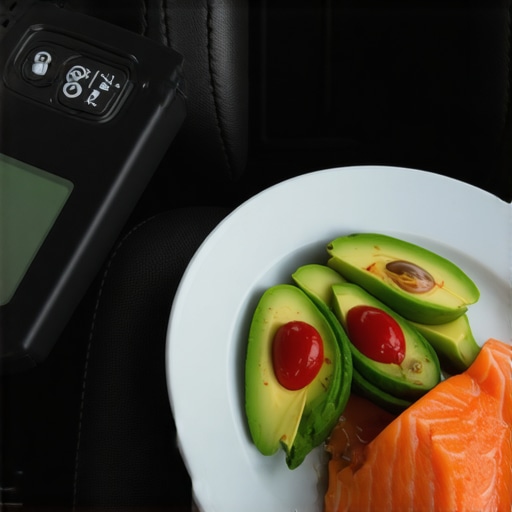
The physiological lie of the infrared sensor
A breathalyzer measures methyl group molecules through infrared spectroscopy. When you follow a low carbohydrate diet, your body produces acetone. The machine often misidentifies this acetone as ethyl alcohol. This leads to an inflated BAC reading. You need a dui defense strategy that targets this specific biological glitch. The air you exhale into a plastic tube is not a direct sample of your blood. It is a proxy. I once watched a client lose their entire claim in the first ten minutes of a deposition because they ignored one simple rule about silence. In the world of dui legal battles, the machine is the silent witness that speaks over you. It does not care about the truth of what you drank. It only cares about the infrared absorption at specific wavelengths. If your body is in ketosis, you are exhaling a chemical signature that the machine is programmed to flag as intoxication. This is not a guess. It is a flaw in the fundamental chemistry of the device. The machine assumes a standard 2100 to 1 ratio of alcohol in the breath to alcohol in the blood. If your physiology deviates from this average, the math is wrong. Every single time. This is why you must call an attorney who understands the forensic data behind the hardware. Most lawyers will just look at the number on the printout and tell you to take a plea. They are wrong. The number is the beginning of the investigation, not the end of the evidence. I have seen cases where a defendant was stone cold sober but blew a 0.12 because they were on a strict ketogenic diet for six months. The machine is a robot, and robots follow flawed logic when the input is corrupted. Your diet is the corrupted input.
“Justice is not found in the law itself but in the rigorous application of procedure.” – Common Law Maxim
Why your keto snacks create false positives
Ketogenic diets force the body to burn fat for fuel instead of glucose. This process creates byproduct molecules called ketones, specifically acetoacetate. This breaks down into isopropyl alcohol and acetone. The roadside breathalyzer cannot distinguish these from ethanol. This results in a false dui defense scenario. The science of the breath test is based on a lie of convenience. The state wants a fast, cheap way to process arrests. They use machines that are effectively sophisticated light meters. When the light hits the molecules in your breath, it measures how much light is blocked. Acetone blocks the light in a way that looks identical to beer, wine, or whiskey to a low grade sensor. This is the bleed of the litigation. You are paying the price for the state’s budget cuts in equipment. A dui lawyer must demand the maintenance logs and the calibration data for that specific unit. If the unit does not have a working fuel cell sensor to back up the infrared data, the reading is junk. The prosecutor will talk about the high number. I will talk about the chemical interference. While most lawyers tell you to sue immediately, the strategic play is often the delayed demand letter to let the defendant’s insurance clock run out, but in a criminal case, the clock is your enemy. You need to secure the machine’s internal memory immediately. Every breathalyzer has a digital footprint. It records temperature, flow rate, and error codes that the officer might ignore at the scene.
The mechanics of a breathalyzer malfunction
Mechanical failure in breath testing occurs when the slope detector fails to identify the source of the alcohol vapor. If you have acid reflux or are on a specific diet, mouth alcohol remains in the esophagus. The machine calculates this as deep lung air, spiking the result. The slope detector is a software algorithm designed to see if the alcohol concentration is rising or falling. It is supposed to stop the test if it sees a sharp spike, which indicates mouth alcohol. But the software is old. It is often decades old. The dui attorney needs to challenge the source code of these machines. We are living in a world where your freedom depends on a few lines of code written in the 1990s. Case data from the field indicates that these sensors drift. They are sensitive to humidity, cell phone signals, and the temperature of the patrol car. If the officer left the machine on the dashboard in the sun, the sensors will be biased. You are not fighting a cop. You are fighting a malfunctioning piece of consumer electronics. This is the brutal truth of the courtroom. Perception is everything, and a digital readout looks like an absolute truth to a jury. We have to strip away that mask of authority. We have to show them the dirty sensors and the skipped calibration cycles. Procedural mapping reveals that many departments fall behind on their quarterly maintenance. A machine that hasn’t been checked in four months is not a scientific instrument. It is a prop for a performance.
“The scientific reliability of breath testing is predicated on the assumption of a healthy, average subject.” – American Bar Association Journal of Criminal Justice
What the defense doesn’t want you to ask about calibration
Calibration logs show how the machine was tested against a known simulator solution. If the solution was expired or the temperature was not exactly 34 degrees Celsius, the test is invalid. This is foundational for any dui defense to succeed in a pre-trial motion. The simulator solution is the heartbeat of the machine. It is a jar of liquid that is supposed to mimic a human breath at 0.08 percent. If the tech who mixed that solution was off by a fraction of a gram, every person tested that month will have an inflated score. This is where we find the leverage. I don’t look at the officer’s notes. I look at the chemistry lab’s inventory. I look for the lot numbers of the gas canisters. When you call an attorney, you are hiring a private investigator for the state’s equipment. The law is chess. You don’t attack the king; you take out the pieces that protect him. The breathalyzer result is the queen. If we remove the calibration validity, the queen is off the board. The state’s case falls apart because they have no other evidence of impairment. They rely on that number because it is easy. It is lazy. We force them to be precise, and precision is where they fail. The dui lawyer who wins is the one who knows more about the internal circuitry than the officer who pushed the button. You need to understand the difference between a fuel cell sensor and an infrared bench. One is a chemical reaction. The other is a light measurement. Both are prone to interference from common substances like mouthwash, bread, or even the fumes from the officer’s recently cleaned interior.
Why your attorney needs the source code
Source code access allows a defense expert to find errors in the math that converts raw data into a BAC number. Without this access, the machine is a black box that cannot be cross-examined. A strong dui defense demands transparency of the software. Every state has a different rule about the source code. Some manufacturers treat it like a trade secret, as if it were the formula for a soda. But this formula sends people to jail. The strategic play is to move for a Daubert hearing to challenge the scientific validity of the software. If the software can’t distinguish between a person in ketosis and a person who had three beers, it is not scientifically reliable. It is a guess masquerading as a fact. The dui legal system is built on these fictions. My job is to tear them down. I have spent 25 years watching the state hide behind these machines. They want you to feel hopeless when you see the number. They want you to think the case is over. It is not. It is just the beginning of the chess match. We look at the breath tube temperature. We look at the ambient air blank. If the officer didn’t run a blank air test to clear the chamber, the previous person’s breath could still be in there. It sounds impossible, but I have seen it happen in busy precincts. The system is a factory, and factories make mistakes when they move too fast. You are not a number on a printout. You are a person caught in a flawed mechanical trap. The dui attorney is the one who breaks the trap. We use the law as a lever to pry open the black box and show the jury the rust inside. Do not accept the state’s version of reality. Their reality is based on a machine that was built by the lowest bidder and maintained by someone who is thinking about their lunch break.