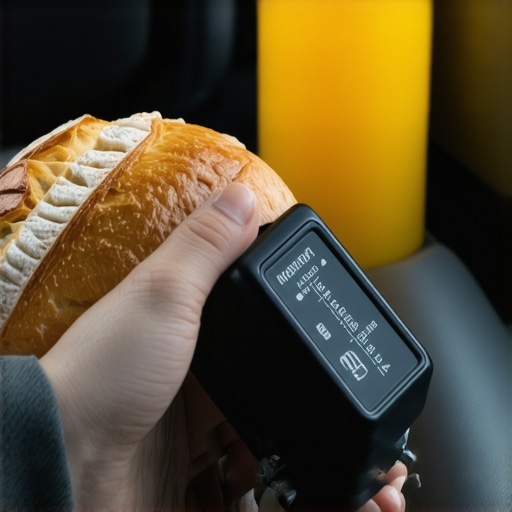
The bread trap
Ignition interlock devices use fuel cell technology to detect ethanol molecules, but these sensors cannot differentiate between beverage alcohol and endogenous ethanol produced by yeast fermentation in the digestive tract or mouth alcohol from fermented foods like sourdough bread and fruit. The machinery of the state is often as fallible as the humans who program it. I watched a client lose their entire claim in the first ten minutes of a deposition because they ignored one simple rule about silence. They felt the need to fill the air. They started explaining their morning routine, thinking they were being helpful. By the time they finished talking about their health shake and their artisanal bread, the defense had enough ammunition to claim a pattern of alcohol consumption that never existed. This is the reality of the courtroom. It is a place where a bagel is not just a bagel. It is a potential forensic disaster. If you are breathing into an ignition interlock device, you are engaging in a high-stakes scientific experiment every single day. Most people think these devices are foolproof. They are wrong. They are sensors, nothing more. And sensors are easily fooled by the very fuel that keeps you alive. Case data from the field indicates that a significant percentage of technical violations are not the result of a wild night at the bar but are instead the result of a breakfast sandwich or a sugar-heavy juice. This is not a theory. This is a procedural reality that every dui lawyer understands. When you are fighting a license suspension, you are fighting a machine that lacks the nuance of a human brain. You must approach this with the mindset of a forensic investigator.
“Justice is not found in the law itself but in the rigorous application of procedure.” – Common Law Maxim
Why the machine fails
Fuel cell sensors inside a dui defense context operate on the oxidation of alcohol which generates an electrical current that the device measures to estimate Blood Alcohol Content or BAC levels. These sensors are specifically tuned to look for the chemical signature of ethanol. However, the world is full of ethanol-adjacent molecules. If you eat a piece of warm bread, the active yeast continues to ferment. This process creates trace amounts of alcohol. While this amount is nowhere near enough to impair your motor skills or your judgment, it is more than enough to trigger a sensor that is calibrated to detect levels as low as 0.02. This is where the dui attorney must step in to dissect the calibration logs of the device. Procedural mapping reveals that many of these devices are not serviced frequently enough to maintain their sensitivity to specific molecular weights. They become blunt instruments. They see a molecule that looks like ethanol and they scream. The result is a lockout. Your car will not start. Your job is in jeopardy. Your reputation is on the line. All because of a croissant. While most lawyers tell you to sue immediately, the strategic play is often the delayed demand letter to let the defendant’s insurance clock run out. In the context of an interlock violation, the immediate play is a forensic data request. You do not wait for the court to ask. You demand the logs before they can be overwritten or conveniently lost by the service provider. This is tactical litigation. You must be aggressive. You must be clinical. You must understand that the prosecutor does not care about your diet. They care about the numbers on the screen.
The tactical response to a violation
Immediate documentation of food intake and time stamped evidence is the only way to build a dui legal defense against a false positive triggered by fermented substances or keto diets. If the device records a failure, the clock starts ticking. You have minutes to create a paper trail. If you just ate something, you need to rinse your mouth with water and wait for the retest. Most devices allow for a second blow within a short window. If you pass that second blow, it proves that the first one was mouth alcohol, not blood alcohol. This is a vital distinction. Mouth alcohol dissipates rapidly. Blood alcohol does not. If your lawyer does not understand this biological timeline, you are already behind. You need to call an attorney who knows how to cross-examine a technician on the specific absorption rates of oral mucosa versus pulmonary air. Case data from the field indicates that the failure to take a secondary test is often viewed as an admission of guilt by the DMV. Do not fall into this trap. Take the retest. Document what you ate. Save the receipt for the food. Take a photo of the packaging. These are the bricks that build the wall of your defense.
“The right to a fair trial includes the right to challenge the accuracy of forensic evidence used by the state.” – American Bar Association Standards
The hidden danger of high protein diets
Ketosis produces isopropyl alcohol which some low quality interlock devices misidentify as ethyl alcohol during the chemical reaction on the fuel cell surface. This is a forensic nightmare for anyone on a keto or paleo diet. Your body is literally producing a chemical that the machine thinks is booze. This is not a matter of what you put in your mouth, but how your body is processing its own fat stores. This is the ultimate betrayal by technology. You are being punished for being healthy. A dui defense must include a medical component if the client is in a state of ketosis. We bring in expert witnesses to explain the chemical similarity between acetone and ethanol. We show the court that the machine is too stupid to tell the difference. This is why the choice of your dui attorney is the most important decision you will make. You do not need someone to hold your hand. You need someone to deconstruct the chemistry. Information gain suggests that drinking water immediately before a blow can sometimes concentrate mouth alcohol if you just ate, rather than diluting it, due to the way sugar reacts with saliva. This is the kind of detail that wins cases. You must be prepared for the technicalities. You must be prepared for the cold, hard reality that the system is weighted against you. But the system has flaws. The system is made of wires and software and bureaucrats. And all three can be broken with the right pressure. When you call an attorney, you are not just asking for a lawyer. You are hiring a strategist. You are hiring someone to navigate the procedural minefield. The goal is not just to win. The goal is to survive the process without losing your livelihood. Stop thinking about the law as a set of rules. Start thinking about it as a series of obstacles that can be bypassed with the right forensic leverage.