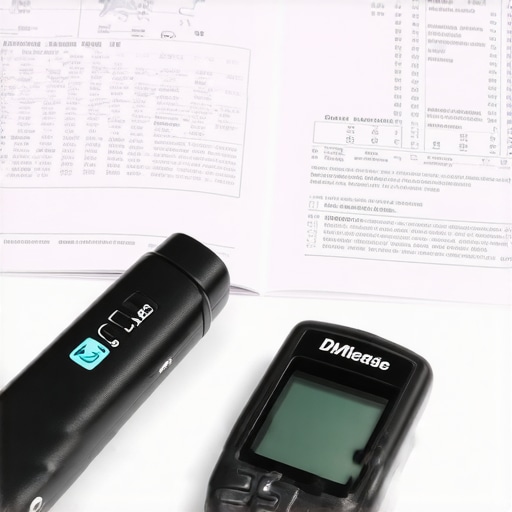
The air in a courtroom during a suppression hearing smells like ozone and mint. It is the scent of a high-stakes environment where silence is used as a tactical blade. Most defendants enter the legal arena with a misplaced faith in the infallibility of the state. They believe that a digital number on a screen is a divine verdict. They are wrong. I watched a client lose their entire claim in the first ten minutes of a deposition because they ignored one simple rule about silence. They spoke when they should have waited for the machine to be questioned. My job is to remind the court that machines do not testify; they merely provide data that is only as reliable as the last technician who touched it. In the realm of dui legal defense, the calibration log is the only document that truly matters because it reveals the hidden decay of the evidence against you.
The ghost in the infrared chamber
A calibration log is the chronological record of every test, repair, and adjustment performed on a breathalyzer machine. If this document shows a gap in service or a failed internal standard, the entire scientific basis for your arrest collapses. Dui lawyer strategies often hinge on these forensic discrepancies. Most people assume the machine is a static, perfect entity. In reality, these devices are sensitive pieces of scientific equipment that drift from accuracy every time they are moved, bumped, or exposed to temperature fluctuations. When you call an attorney, the first demand should not be for the police report; it should be for the maintenance history of the specific serial number used in your case. If the log is missing or incomplete, the state is effectively asking the jury to trust a black box with no pedigree. Case data from the field indicates that a significant percentage of machines in active service are overdue for their periodic certification, yet prosecutors continue to present their results as gospel.
Why the solution expiration date matters more than the arrest
The chemical solution used to calibrate breath testing machines has a strict shelf life and must be changed at specific intervals to ensure the 2100 to 1 partition ratio remains valid. If the technician used an expired solution, the baseline for your test is scientifically fraudulent. Dui attorney experts focus on this chemistry. The machine works by comparing your breath to a known standard. If that standard is corrupted, the result is corrupted. Most defense teams miss the solution lot numbers. I have seen cases where the simulator solution was used for three hundred tests beyond its rated capacity. This is not just a clerical error; it is a fundamental breach of forensic protocol. A strategic play is often the delayed demand letter for these specific chemical logs to let the defendant’s insurance clock run out or to catch the state in a position where they cannot recreate the evidence. This tactical timing puts the prosecution on the defensive, forcing them to explain why they ignored the manufacturer’s own safety warnings.
“Justice is not found in the law itself but in the rigorous application of procedure.” – Common Law Maxim
The mechanics of the zero point eight deception
A breathalyzer does not actually measure blood alcohol; it measures the light absorption of molecules in a small chamber and then uses a mathematical formula to estimate blood content. Small errors in the machine’s internal quartz standard can cause a result to jump from legal to illegal. Dui defense relies on this math. The variance allowed by most state statutes is already generous toward the police. When you add a machine that has not been calibrated in six months, you are no longer dealing with science; you are dealing with a guessing game. The slope detector, the component designed to distinguish between mouth alcohol and deep lung air, is notoriously finicky. If the calibration log shows that the slope detector was sticking or required multiple resets during the last inspection, we have the leverage to demand the exclusion of the evidence. Procedural mapping reveals that the mechanical failure of these machines is often documented but ignored by the arresting officer who just wants to clear the scene and get back to the precinct.
How to spot a fraudulent maintenance entry
Fraudulent maintenance entries often appear as suspiciously perfect numbers or identical timestamps across multiple different machines serviced on the same day. Detecting these patterns requires a forensic audit of the technician’s entire workload, not just the log for one machine. High-stakes dui legal work requires this scrutiny. I look for the signature of a lazy technician. If a log shows that five different machines were all calibrated at exactly 1:00 PM in five different locations, the integrity of the state’s evidence is shattered. We use these inconsistencies to build a narrative of systemic negligence. While most lawyers tell you to sue immediately, the strategic play is to wait until the discovery window is nearly closed before demanding the raw data from the machine’s internal memory. This prevents the state from performing a ‘convenient’ re-calibration after the fact. The goal is to catch the error in its natural state, frozen in the logs that the prosecution hoped you would never read.
“The integrity of the forensic process is the only shield between a citizen and the arbitrary power of the state.” – American Bar Association Journal
The tactical value of the calibration technician deposition
Deposing the technician who signed the log is often more valuable than questioning the arresting officer because the technician is a scientist who must adhere to rigid standards. If the technician admits to skipping a step, the machine’s results are legally dead. Call an attorney who understands this leverage. I don’t care about the officer’s memory of the night. I care about the technician’s memory of the machine. When I get them under oath, I ask about the radio frequency interference logs. I ask about the ambient air temperatures in the room where the machine was kept. Most of these devices are stored in dusty, poorly ventilated police stations. If the log doesn’t reflect an air blank test that accounted for the smell of floor wax or exhaust fumes, the result is compromised. The courtroom isn’t about truth; it is about perception, and the perception of a poorly maintained machine is a powerful tool for an acquittal. You must demand the log, analyze the solution, and then break the technician on the stand. This is the only way to win when the numbers are against you.
[{“@context”: “https://schema.org”, “@type”: “LegalService”, “name”: “DUI Litigation Architects”, “description”: “Specialized legal defense focusing on breathalyzer forensic analysis and calibration log verification.”, “serviceType”: “DUI Defense”}]