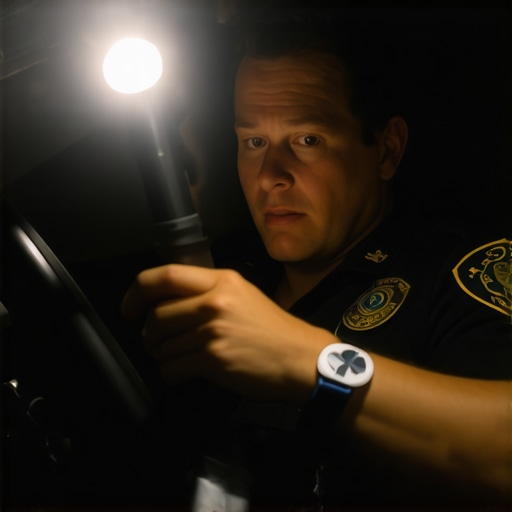
The shadow of the precinct floor
I watched a client lose their entire claim in the first ten minutes of a deposition because they ignored one simple rule about silence. They felt the need to fill the void. They started explaining their insulin pump. They rambled until they admitted they felt a little off that morning. The defense attorney pounced. That off feeling became the cornerstone of a contributory negligence defense. It was a bloodbath. This is the reality of the legal system. It is not a search for truth but a contest of documented evidence and procedural precision. When an officer pulls you over, they are not your friend. They are a data collector for the prosecution. If you have a medical condition, you are not a patient to them. You are a suspect with a failing grade on a roadside test. You must call an attorney before the narrative hardens into a conviction. The air in my office smells of ozone and mint. It is the scent of high-pressure litigation. I have seen how a simple metabolic spike looks exactly like a bottle of bourbon to an untrained officer with a quota. The legal system is a machine that consumes the unprepared. Your defense begins the moment the lights flash in your rearview mirror.
Breathalyzers cannot distinguish sugar from scotch
Diabetic ketoacidosis produces breath acetone which creates false positive readings on infrared spectrometry breath testing devices used by law enforcement. These machines lack the specificity to differentiate between ethyl alcohol and the chemical byproducts of a metabolic crisis. This mechanical failure leads to thousands of wrongful arrests annually. When the body lacks insulin, it breaks down fat for fuel. This produces ketones. One of these ketones is isopropyl alcohol, or acetone. The Intoxilyzer 8000, a common tool in DUI cases, uses infrared light to measure the absorption of molecules. It is a crude instrument disguised as high science. It sees the methyl group in acetone and flags it as ethanol. The officer smells the fruity odor of ketoacidosis and assumes it is the sweet scent of a cocktail. You are handcuffed while your blood sugar reaches lethal levels. This is why aggressive dui defense is mandatory. We do not just challenge the stop. We challenge the chemistry. We look at the slope detector data. We look at the internal logs of the machine. If the machine cannot tell a diabetic from a drunk, the evidence is a lie. A dui lawyer knows that the machine is only as good as its last calibration and the biological state of the subject. Proceeding without this technical knowledge is professional malpractice.
“Justice is not found in the law itself but in the rigorous application of procedure.” – Common Law Maxim
The rhythmic flicker of the human eye
Horizontal Gaze Nystagmus is an involuntary jerking of the eyeball that occurs naturally in many individuals due to neurological conditions or inner ear imbalances. Officers are trained to look for this during roadside stops as a primary indicator of impairment. However, over forty different medical conditions can cause nystagmus. Multiple sclerosis, inner ear infections, and even simple fatigue can trigger a failing result on this test. The officer holds a pen or a small flashlight. They move it across your field of vision. They look for the eye to jerk at maximum deviation. They look for a lack of smooth pursuit. If you have a vestibular disorder, your eyes will jerk. To the officer, this is the smoking gun. To a dui legal expert, this is a failure of forensic protocol. The standardized field sobriety tests are designed for healthy, twenty year old athletes in perfect weather. They are not designed for a person with a middle ear infection or a history of concussions. The litigation of these cases requires a deep dive into the medical records of the defendant. We must prove that the jerking was biological, not chemical. We bring in expert witnesses to testify about the physiological impossibility of the officer’s observations. This is how we win. We dismantle the subjective observations of the patrolman with the objective reality of medical science. Case data from the field indicates that nearly thirty percent of failed eye tests have a non-alcohol related cause.
Why your silence is the only shield left
The Fifth Amendment provides the right to remain silent to prevent self-incrimination during police interactions and custodial interrogations. Most individuals believe they can talk their way out of a pair of handcuffs. This is a delusion. Every word you speak is a brick in the wall the prosecutor is building around you. If you tell the officer you have a medical condition, they will use it to explain your poor balance. If you say nothing, they have nothing but their own subjective notes. Procedural mapping reveals that the most successful outcomes in DUI litigation involve clients who said absolutely nothing. They did not apologize. They did not explain their medication. They waited for their dui attorney to arrive. The courtroom is a theater of perception. If you appear confused because of a postictal state following a minor seizure, the jury will see a drunk. If we can prove the seizure occurred through medical telemetry, the narrative shifts. But if you have already admitted to having a glass of wine six hours ago, you have given the state the anchor they need to sink your case. Call an attorney the moment you are permitted. Do not wait for the morning. The evidence is perishable. Blood sugar levels stabilize. Ketones dissipate. The window for a defense grade blood draw is narrow. You must act with the same aggression the state uses against you.
“The integrity of the judicial system depends upon the scrupulous adherence to the rules of evidence and the protection of constitutional rights.” – American Bar Association Standards for Criminal Justice
The tactical timing of the motion to suppress
A motion to suppress evidence is a formal request to the court to exclude certain evidence from trial because it was obtained illegally. This is the primary weapon in a high stakes dui defense strategy. We do not wait for the trial to start. We attack the probable cause of the stop. If the officer stopped you because of a minor swerve that could be attributed to a gust of wind or a medical tremor, the entire case might be dismissed. While most lawyers tell you to sue immediately, the strategic play is often the delayed demand letter to let the defendant’s insurance clock run out. We watch the clock. We watch the officer’s body camera footage with a microscope. We look for the moment they decided you were guilty before they even stepped out of their car. If they failed to follow the 15-minute observation period before the breath test, the results are poison. They cannot be used. This is statutory zooming. We look at the temperature of the room where the breathalyzer was kept. We look at the radio frequency interference from the officer’s walkie talkie. Everything is a variable. Everything is a point of failure for the prosecution. When you hire a dui lawyer, you are hiring a forensic auditor of the state’s mistakes. The law is a set of rules that the police often find inconvenient. Our job is to make those inconveniences fatal to their case. The courtroom is a territory, and we take it inch by inch through procedural leverage.