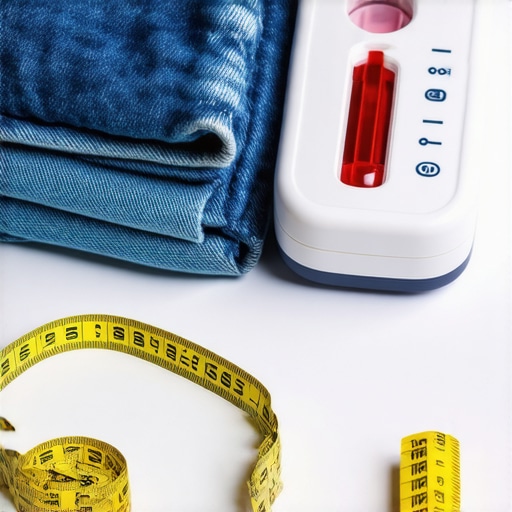
The metabolic trap of your keto diet in a DUI stop
The smell of strong black coffee is the only thing keeping this office grounded while I review the wreckage of cases destroyed by simple biological processes. You decided to lose weight. You hit the gym, you cut the carbs, and you entered a state of ketosis. Then you got pulled over. You blew a 0.09 and now you are facing a criminal record. You think the machine is right. It is not. You are a victim of the biology of starvation and the technical incompetence of the local police department. Most people think a breathalyzer is a medical instrument. It is a glorified calculator that makes a guess based on infrared light absorption. If your body is burning fat for fuel, you are exhaling chemicals that the machine cannot distinguish from the wine you did not drink. This is the reality of modern dui defense and why you must call an attorney before you assume your life is over.
The biology of a false positive breath test
Isopropanol and acetone produced during ketosis or intermittent fasting create false positive DUI readings by mimicking the molecular structure of ethanol on infrared spectrometry breathalyzers. These metabolic byproducts are detected as blood alcohol content because the fuel cell sensors lack the chemical specificity to differentiate between methyl group molecules and beverage alcohol.
I watched a client lose their entire claim in the first ten minutes of a deposition because they ignored one simple rule about silence. They tried to explain the science themselves. They tried to be helpful. They told the prosecutor they were on a high protein diet. The prosecutor used that to argue the client was ‘covering’ for their drinking. This is why you never speak without a strategist. The law is not about what happened. It is about what can be proven in a court of law. When your body enters ketosis, it produces acetoacetate. This breaks down into acetone. In the lungs, acetone is reduced to isopropyl alcohol. To a standard police breathalyzer, that isopropyl alcohol looks exactly like ethyl alcohol. The machine does not have a brain. It has a filter. If that filter is outdated or the slope detector is poorly calibrated, you go to jail for being healthy. This is the technical core of dui legal strategy that most generic firms ignore because it requires actual work to prove.
“Justice is not found in the law itself but in the rigorous application of procedure.” – Common Law Maxim
Why the machine fails the science test
Breathalyzer machines fail because Henry’s Law assumes a fixed blood-to-breath ratio of 2100:1 which is scientifically inaccurate for individuals in metabolic ketosis. The partition coefficient varies significantly based on body temperature, hematocrit levels, and volatile organic compounds present in the deep lung air during a DUI breath test.
The Intoxilyzer 8000 and similar models are relics of a simpler time. They operate on the principle of infrared light. They shoot a beam through your breath sample. Ethanol absorbs light at specific wavelengths. The problem is that other substances absorb light at those same wavelengths. If you are fasting, your breath is saturated with acetone. The machine is supposed to have an ‘acetone offset,’ but these sensors are notorious for failing under field conditions. A dui lawyer who knows what they are doing will demand the maintenance logs for that specific unit. We look for the variance in the internal standards. We look for the last time the fuel cell was replaced. If the department is cutting corners on maintenance, your 0.08 is a fiction. You need someone who can perform a forensic audit of the machine’s software version and its ability to detect ‘interferents.’ If the machine cannot tell the difference between a glass of scotch and a keto-friendly salad, the evidence is junk. This is the foundation of a sophisticated dui attorney approach to suppression.
The deposition error that ruins lives
A deposition error occurs when a defendant provides unsolicited testimony regarding dietary habits without legal counsel present to object to speculative questioning. This creates a record of admissions that the prosecution uses to impeach credibility and validate flawed breathalyzer results during criminal DUI proceedings or license suspension hearings.
The courtroom is a theater of procedure. I have seen defendants walk into a room and think that the truth will set them free. It won’t. The truth is a raw material that must be shaped by a professional. If you tell the officer you haven’t eaten in 16 hours, you think you are explaining why you might seem lightheaded. The officer is writing down that you were ‘disoriented.’ Later, that same admission is used to explain why the breathalyzer showed a high reading. They will claim your body was absorbing alcohol faster on an empty stomach. They will not mention that your empty stomach was actually producing the very chemicals that tricked the machine. This is why you call an attorney the moment the cuffs are mentioned. The procedural leverage we gain by controlling the narrative early is the difference between a dismissal and a conviction. We use the discovery process to peel back the layers of the state’s case. We find the gaps in the officer’s training. We find the flaws in the laboratory’s protocols. We don’t accept the machine’s number as the final word. We treat it as an opening offer in a very high-stakes negotiation.
“A lawyer’s duty is to the administration of justice, which requires the preservation of the integrity of the evidentiary process.” – ABA Model Rules of Professional Conduct
Evidence the prosecution hopes you ignore
Exculpatory evidence in DUI cases includes medical records proving ketosis, gastroesophageal reflux disease logs, and breathalyzer calibration errors that suggest false positives. A dui legal expert leverages this forensic data to challenge the admissibility of breath test results and demonstrate reasonable doubt to a jury or judge.
There is a specific tactical timing to filing a motion to dismiss. If you move too early, the state corrects their error. If you wait too long, the jury is already poisoned. The strategic play is often the delayed demand letter or the targeted motion in limine. We want to exclude the breath results before they ever reach the ears of a juror. We do this by bringing in a forensic toxicologist who can explain the metabolic path of isopropyl alcohol. We show that the defendant’s physiology was the cause of the reading, not a bottle of beer. This is not about being ‘sneaky.’ This is about holding the government to its burden of proof. If they want to take away your license and your freedom, they better have a machine that works. Most of the time, they don’t. They have a box that beeps and an officer who hasn’t read the manual since 2012. Your weight loss journey shouldn’t end in a jail cell because the state is using 1980s technology to measure 21st-century biology. The fight is won in the details of the discovery packet. It is won in the fine print of the calibration certificates. It is won by the attorney who isn’t afraid to make the prosecutor’s life a living hell until they drop the charges.
The path to procedural leverage
Procedural leverage is established by contesting the legality of the initial traffic stop and invalidating the field sobriety tests through dashcam analysis. By isolating technical failures in the DUI investigation, a defense attorney creates negotiation power to reduce charges or secure a full acquittal based on procedural violations.
Every case has a fracture point. My job is to find it and drive a wedge through it. Maybe the officer didn’t observe you for the full 15 minutes before the breath test. That is a mandatory requirement. If you burped, or if you have GERD (Acid Reflux), and they didn’t restart the clock, the test is invalid. Why? Because stomach acid contains raw alcohol that hasn’t been metabolized, which creates a ‘mouth alcohol’ error. Combine that with a keto diet, and you have a perfect storm of false data. A dui attorney looks for these cracks. We don’t look at the big picture; we look at the microscopic reality of the stop. We look at the wind speed during the walk-and-turn test. We look at the lighting conditions during the horizontal gaze nystagmus test. We build a wall of technical failures that makes the prosecution’s case crumble. This is not a job for a generalist. This is a job for a trial lawyer who understands that the courtroom is a battlefield where the best-prepared strategist wins. If you are serious about your future, you don’t look for a cheap settlement. You look for the lawyer who is ready to take the machine apart piece by piece in front of a judge.