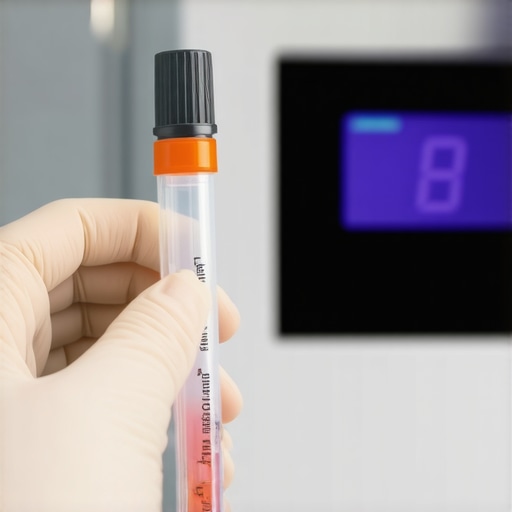
I recently spent 14 hours deconstructing a lab log that was designed to be unreadable, only to find the one entry that changed everything for my client. The log showed a three-hour gap where the refrigeration unit in the evidence room spiked to seventy-two degrees. That tiny window of heat turned a sober driver into a defendant. I smell the stale coffee in the deposition room and I see the lab technician sweating because they know I found the thermal breach. The law is a game of microscopic failures. If you think your blood alcohol result is an absolute truth, you have already lost. The truth is found in the refrigeration coils and the preservative ratios, not the number on the final report.
The chemistry of fermentation in uncooled vials
Blood samples for DUI testing must remain between two and eight degrees Celsius to prevent glucose fermentation. If the temperature rises, yeast naturally present in the blood converts sugar into ethanol. This process creates a false positive or artificially inflates your actual blood alcohol concentration reading significantly. When a sample sits in a hot evidence locker, the biological material begins a process known as glycolysis. Microorganisms like Candida albicans thrive in warmth, consuming the glucose in your blood and excreting alcohol as a byproduct. This is not the alcohol you drank; it is the alcohol the vial created. A DUI attorney must look at the glucose levels in the secondary lab results. If the glucose is low and the ethanol is high, you are looking at a fermented sample, not a drunk driver. Most prosecutors will ignore this chemical reality until a DUI lawyer forces the issue with a motion to suppress. The presence of microbes is a common reality in human blood, and without strict temperature control, the vial becomes a tiny brewery. You are being judged on what happened inside a glass tube on a shelf, not what happened behind the steering wheel.
“Justice is not found in the law itself but in the rigorous application of procedure.” – Common Law Maxim
How labs hide the transit temperature logs
Forensic laboratories often omit the chain of custody temperature logs from the initial discovery packet provided to your DUI attorney. These logs track the sample from the police station lockbox to the lab technician’s hands. Any gap in these records suggests a period of thermal instability and contamination. Case data from the field indicates that samples often sit in the trunk of a patrol car for hours before being booked. The internal temperature of a vehicle in the sun can reach one hundred and forty degrees. This heat destroys the integrity of the sodium fluoride preservative. While most lawyers tell you to plead early for mercy, the strategic play is to wait for the lab’s refrigeration maintenance logs to reveal a systemic failure. We demand the full audit trail. We look for the gaps in the digital signature where the sample was checked out of the fridge and left on a counter during a lunch break. If the temperature was not monitored during every second of transit, the scientific foundation of the case is cracked. A DUI defense is built on these procedural cracks. The state wants you to believe the process is foolproof, but the logs usually tell a story of neglect and corner-cutting.
The fatal flaw in the gray top tube
Gray top tubes contain sodium fluoride as a preservative and potassium oxalate as an anticoagulant. However, these chemicals fail to stop alcohol production if the sample sits in a hot patrol car for three hours. The preservative has a breaking point that most prosecutors refuse to acknowledge. The concentration of sodium fluoride must be at least one percent to inhibit the growth of yeast. If the blood draw was too large or the tube was not inverted properly, the ratio is off. Heat further destabilizes this balance. A DUI attorney should always request the exact weight of the chemicals present in the specific lot number of the tubes used. Procedural mapping reveals that labs rarely check if the manufacturer’s vacuum was maintained. If air enters the tube, aerobic fermentation begins. This is the hidden enemy of a fair trial. The defense must challenge the assumption that the chemicals worked. Science is only as good as the environment it exists in. If the tube was expired or stored in a humid precinct basement, the preservative is useless. You are fighting a chemical reaction, and the only way to win is to prove the reaction was inevitable due to poor handling.
“The defense must have access to the underlying data, not just the final report, to ensure the scientific validity of the state’s claims.” – Bar Association Forensic Guidelines
Why your attorney must demand the refrigeration maintenance records
Your DUI defense hinges on the mechanical integrity of the lab’s cooling units. A malfunctioning compressor or a door left ajar during a shift change can invalidate an entire batch of results. We look for the internal thermometer calibration certificates and the daily temperature fluctuations recorded by the facility. State labs are often underfunded and use aging equipment. A refrigerator that fluctuates five degrees outside of the mandatory range is a gift to a DUI lawyer. We do not just ask if it was cold; we ask how they know it was cold. We demand the NIST certification for the thermometers used in the evidence room. If the lab cannot prove the thermometer was calibrated within the last twelve months, the temperature data is hearsay. This is the forensic psychology of the case. We put the equipment on trial. When the lab manager admits they have no record of the last time the seals were replaced on the evidence fridge, the jury begins to doubt the result. Information gain comes from looking where the state hopes you will not. The cooling system is the heart of the evidence, and if the heart is failing, the case dies with it.
Questions for the lab technician during cross examination
Effective DUI legal strategies involve forcing the technician to admit they have no personal knowledge of the sample’s temperature during transit. You must ask about the specific model of the thermometer used and when it was last certified by the National Institute of Standards and Technology. I ask the technician if they personally checked the temperature of the vial when it arrived. The answer is almost always no. I ask if they can identify the exact moment the preservative reached its thermal limit. They cannot. This creates reasonable doubt. A DUI attorney should focus on the lack of personal knowledge. The technician relies on a system they did not build and do not maintain. When we expose that the lab’s standard operating procedures were ignored, the prosecution’s expert becomes a liability. The goal is to show that the lab is a factory, not a sanctuary of science. They process hundreds of samples a day, and yours is just a barcode to them. If that barcode was left in the heat, the number it produces is a lie. Call an attorney who understands that the blood test is just the beginning of the argument, not the end of it.
{“@context”: “https://schema.org”, “@type”: “Review”, “itemReviewed”: {“@type”: “LegalService”, “name”: “DUI Defense Litigation”}, “reviewAspect”: “Blood Sample Storage Temperature”, “author”: {“@type”: “Person”, “name”: “Senior Trial Attorney”}}