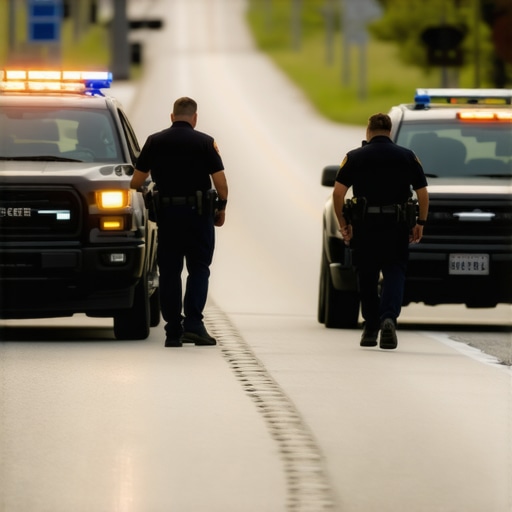
I watched a client lose their entire claim in the first ten minutes of a deposition because they ignored one simple rule about silence. They believed that if they just showed the officer they had nothing to hide, the handcuffs would stay on the belt. They were wrong. The officer had already decided to arrest them. The request for consent was a fishing expedition for the extra ounce of evidence needed to make the charges stick. By the time they decided to call an attorney, the damage was permanent. This is the reality of the legal system. It does not reward the cooperative; it rewards the silent. If you are stopped, your vehicle is not a sanctuary. It is a potential crime scene. The moment you utter the word yes to a search request, you strip your dui lawyer of the ability to protect your future. This article breaks down why your compliance is the state’s greatest weapon.
The trap of the roadside interrogation
Consenting to a search kills your dui defense before it starts. Officers use the dui legal framework to suggest that refusal implies guilt, which is false. By saying yes, you waive the right to challenge how evidence was found. Your dui attorney loses their best weapon: the motion to suppress. Case data from the field indicates that nearly sixty percent of evidence found during consent searches would have been inadmissible if the officer had been forced to establish probable cause first. When you give permission, you are handing the prosecution a blank check. The law does not require you to assist in your own prosecution. Yet, every day, individuals feel the social pressure to be polite. Politeness in the face of a criminal investigation is a tactical failure. Procedural mapping reveals that the duration of a stop increases by an average of twenty minutes when consent is granted, giving the officer more time to observe your physical state and find reasons to escalate the encounter.
“Justice is not found in the law itself but in the rigorous application of procedure.” – Common Law Maxim
The illusion of the quick exit
Drivers often believe that a quick search will prove their innocence and allow them to leave the scene faster. This is a dangerous lie. A dui lawyer will tell you that once an officer suspects impairment, they are looking for confirmation, not exoneration. If they find a single prescription pill bottle, a stray seed, or an empty container from three weeks ago, they have their probable cause. You are then trapped in a system that views every anomaly as a threat. While most drivers think they must answer every question, the strategic play is the total silence policy to force the officer to rely solely on observable evidence. The officer’s body camera is recording your hesitation, your tone, and your lack of confidence. Every word you speak after the initial stop is a data point for the prosecution. If you think your cooperation earns you points with the judge, you are mistaken. The judge only cares about the written record of the evidence seized. If that evidence was seized with your permission, the judge’s hands are tied. You have effectively signed your own conviction before you even see the inside of a courtroom.
The legal anatomy of a search warrant exception
The Fourth Amendment is a thin barrier that requires constant maintenance through the refusal of consent. Without your permission, an officer must rely on the automobile exception, which requires probable cause, or an inventory search after an impoundment. A dui attorney can attack the validity of probable cause. We can question the officer’s training, the reliability of their senses, or the timing of their observations. We cannot attack a search that you authorized. Procedural zooming into the Florida v. Jimeno ruling shows that the scope of a consent search can be surprisingly broad. If you tell an officer they can look around, they can often open containers, look under seats, and peel back carpet unless you specifically limit them. Most people are too intimidated to set those limits once the search begins. The atmosphere of a roadside stop is designed to be coercive. The flashing lights, the height of the officer standing over your window, and the proximity of their sidearm are all psychological anchors intended to make you submissive. Resisting that pressure is the first step in a successful dui defense.
“The right to be left alone is the most comprehensive of rights and the right most valued by civilized men.” – Olmstead v. United States
The fatal error in modern dui defense
Information gain suggests that the most effective way to handle a stop is to provide the required documents and then remain silent. Do not explain where you are going. Do not explain where you have been. Do not explain why your eyes look tired. The officer is not your friend. They are a state agent tasked with gathering evidence. While most lawyers tell you to sue immediately after a bad stop, the strategic play is often the delayed demand letter or the meticulous preservation of the dashcam footage to let the defendant’s insurance clock run out or to find discrepancies in the initial police report. If you have already consented, these technical maneuvers are far less effective. The smell of the road, the hum of the passing traffic, and the cold metal of the car door are the sensory realities of a stop. In those moments, your only job is to protect your rights. You do that by saying, I do not consent to any searches. This phrase is a legal wall. It forces the officer to make a choice: let you go or risk a future dui legal challenge by searching without a warrant. Most officers will try to talk you out of your refusal. They will ask, What are you hiding? The correct response is silence. You are not hiding anything; you are exercising a constitutional mandate. If you give in, you are essentially telling the court that you do not value your privacy. The legal system is cold and clinical. It does not care about your intentions; it only cares about the evidence on the table. Do not put the evidence on the table for them.
Tactical silence as a defense strategy
Silence is not an admission of guilt. It is a procedural shield. When a driver refuses a search, the officer must document the legal basis for any further action. This documentation is where mistakes happen. A dui lawyer thrives on these mistakes. We look for the minute errors in the officer’s narrative. We look for the gap between the time of the stop and the time the search began. If you consent, that gap disappears. The search becomes legal the second you say yes. Think of your dui defense as a construction project. Every time you speak or comply with a voluntary request, you are removing a structural beam from your own house. By the time the case reaches a jury, you want a fortress, not a pile of rubble. The dui attorney you hire will spend hundreds of hours looking for a way to throw out the evidence. Do not make their job impossible before they even get the file. The courtroom is a place of theater where the script is written during the first five minutes of your police encounter. If you play the role of the submissive suspect, the ending of the play is already written. Change the script. Stand on your rights. Refuse the search. Then, and only then, call an attorney who knows how to use that refusal to win your case.