The Truth About the Paperwork Trap in Your Prosecution
I am holding a cup of black coffee that is stronger than the prosecution case I dismantled yesterday. After twenty-five years in the trenches of the courtroom, I have learned that the law is not about what happened. It is about what is written down. If your police report contains errors, you are not looking at a simple mistake. You are looking at a weapon that will be used to dismantle your life. Most people think the truth is self-evident. It is not. The truth is a series of procedural maneuvers and evidentiary captures. When you see a mistake in that report, do not expect the officer to apologize and fix it because you asked nicely. They are trained to win, not to be your friend.
I watched a client lose their entire claim in the first ten minutes of a deposition because they ignored one simple rule about silence. They tried to correct an officer on the record without a strategy, and the officer turned that correction into an admission of guilt. This is the reality of the legal system. It is a machine of perception. If you do not control the narrative of the police report, the report will control the outcome of your trial. You need a dui lawyer who understands how to attack the ink on the page before it becomes a permanent stain on your record.
Why your initial statement is a trap
Initial statements recorded by law enforcement serve as the foundational evidence for all dui legal proceedings. These documents are often filled with boilerplate language that officers use to justify probable cause even when the facts are thin or witness testimony is contradictory. While you might feel the urge to correct the officer immediately at the scene, this is a tactical error. Every word you speak is filtered through their bias. They are looking for ‘signs of impairment,’ not signs of your innocence. The report is the final word unless you have the procedural leverage to challenge it. Most individuals fail to realize that the officer is already building the case against them the moment the lights flash in the rearview mirror. Silence is your only shield until you have dui defense counsel present.
“Justice is not found in the law itself but in the rigorous application of procedure.” – Common Law Maxim
The mechanism of the supplemental report
Supplemental reports are the primary method for adding factual corrections to a police record without attempting to delete the original officer narrative. This process requires a dui attorney to draft a formal declaration that highlights specific inaccuracies regarding the arrest timeline or environmental conditions. You cannot simply walk into a station and ask to change a report. There is a specific bureaucratic workflow. You must provide objective proof that contradicts the record. This might include GPS data from your phone, dashcam footage from a third party, or receipts that prove your timeline of events. The goal is to create a paper trail that makes the original report look unreliable to a jury.
Identifying factual versus narrative inaccuracies
Factual inaccuracies in a report include objective errors such as the wrong license plate number, an incorrect street address, or mistaken weather conditions. Narrative inaccuracies involve the officer’s subjective interpretation of your physical behavior or speech patterns during the stop. While factual errors are easier to prove, narrative errors are where the case is won or lost. If an officer claims you had ‘bloodshot eyes’ but the booking photo shows clear eyes, that is a point of attack. While most lawyers tell you to sue immediately, the strategic play is often the delayed demand letter to let the defendant’s insurance clock run out or to wait for the officer to commit to their lies under oath before revealing the contradictory evidence. This is the ‘bleed’ of litigation. We wait for them to overextend.
The hidden danger of the canned language
Canned language refers to the standardized phrases that officers copy and paste into DUI reports to ensure they meet the legal requirements for an arrest. Phrases like ‘fumbled with registration’ or ‘strong odor of intoxicants’ are often used regardless of the actual defendant behavior. When you call an attorney, the first thing they should do is compare your report with other reports written by the same officer. If the language is identical across ten different arrests, the credibility of that officer is compromised. This is forensic linguistics applied to the patrol car. We look for the patterns of laziness and bias that infect the paperwork. If the report says you swayed during the walk and turn test, but the body cam shows a steady gait, the officer has committed a procedural suicide that we will exploit at trial.
“The integrity of the judicial process depends on the accuracy of the record created at the moment of contact.” – American Bar Association Standards for Criminal Justice
Dealing with a hostile arresting officer
Hostile officers often create police reports that are intentionally vague or prejudicial to discourage a dui defense. If you find that the officer is refusing to accept your supplemental statement, you must document the refusal through formal channels such as the internal affairs division or the city attorney. You are not just fighting a ticket; you are fighting a narrative. The officer is a witness, and witnesses can be impeached. We use the discovery process to dig into the officer’s personnel file. We look for ‘Brady’ or ‘Giglio’ material, which are records of previous dishonesty. If an officer has a history of ‘errors’ in their reports, the court may find their testimony in your case to be worthless. This is the chess game. We don’t just fix the error; we use the error to destroy the source.
The legal weight of a corrected document
Corrected documents hold significant legal weight when presented during pre-trial motions to suppress evidence or dismiss charges. A dui lawyer will use the discrepancies between the original report and the amended version to create reasonable doubt in the minds of the jury. Every error is a crack in the foundation. If the officer cannot get the color of your car right, how can the jury trust them about the results of a horizontal gaze nystagmus test? The law requires precision. When that precision is missing, the case begins to rot. We accelerate that rot. We force the prosecution to defend a flawed document until they realize that the cost of going to trial outweighs the benefit of a plea deal.
When to call a DUI lawyer for procedural leverage
Procedural leverage is gained when you call an attorney immediately after an arrest to begin the evidence preservation process. Waiting even forty-eight hours can result in the loss of video data or the fading of witness memory. A dui attorney acts as the architect of your defense, ensuring that the police report does not become the final historical record of your life. We do not just look at the report; we look at the calibration logs of the breathalyzer, the training records of the officer, and the lighting conditions of the road. We zoom in on the microscopic details that the police ignored. If there is a ghost in the settlement conference, it is the truth that the officer forgot to write down. We bring that ghost to life in front of the judge.
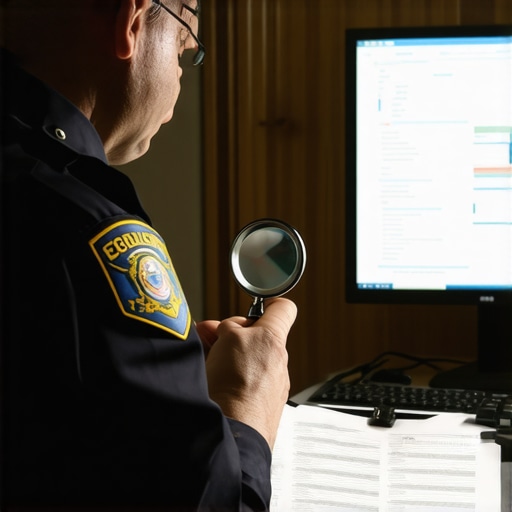
“, “image”: {“imagePrompt”: “A high-contrast, gritty close-up of a legal desk with a scattered police report, a pair of glasses, and a steaming cup of dark coffee in a dimly lit office, focus on the ‘Narrative’ section of the report with red ink circling a mistake.”, “imageTitle”: “The Attorney Desk and the Flawed Report”, “imageAlt”: “A close-up of a police report with errors being reviewed by a lawyer with coffee.”}, “categoryId”: 1, “postTime”: “”}