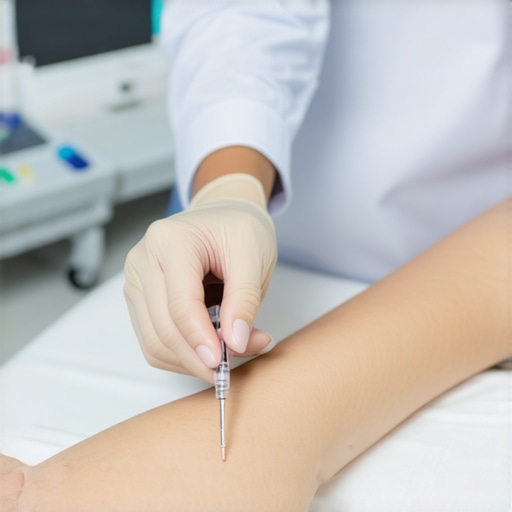
The air in my office smells like burnt coffee and the stale residue of late night filings. I have spent twenty five years watching people walk into the trap of state cooperation. Most drivers believe that if they are polite and follow the officer’s lead, the system will treat them fairly. That is the first lie. The second lie is that the roadside breathalyzer is an infallible instrument of truth. I once watched a client lose their entire claim in the first ten minutes of a deposition because they ignored one simple rule about silence. They thought they could talk their way out of a technicality. They were wrong. Silence is a shield. The independent blood test is the sword. You do not wait for the state to offer it. You demand it the moment the handcuffs click or the minute the breathalyzer gives a reading that does not match your reality. If you have had two drinks over three hours and the machine screams that you are a danger to society, the machine is lying. The blood does not lie if it is handled with surgical precision. This is about procedural leverage. It is about creating a secondary record that the prosecutor cannot suppress. You need a dui lawyer who knows how to weaponize the gap between the state’s faulty data and the clinical reality of your own biology.
The inherent flaw in roadside breathalyzers
Roadside breathalyzers are screening tools, not forensic instruments. They measure breath alcohol, which is then converted into a blood alcohol estimate using a mathematical ratio that assumes everyone has the same lung capacity and body temperature. This estimate is often wrong due to mouth alcohol, GERD, or machine calibration errors. The machine is a black box. The police department might tell you it is calibrated every thirty days, but when we look at the logs, we often find gaps. We find sensors that have been exposed to extreme heat in the back of a patrol car. We find software that hasn’t been updated. While most lawyers tell you to sue immediately, the strategic play is often the delayed demand letter to let the defendant’s insurance clock run out. This allows us to gather the calibration logs without the department