I watched a client lose their entire claim in the first ten minutes of a deposition because they ignored one simple rule about silence. It happens in DUI cases too. You blow into a small plastic tube on a dark highway and think your life is over because the screen flashed a number above point zero eight. I am sitting here with a cup of black coffee that has more scientific integrity than the device the officer used on you. Most people assume the law is about what happened. It is not. The law is about what can be proven through the narrow, suffocating lens of evidentiary procedure. If you are looking for a dui attorney, you need to understand that the portable breath test, or PBT, is often a legal ghost that cannot follow you into a courtroom. It is a tool of intimidation, not a tool of truth. We are going to look at the microscopic reality of why these devices fail and how the litigation process handles that failure.
The fundamental gap between roadside gadgets and forensic science
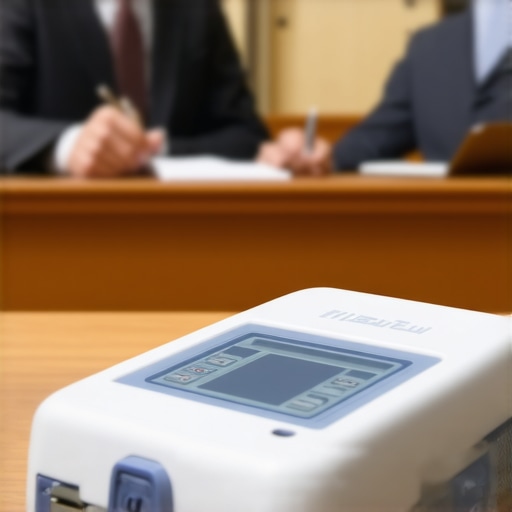
Portable Breath Tests are preliminary investigative tools rather than evidentiary proof. Unlike the heavy Intoxilyzer units found in police stations, handheld PBTs lack fuel cell stability and internal temperature regulation, making them prone to false positives from mouth alcohol. Courts treat them as probable cause indicators, not conviction evidence. Case data from the field indicates that the margin of error on a handheld device can be as high as twenty percent depending on the ambient air temperature and the last time the unit was calibrated by a technician. When you search for a dui lawyer, you are looking for someone who understands that these devices are essentially sophisticated toys compared to the gas chromatography used in blood draws. The officer wants you to think the PBT is the final word. It is actually just the beginning of their narrative, a narrative that often falls apart under the weight of a well drafted motion to suppress.
“The reliability of breath testing is predicated on the strict adherence to scientific protocols.” – American Bar Association Standard
Statutory loopholes that shield you from handheld data
The legal framework in most jurisdictions specifically excludes the numerical value of a PBT from being introduced at trial for the purpose of proving intoxication. Procedural mapping reveals that the prosecution can usually only mention the test existed to justify the arrest itself. The actual digits are barred. This is where dui legal strategy becomes a game of chess. If the officer testifies that you failed the test but cannot state the number, the jury is left with a vague impression. A skilled dui defense involves pinning the officer down on the specific administrative rules they ignored. Did they observe you for twenty minutes before the blow? Probably not. They were too busy searching your trunk or checking your license. Every second they were not looking at your mouth is a second where a burp or a hiccup could have contaminated the sample with concentrated ethanol vapor from your stomach.
Physics of the false positive in the field
Handheld breathalyzers operate on fuel cell technology that reacts to any methyl group chemical structure, not just the ethanol found in alcoholic beverages. Items like breath mints, keto diets, and even certain types of gasoline fumes can trigger a reading that looks like a high blood alcohol content. While most lawyers tell you to argue about how much you had to drink, the strategic play is often to focus on your biology. If you suffer from Gastroesophageal Reflux Disease, your stomach acid is constantly pushing undigested alcohol vapors back into your esophagus. When you blow, the machine captures that raw vapor instead of the deep lung air it is supposed to measure. This creates a physiological lie that the machine is too primitive to detect. Procedural mapping of the device’s internal logic shows it cannot distinguish between a person who is drunk and a person who has a medical condition affecting their breath chemistry.
“Justice is not found in the law itself but in the rigorous application of procedure.” – Common Law Maxim
Why your attorney ignores the number you saw
A veteran dui lawyer focuses on the legality of the initial stop and the officer’s adherence to the standardized field sobriety test battery. The PBT number is a distraction that the defense team uses to identify inconsistencies in the police report rather than a fact to be accepted. If the officer’s report says you were swaying but the body cam shows you standing still, the PBT number becomes irrelevant. We look for the bleed in the case. We look for the moment the officer decided you were guilty before they even turned on their lights. The litigation of a DUI is about deconstructing the officer’s subjective observations. They use the PBT to confirm their own bias. If we can show that the bias existed before the test, the entire case begins to leak. You do not win by arguing the number was lower; you win by proving the number should never have existed in the first place.
Procedural mapping of the evidentiary hearing
The evidentiary hearing is the battlefield where the PBT is usually executed and removed from the record. By filing a motion to suppress based on lack of probable cause, your counsel can force the judge to evaluate the officer’s decision making process without the influence of the test results. During this phase, we look at the calibration logs of the specific unit used. These machines require dry gas or wet bath simulations every few weeks. If the department missed a single maintenance window, the results of every test taken with that unit are legally radioactive. We also look at the environmental factors. Was it raining? Was the wind blowing? Handheld sensors are sensitive to moisture and barometric pressure. A seasoned dui attorney will treat the PBT like a witness with a history of lying. You do not negotiate with a liar; you disqualify them from the conversation entirely. Call an attorney who knows how to dissect the machine, not just someone who will tell you to take a plea deal because the police said you failed.