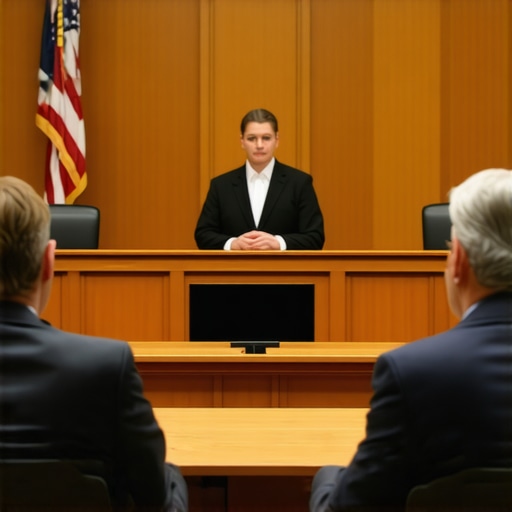
Everyone wants their day in court until they see the jury selection process. It is not about truth. It is about perception. I sat in a courtroom last Tuesday watching a defendant smile at the wrong time. That smile cost him two years of his life. Jurors are not your friends. They are tired. They are hungry. They usually think you are guilty before the first word is spoken. If you think your dui attorney is going to walk in and give a Hollywood speech, you have already lost. The courtroom is a cold room that smells of floor wax and stale air. Success is found in the microscopic failures of the state. It is found in the three seconds the officer forgot to look at his watch during the observation period. It is found in the dust on the breathalyzer sensors. I drink my coffee black because the bitterness reminds me of the legal system. This is the reality of dui defense when the stakes are your freedom.
The brutal truth about jury selection
The DUI jury selection process involves voir dire where a defense attorney and prosecutor screen potential jurors for bias. The goal is to identify individuals who can remain impartial despite the blood alcohol content evidence or police testimony presented during the criminal trial for impaired driving. Most people hate being there. They want to go home. They look at the defendant and see a problem. We look for the one person who has a healthy distrust of authority. We look for the person who has seen a cop lie. If we find them, we have a chance. If we do not, the trial is a slow walk to a conviction. The dui lawyer must use every strike carefully. You do not want the retired schoolteacher who thinks one beer is a crime. You want the person who understands that machines break. Justice is a numbers game played with human lives. You must call an attorney who knows how to read a room, not just a law book.
“Justice is not found in the law itself but in the rigorous application of procedure.” – Common Law Maxim
The technical anatomy of a breathalyzer challenge
The breathalyzer test results in a DUI case are often treated as gospel by the prosecution and law enforcement officers. However, an experienced dui defense attorney knows these intoxilyzer machines require calibration, proper maintenance, and specific ambient temperatures to function correctly within the legal limits of the law. These machines are computers. Computers fail. I have seen logs where the internal temperature of the device fluctuated by three degrees. That is the difference between a 0.07 and a 0.09. That is the difference between going home and losing your license. We zoom in on the source code. We look at the dry gas cylinders used for calibration. If the expiration date is off by one day, the evidence is garbage. Most lawyers are too lazy to check the serial numbers. They just want to settle. That is how you end up with a record. You need someone who treats the machine like a hostile witness. Dui legal strategy is often about the science of failure.
How the prosecution builds a case for impairment
The prosecutor builds a DUI case by stacking circumstantial evidence such as field sobriety tests, officer observations, and driving patterns. They aim to create a narrative of guilt that outweighs the presumption of innocence afforded to the defendant in a court of law. They will talk about your watery eyes. They will talk about the smell of alcohol. They never mention that you were tired. They never mention that the wind was blowing at twenty miles per hour while you tried to stand on one leg. The state wants a clean story. They want the jury to see a monster on the road. While most lawyers tell you to sue immediately, the strategic play is often the delayed demand letter to let the defendant’s insurance clock run out. We wait. We watch the officer stumble over his own notes. The dui attorney must be a predator in this environment. Every small mistake by the state is a weapon for us. This is dui defense at its most clinical level.
“The right to a jury trial is the palladium of liberty.” – Blackstone’s Commentaries
The strategy behind the cross examination of the arresting officer
The cross examination of the arresting officer is the pivotal moment where a dui defense lawyer exposes inconsistencies in the police report. By using leading questions and body camera footage, the attorney can undermine the credibility of the states witness and create reasonable doubt. I do not ask the officer what he saw. I tell him what he did not see. I point out that he did not follow the NHTSA manual. The manual says the ground must be level. The video shows a slope. The manual says the instructions must be clear. The video shows the officer mumbling. This is where the case dies or lives. A dui lawyer who is afraid to offend the police is useless to you. You need a strategist who treats the officer like a faulty piece of equipment. We tear the testimony apart line by line. The dui legal system rewards the aggressive, not the polite. If the officer looks at the jury for help, I have already won.
Why a plea deal is often a surrender
A plea bargain in a DUI case often results in a conviction that carries long term consequences including license suspension and increased insurance rates. While defense attorneys may recommend a plea deal to avoid jail time, it is essentially a voluntary admission of guilt. Settlement mills love these. They get their fee and go home. You are the one who cannot drive to work. You are the one with the criminal record. I look at a plea deal as a last resort for a weak case. If the evidence is flawed, we go to verdict. Litigation is an investment in your future. The skeptical investor looks at the ROI of a trial. Sometimes the cost of losing is the same as the cost of the plea. In those cases, you fight. You call an attorney who is not afraid of a jury. You need a dui defense that actually defends.
The final moments before a verdict is read
The jury verdict represents the final judgment in a DUI trial after both closing arguments and jury instructions have been delivered. This legal outcome is the result of the attorneys ability to manage evidence and persuade the panel of jurors of the defendants innocence. The room goes silent. You can hear the clock on the wall. You can hear the defendant breathing. This is the moment of truth that people think they want. It is a weight that most cannot handle. The jury files in. They do not look at you if you lost. They look at the floor. If they look at the defendant, there is hope. That is the only signal you get. The dui attorney stands there with a straight face. We have done the work. The dui legal process is finished. Whether it was the breathalyzer calibration or the officers bad memory, the decision is now out of our hands. This is the dui defense reality. It is not pretty. It is not fast. It is a grind that requires a stomach for conflict. If you are in this position, do not hire a friend. Hire a strategist.