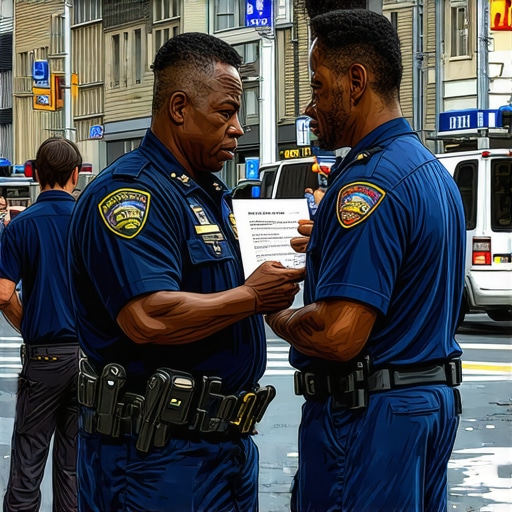
The smell of strong black coffee sits heavy in my office as I review the dashcam footage from your arrest. You think the lack of a Miranda warning is a get out of jail free card. It is not. It is a tactical opening, a crack in the prosecution’s foundation, but it requires a surgeon’s precision to exploit. I watched a client lose their entire claim in the first ten minutes of a deposition because they ignored one simple rule about silence. They believed they could talk the officer into seeing reason. By the time they reached the station, they had already handed the state every piece of evidence needed for a conviction. In the world of dui legal strategy, silence is not just a right; it is the only leverage you have left when the handcuffs click shut. Most people assume that if the officer fails to recite the famous warning, the case evaporates. That is a fantasy sold by television. The reality is far more clinical and far more dangerous.
The myth of the instant dismissal
DUI legal standards do not mandate an automatic drop of charges just because an officer forgot the Miranda rights. Instead, the primary remedy is the suppression of statements made during custodial interrogation. This means your dui defense must prove you were technically in custody and being questioned for the exclusion of evidence to apply. If the police can prove their case using only your blood alcohol content and their own observations of your driving, the lack of a warning might not matter at all. The prosecution will fight to keep the physical evidence while sacrificing your verbal admissions. This is why you need a dui lawyer who understands the mechanical nature of a suppression hearing. We are not looking for an apology from the police; we are looking for a structural failure in their evidence chain. [image_placeholder_1]
“No system of criminal justice can, or should, survive if it comes to depend for its continued effectiveness on the citizens’ abdication through unawareness of their constitutional rights.” – Escobedo v. Illinois
Why your silence is the only weapon left
DUI attorney professionals see the same mistake every night. A driver is pulled over, they are nervous, and they start over-explaining their two beers at dinner. You are not required to provide a narrative for your evening. When the officer asks where you are coming from, they are not making polite conversation. They are gathering sensory data: the smell of alcohol on your breath, the slur in your speech, and the inconsistency in your timeline. By the time the dui defense gets involved, the damage is often done. The dui legal process is designed to extract information from your anxiety. If you have been arrested and were not read your rights, every word you said after the arrest becomes a battleground. But if you spoke before the arrest, those words are usually fair game. The distinction between a voluntary encounter and a custodial one is where cases are won or lost.
The mechanics of custodial interrogation
Custodial interrogation occurs when a reasonable person would not feel free to leave and the police ask questions intended to elicit an incriminating response. In a dui defense context, this usually happens once you are in the back of the squad car. If the officer continues to ask about your drinking habits without reading the Miranda rights, they are violating procedural protocol. However, the dui attorney must demonstrate that the environment was coercive. We look at the lighting, the presence of multiple officers, the display of weapons, and the tone of voice used. It is a forensic autopsy of a conversation. Case data from the field indicates that officers frequently wait until the last possible moment to Mirandize a suspect to maximize the intake of voluntary admissions. This tactical delay is common, and while most lawyers tell you to sue immediately, the strategic play is often the delayed demand for discovery to see exactly when the officer claims the arrest occurred.
“Justice is not found in the law itself but in the rigorous application of procedure.” – Common Law Maxim
What the defense lawyer needs from the dashcam
Call an attorney the moment you are processed because the shelf life of digital evidence is shorter than you think. The dashcam and bodycam footage provide the only objective record of whether you were informed of your rights. A dui attorney will scrutinize the audio to find the exact second the officer shifted from a welfare check to a criminal investigation. We look for the click of the handcuffs and the closing of the cruiser door. If the audio cuts out or the video is grainy, we move to impeach the officer’s credibility. Procedural mapping reveals that many small-town departments have lax habits regarding the timing of these warnings. If we can prove the officer was coached or that the report contradicts the video, the dui defense gains significant ground. The goal is to make the prosecution’s star witness look either incompetent or dishonest. In a courtroom, perception of the officer’s process is just as important as the breathalyzer result.
The weight of a motion to suppress evidence
DUI defense motions to suppress are the heavy artillery of criminal litigation. If the judge agrees that your Miranda rights were violated, any confession or incriminating statement you made is tossed out. This is known as the fruit of the poisonous tree. If the only reason the police found the open container in your trunk was because of an un-Mirandized confession, that physical evidence might be suppressed too. This is the ROI of high-stakes litigation. It is not about being a nice person; it is about the state failing to follow its own rules. While the general public thinks these are loopholes, a dui lawyer knows they are the only things standing between a citizen and the unlimited power of the state. The prosecution hates these motions because they force a trial on the facts rather than a trial on a forced confession. We are looking for the one clause, the one procedural lapse, that changes the trajectory of the sentencing. If the state cannot use your words, they have to rely on their machines, and machines can be calibrated, questioned, and defeated. [image_placeholder_2]”