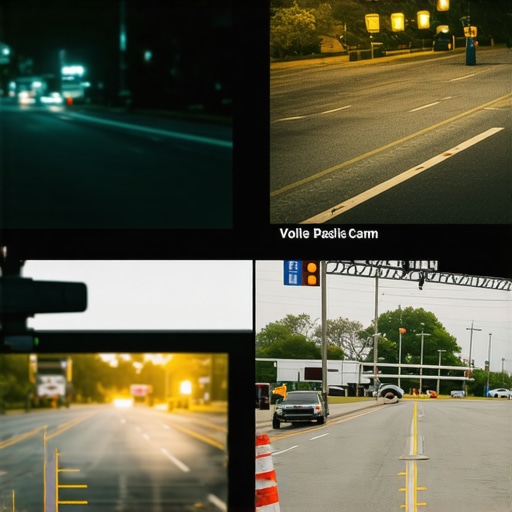
I watched a client lose their entire claim in the first ten minutes of a recorded stop because they ignored one simple rule about silence. We were reviewing the dashcam footage for a high-stakes dui defense when I saw the defendant begin explaining their evening to the dashboard. The officer was not even near the window yet. That nervous chatter, captured in high-definition audio, provided the prosecution with the probable cause they lacked. In my twenty-five years as a dui lawyer, I have seen more cases won or lost on the technical metadata of a video file than on the actual driving performance of the accused. The camera is not a neutral observer. It is a fixed-angle witness with a specific agenda. To win, we must treat the video as a hostile witness that needs to be impeached through forensic scrutiny. Law enforcement agencies rely on your belief that the camera never lies, but as a trial attorney, I know that the camera is a master of omission and optical illusion.
The optical deception of wide angle lenses
A dui defense requires an understanding that police dashcam video uses wide-angle lenses which distort depth perception and lateral movement. These optical artifacts make a vehicle appear to be weaving more aggressively than it is in reality. A dui attorney uses these technical inconsistencies to challenge reasonable suspicion. Procedural mapping reveals that the curvature of the lens at the edges of the frame creates a fish-eye effect. When a vehicle is positioned near the periphery of the frame, its movement is exaggerated. We look at the distance between the tire and the fog line. If the lens is a standard 170-degree wide-angle, the pixel-to-inch ratio changes as the car moves across the field of vision. We bring in forensic videographers to calculate the exact degree of barrel distortion. This is not about being difficult; it is about the physics of light. If the officer claims you crossed a line but the video shows the car near a distorted edge of the frame, that evidence is scientifically compromised. While most lawyers tell you to sue immediately, the strategic play is often the delayed demand for the raw, uncompressed video files to check for metadata alterations.
“Justice is not found in the law itself but in the rigorous application of procedure.” – Common Law Maxim
Where the audio and video lose synchronization
The audio track on a police recording often undergoes digital compression that differs from the video stream, leading to sync lag. This technical failure allows a dui lawyer to argue that the recorded evidence is an inaccurate representation of the field sobriety tests. Case data from the field indicates that a lag of even 200 milliseconds can make a driver appear to be delayed in their responses. When an officer asks a question and the driver responds, the sync must be perfect. If the audio is late, the driver looks impaired. We look for the moment the cruiser door slams. If the sound of the slam does not match the visual of the door hitting the frame, the entire recording is suspect. We demand the original proprietary format, not a converted MP4. A conversion can strip the timestamp data or shift the audio offset. An experienced dui attorney knows that the digital buffer in a patrol car is prone to heat-related errors. When the hardware runs hot in a summer night stop, the frames per second can drop, creating a jerky motion that looks like a lack of physical coordination.
Shadows and the false narrative of physical impairment
Low light conditions and infrared sensors on a dashcam create dynamic range issues that hide physical stability while highlighting erratic shadows. In dui legal proceedings, these visual artifacts are frequently used by the prosecution to claim the defendant was swaying during roadside testing. This is where the forensic psychology of the jury comes into play. The human eye wants to see patterns. If the officer’s headlights are flickering or if there is a secondary light source from a passing car, it creates a strobe effect. This effect makes a perfectly stationary person look like they are oscillating. We calculate the refresh rate of the LED light bars on the police vehicle. If that rate interferes with the camera shutter speed, you get a rolling shutter effect. This makes the driver’s legs look like they are trembling. It is a mechanical lie. We use these data points to show the jury that what they think they see is actually a limitation of the hardware. You must call an attorney who understands the difference between a CMOS sensor and a CCD sensor because that distinction can be the difference between a conviction and a dismissal.
Digital timestamps and the chain of custody gaps
The internal clock of a police camera system serves as the evidentiary anchor for the entire traffic stop. Any discrepancy in timestamps between the dashcam, the bodycam, and the dispatch log constitutes a procedural breach that a dui attorney exploits. If the dashcam says the stop began at 02:04:15 but the dispatch log says the officer called it in at 02:06:00, there are nearly two minutes of missing reality. Where is that footage? Why was the camera not triggered? Modern systems are supposed to record thirty seconds of “pre-event” footage. If that pre-event footage is missing, we file a motion for spoliation of evidence. The law requires the state to preserve all potentially exculpatory evidence. If they failed to maintain the digital integrity of the file, we ask the judge for an adverse inference instruction. This tells the jury they can assume the missing footage would have helped the defense. This is the grit of litigation. It is not about the grand speech; it is about the one-second gap in the file metadata that proves the officer is hiding the initial encounter.
“The right of the people to be secure in their persons, houses, papers, and effects, against unreasonable searches and seizures, shall not be violated.” – U.S. Constitution, Fourth Amendment
Technical calibration of the patrol car radar and sensors
The patrol car’s telemetry data is often embedded into the video feed, showing the officer’s speed and braking patterns. If the dui lawyer finds that the on-screen data does not match the visual environment, the entire police report loses its legal authority. For instance, if the telemetry shows the officer is traveling at 45 miles per hour but the video shows them rapidly overtaking a car going the speed limit, the calibration is off. This suggests the radar or the GPS integration is faulty. If the speedometer is wrong, why should we trust the officer’s estimation of your speed? We look at the frame rate and use fixed objects like utility poles to calculate the actual speed of both vehicles. If our calculations show the officer was speeding to catch up without lights or sirens, we challenge the legality of the pursuit. We look for the