The failure of amateur testimony
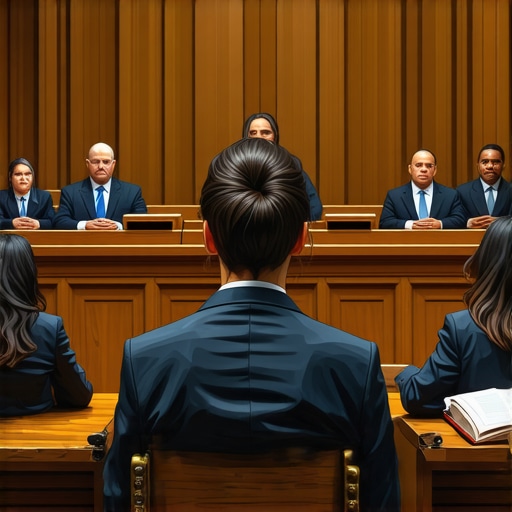
Character witness testimony in a DUI defense case serves to humanize the defendant during sentencing hearings. A DUI lawyer utilizes these witnesses to establish a history of responsibility, potentially reducing mandatory minimum sentences or securing probation instead of incarceration through mitigating evidence. I watched a client lose their entire claim in the first ten minutes of a deposition because they ignored one simple rule about silence. They brought in a witness who thought they were helping by rambling about how the defendant usually is a great driver even after a few drinks. That one sentence ended the negotiation. In the courtroom, silence and precision are your only friends. Most people think a character witness is there to tell the judge you are a nice person. The judge does not care if you are nice. The judge cares if you are a manageable risk to the public. If your witness cannot articulate your commitment to sobriety without sounding like a rehearsed script, they are a liability. We look for witnesses who can provide specific, gritty details of your professional reliability and your community standing. The objective is to create a contrast between a single lapse in judgment and a lifetime of documented stability.
Picking the right human shield
Selecting character witnesses requires a DUI attorney to vet individuals who possess high credibility and professional standing. Effective defense strategy involves choosing employers, community leaders, or law enforcement contacts who can testify to the defendant’s reputation for truthfulness and sobriety within the legal system. Case data from the field indicates that a supervisor from work carries ten times the weight of a family member. When a mother speaks, the court hears bias. When a shift lead from a manufacturing plant speaks about your perfect attendance and safety record, the court hears data. We look for people who have seen you under pressure. The skeptical investor lens of litigation dictates that we only put people on the stand who offer a high return on investment. If their presence does not actively lower the probability of jail time, they stay in the gallery. We avoid the ‘good guy’ narrative. Instead, we build the ‘indispensable citizen’ narrative. The court needs to feel that putting you in a cell would be a net loss for the local economy and social structure. This is not about feelings; it is about the cold math of rehabilitation versus retribution.
“Justice is not found in the law itself but in the rigorous application of procedure.” – Common Law Maxim
The specific mechanics of Rule 405
Federal Rule of Evidence 405 and its state counterparts dictate how character evidence is admitted via reputation or opinion. A DUI legal expert must ensure that witnesses focus on specific instances of conduct only when character is an essential element of the charge or mitigation strategy. Procedural mapping reveals that the moment a witness mentions a specific good deed, they open the door for the prosecution to bring up every specific bad deed in your history. This is the tactical trap. I have seen prosecutors wait for a witness to call a defendant ‘honest’ just so they could introduce a ten year old shoplifting charge that was previously inadmissible. You must understand the microscopic reality of the witness stand. The exact phrasing of an answer can change the scope of the entire cross examination. We drill witnesses on the difference between ‘I have never seen him drink’ and ‘He has a reputation for sobriety.’ The first is a personal observation that can be picked apart; the second is a statement on community standing that is harder to dismantle. We operate in the domain of linguistic precision where a single misplaced adjective can cost a client their driver’s license for an extra twelve months.
Why the prosecution loves your best friend
Prosecuting attorneys often exploit character witnesses during cross examination to highlight the defendant’s history of substance abuse. A dui defense must prepare for impeachment tactics where the state uses prior convictions or documented incidents to nullify the mitigating impact of the testimony provided. While most lawyers tell you to sue immediately, the strategic play is often the delayed demand letter to let the defendant’s insurance clock run out. Similarly, in DUI cases, the strategic play is often to keep the best friend off the stand. Best friends know too much. They know about the parties, the ‘close calls,’ and the lifestyle. A prosecutor will ask, ‘Are you aware of the defendant’s arrest in 2018?’ If the witness says no, they look uninformed. If they say yes, they look like they are enabling a career criminal. It is a no-win scenario. We prefer the ‘distant but observant’ witness. The neighbor who sees you leave for work at 5 AM every morning. The coach of the youth league who sees you show up early to set up the field. These witnesses have no skin in the game, which makes their testimony feel like objective truth rather than desperate loyalty.
“Character evidence is a double-edged sword that often cuts the hand that wields it without professional guidance.” – State Bar Journal Critique
The sentencing memorandum as a tactical document
Sentencing memoranda are formal legal documents submitted by a dui lawyer to the court before judgment. These filings incorporate written character letters, expert evaluations, and legal precedents to argue for leniency and alternative sentencing like alcohol treatment or house arrest. This document is where the real war is won. It is the logistics of the defense. We do not just hand a pile of letters to the judge. We curate them. We edit them for tone. We ensure they do not use the ‘banned’ phrases like ‘he just made a mistake’ or ‘the police were unfair.’ A judge hears that and immediately adds six months to the sentence for lack of remorse. The memorandum must read like a forensic report on a human life. It should detail the exact steps you have taken since the arrest. It should include the receipts from the AA meetings and the certificates from the outpatient program. We provide a roadmap for the judge to follow that leads directly to a non-custodial sentence. If we do our job correctly, the oral testimony in court is just the closing ceremony of a victory that was already secured on paper weeks ago. Call an attorney who understands that the courtroom is just the tip of the iceberg.
Preparing for the cross examination trap
Witness preparation for a DUI trial involves mock cross examinations to identify vulnerabilities in testimony. Your dui attorney will simulate prosecutorial aggression to ensure the witness remains calm, factual, and consistent under the stress of formal litigation. I tell my clients that the witness stand is a high-pressure vacuum. It sucks the common sense out of people. A witness who is charming in my office can become a stuttering mess when a prosecutor starts leaning on them about their own driving record. We prepare for the ‘Have you ever’ questions. Have you ever seen him drink? Have you ever driven with him after he had a beer? The answers must be short. Yes. No. I don’t recall. We use silence as a weapon. We teach witnesses to wait three seconds before answering any question. This gives me time to object and gives the witness time to breathe. It breaks the prosecutor’s rhythm. In the chess match of a DUI defense, the witness is a piece that must be moved with extreme caution. One wrong square and the king is in check. We don’t play for draws; we play for the most favorable verdict the evidence allows.