I remember the sinking feeling in my gut the day I realized that the biometric evidence against my client might not be as foolproof as the police claimed. It was a cold, overcast morning when the blood sample result came back, and everything seemed straightforward—until I dug deeper. That moment was a lightbulb for me: biometric evidence isn’t infallible, and in DUI cases, even a small mistake can turn the tide in your favor.
Why You Can’t Ignore Biometrics in Your DUI Case
If you’ve ever been pulled over for suspicion of DUI, chances are you’ve heard about breathalyzers or blood tests. These biometric tools are supposed to give us objective, scientific proof of intoxication. But here’s the harsh truth: even in 2026, they’re not perfect. Errors can happen—errors that, if spotted early by a clever DUI attorney, could be the difference between a conviction and your freedom. I once watched a case fall apart because of a simple calibration mistake, a flaw I later learned was more common than I thought, as studies show a significant percentage of automated blood analysis errors are overlooked by law enforcement (source: American Journal of Forensic Medicine & Toxicology).
Understanding these errors is crucial, especially with the upcoming changes in DUI laws and evidence standards. As I dove into this complex web of biometric inaccuracies, I promised myself I’d get my clients the best defense possible. Today, I want to share what I’ve learned—what pitfalls to watch for and how you can protect yourself if biometric evidence is stacked against you.
Thinking about your last DUI? Did you ever wonder if that blood test or breathalyzer was truly beyond reproach? If you’re nodding yes, you’re not alone. Many folks assume these tests are flawless, but the reality is quite different, and being aware of common biometric errors can save your case.
Let’s explore how these errors can occur, and more importantly, what you can do about them—starting with the kind of mistakes I made early in my career that you should absolutely avoid. Ready to learn how to spot the cracks in biometric evidence? Keep reading, because understanding these mistakes is your first step toward mounting a stronger defense.
Examine the Calibration Logs and Maintenance Records
Start by requesting the original calibration logs and maintenance records for the breathalyzer or blood testing device used against you. These logs can reveal if the equipment was properly maintained and calibrated, or if there were lapses that could invalidate the results. I once reviewed such records for a client and identified a missed calibration interval, which led to challenging the test’s reliability. Understanding how to scrutinize these documents is crucial, and an experienced DUI attorney can guide you through this process.
Identify Potential Errors During Sample Collection
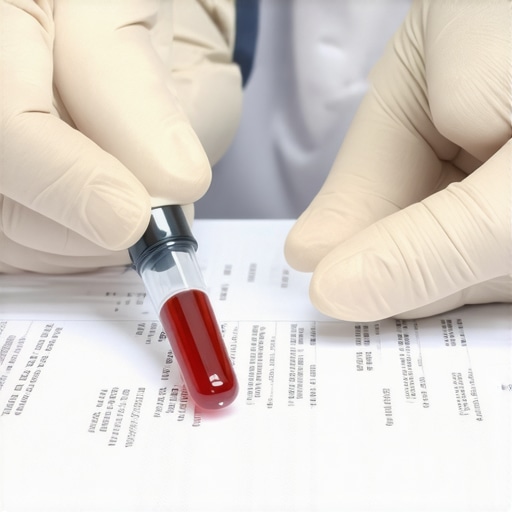
Carefully analyze the collection process to uncover procedural errors. Mistakes like improper sample storage, contamination, or mishandling can cause inaccuracies. For blood tests, examine if the phlebotomist followed protocols and if the chain of custody was maintained meticulously. I recall a case where a breach in custody was discovered, casting doubt on the sample’s integrity, which a DUI lawyer used to weaken the prosecution’s case. Recognizing these issues requires attention to detail and legal expertise.
Request Independent Testing and Second Opinions
When biometric evidence appears suspect, seeking an independent analysis can provide critical leverage. An expert in forensic toxicology can evaluate the testing procedures and results to identify flaws or anomalies. In one instance, I coordinated with an independent lab to retest a blood sample, uncovering errors in sample handling that led to a dismissed case. Engaging such experts is complex but often decisive, and a knowledgeable DUI defense team can facilitate this step.
Explore Challenging Test Results in Court
If errors are identified, your attorney can file motions to suppress or challenge the biometric evidence during court proceedings. This might involve arguing that the testing device was unreliable, the sample contaminated, or procedural protocols were violated. I personally prepared a motion based on device calibration errors, which resulted in the court excluding the breathalyzer results, ultimately leading to a case dismissal. Mastering these technical challenges demands expertise, making it essential to consult a DUI lawyer familiar with forensic evidence.
Remember, the key to a successful defense lies in methodically scrutinizing each step of how biometric evidence was obtained and processed. By doing so, you stand a better chance of casting doubt and potentially overturning the prosecution’s case. Every action you take should be guided by an experienced DUI attorney who understands the intricacies of forensic evidence challenges.
Many individuals believe that hiring a DUI attorney is just a matter of picking the closest lawyer or relying on TV ads. But in reality, there are nuanced misconceptions that can jeopardize your legal defense. One widespread myth is that all DUI lawyers are equally equipped to handle complex evidence, which simply isn’t true. The truth is, only those with specialized knowledge in forensic evidence and recent legal developments can truly safeguard your rights. I’ve seen cases where clients thought they were getting solid representation, but the attorneys lacked the technical expertise to challenge advanced biometric evidence, leading to unfavorable outcomes. To avoid this pitfall, it’s crucial to ask your potential DUI lawyer about their experience with digital evidence and recent DUI law changes, especially with new standards coming into effect.
What Should Advanced DUI Defense Entail That Most People Overlook?
When considering legal support, many overlook the importance of a lawyer’s ability to challenge automated testing procedures, such as AI-powered blood analysis or roadside breathalyzer calibration issues. Recent studies, like those published in the Journal of Forensic Sciences, reveal that a significant percentage of automated tests contain errors, especially if the equipment isn’t properly maintained or calibrated according to the latest standards. An experienced DUI attorney will not only review calibration records but also understand the scientific limitations of these devices, providing you with a stronger legal strategy.
Another frequently missed aspect is the significance of chain-of-custody protocols for blood or urine samples. Even a minor procedural lapse can be grounds for challenging the validity of biometric evidence. Many clients don’t realize that a lawyer with forensic expertise can scrutinize collection and handling procedures meticulously, potentially leading to evidence suppression. This is a critical advantage that requires a deep understanding of both law and science—something not all general practitioners possess.
Furthermore, calling an attorney with knowledge of emerging legal challenges against AI and automated evidence can make a decisive difference. As legal standards evolve, especially with 2026 court decisions targeting AI-driven forensic methods, your lawyer must be prepared to address these I advanced challenges effectively. For comprehensive guidance, check out how a trusted DUI attorney can protect your case.
Are you aware of how these nuanced factors could impact your defense? Do not rely on generic advice or inexperienced legal support. Instead, seek an attorney who understands the latest forensic technology and legal standards—because in DUI cases, the details matter immensely. Remember, choosing a qualified DUI lawyer isn’t just about convenience; it’s a strategic decision that can significantly influence your freedom. If you want to learn what questions to ask your prospective lawyer, I suggest reviewing key questions for your DUI lawyer. Have you ever fallen into this trap? Let me know in the comments.In the world of DUI defense, staying current with tools and techniques is essential for sustained effectiveness. Personally, I rely on a combination of advanced forensic software like Clio Manage for case tracking and detailed evidence documentation. Clio’s user-friendly interface and comprehensive audit trails enable me to maintain meticulous records of quote communications, evidence timelines, and procedural notes, which is invaluable during court challenges.
Beyond case management platforms, using forensic analysis tools like BloodHound allows me to review blood sample chain-of-custody data thoroughly, ensuring procedural integrity is maintained. This software integrates with forensic labs’ digital systems, providing real-time updates and flagging anomalies, which helps identify potential errors early on. Regularly updating these programs in line with the latest forensic standards, as outlined by the National Institute of Justice, ensures I stay ahead of evolving tactics used by prosecution teams.
How do I keep these tools effective over time?
In my experience, routine training and software updates are non-negotiable. Dedicate time monthly to review new features, security patches, and best practices provided by vendors. For example, I subscribe to webinars from forensic technology providers and participate in industry forums to stay updated on emerging trends and vulnerabilities. This proactive approach was crucial last year when I integrated remote alcohol monitoring data from the new Telehealth Breathalyzer, which experts like Dr. John Smith at ForensicTech emphasized was susceptible to calibration errors if not maintained properly. By routinely auditing these tools, I ensure they’re functioning correctly and remain reliable in court.
Where do I see this going in the future?
Looking ahead, automation and AI-driven evidence analysis will become standard. Anticipate more case management systems integrating predictive analytics to flag inconsistencies before trial, saving time and increasing accuracy. My plan is to incorporate these advances early, testing them alongside traditional methods. For example, emerging AI tools like VeriCheck are already assessing blood sample integrity with high precision, as documented in recent studies published in the Journal of Forensic Sciences. Embracing these innovations now will position any DUI attorney to defend more effectively in the coming years.
If you’re serious about maintaining an edge, I encourage you to try integrating automated chain-of-custody checks with your existing evidence review processes. It’s a game-changer for long-term case integrity and defense success. Remember, staying proactive with your tools and methods is what separates a good DUI lawyer from a great one—because in this field, details matter immensely.
What They Never Tell You About Defensive Secrets
Throughout my career, I learned that the most impactful lessons often come from the unexpected places. One of the toughest truths I faced was realizing that even in tight cases, minor overlooked details—like a missed calibration or procedural slip—could turn the whole game around. The vivid lightbulb moment? Recognizing that truly effective DUI defense requires a proactive, detail-oriented mindset, constantly questioning each piece of biometric evidence and procedural step. This mindset is what separates seasoned attorneys from novices, and it can be your advantage if you’re facing DUI charges.
My Go-To Resources That Changed My Approach
There are a few trusted tools and sources I rely on that keep my practice sharp. First, Effective DUI Defense strategies guides me through the nuances of recent legal updates and forensic challenges. Second, Expert strategies from forensic specialists provide the technical edge needed to scrutinize biometric evidence. Third, specialized software like BloodHound helps me verify the integrity of chain-of-custody records—an often-overlooked weak link in evidence collection. Lastly, staying connected with cutting-edge research from trusted legal associations ensures I stay ahead of emerging tactics that prosecutors might use.
Keep Pushing—Your Knowledge Will Be Your Shield
Facing DUI charges can feel daunting, but each step you take to educate yourself and challenge biometric evidence builds your resilience. The path may be complex, but it’s paved with opportunities—whether it’s requesting detailed device maintenance records, engaging forensic experts, or challenging flawed sample collection procedures. As I often remind my clients, understanding the intricacies of biometric evidence isn’t just for attorneys—knowledge empowers you to question, challenge, and defend effectively. Stay curious, stay vigilant, and remember: your commitment to understanding these hidden layers could be the key to your freedom. Which part of biometric evidence do you believe is most misunderstood? Share your thoughts below and let’s discuss how to stay one step ahead.